
December 12, 2026 · T-Mobile Arena · Las Vegas
UFC 335: Oliveira vs. Lopes
Paramount+ · Main card 9:00 PM ET · Eleven active bouts
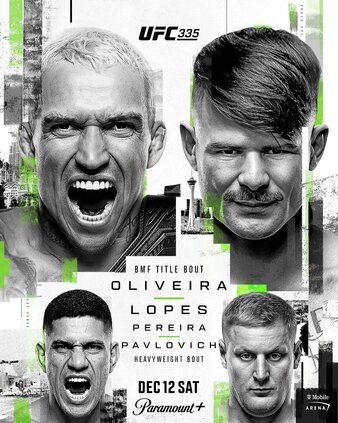
Main event
Charles Oliveira vs Diego Lopes
Lightweight · 5 rounds
How to read these filters
Market differences are not a ranking of best bets. Conviction is editorial; a close matchup does not automatically mean poor data.
Fights shown: 13/13 · Analyses available: 11/13
Main Card
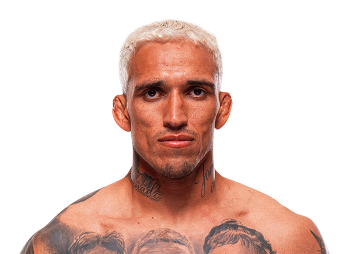
Charles Oliveira
37-11-0
Editorial estimate
Market implies 58% · 42%
Updated · Nov 25

Diego Lopes
28-8-0
Tactical key
The BMF title fight is scheduled for five rounds at lightweight. Oliveira can connect pressure, clinch work and submissions; Lopes can punish an overextended entry and attack the scramble himself. The key is who remains positionally sound after the first threat is defended.
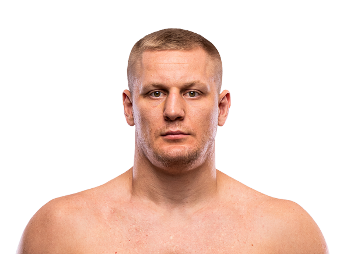
Sergei Pavlovich
21-3-0
Editorial estimate
Market implies 64% · 36%
Updated · Nov 25
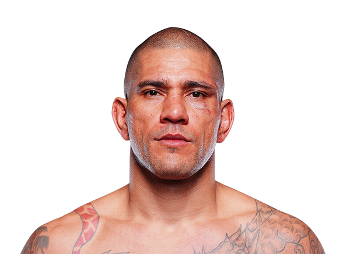
Alex Pereira
13-4-0
Tactical key
Pavlovich can reach Pereira before Pereira reaches him, but must avoid turning a long attack into a square recovery. Pereira needs to make the larger punching frame reset through timing and lower-body attacks rather than accepting repeated straight exchanges.
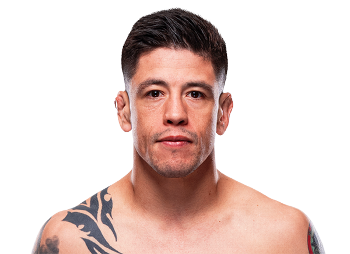
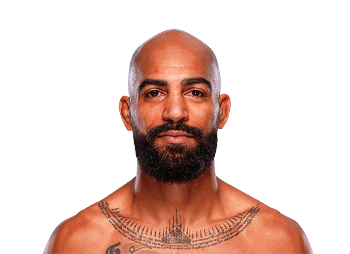
Tactical key
Moreno's route combines pressure, timing changes and selective wrestling. Johnson needs enough space to maintain his striking rhythm and make Moreno's entries expensive. Their opposite results against Kavanagh are context, not a transitive prediction.
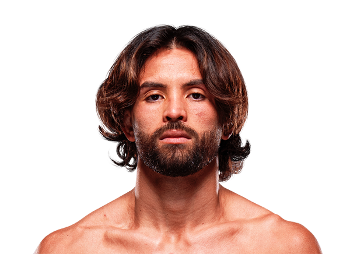
Editorial estimate

Tactical key
Phillips's path is the takedown and the first round. Ewing's path is getting up and out-working him in the second and third, which is how he won both UFC fights. The first takedown that holds, or fails to, tells you which fight it is.


Tactical key
Reach and height are close to even, so the contrast is timing. Pinas finishes early and gets hit while he does it. Susurkaev gets better as the fight goes on but has to cross the range where Pinas lands to start his grappling.
Prelims
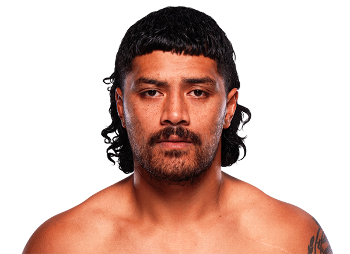
Tactical key
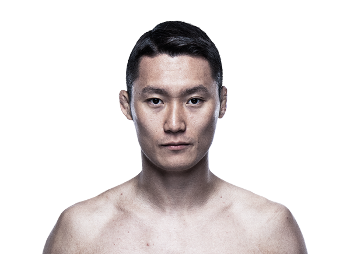
Both men win by knockout, so the first clean connection decides more than any long exchange of rounds. Tafa wants the opening minutes spent at the end of his kicks, where his longer professional résumé can show. Pasley, longer in height and reach, wants to land first inside the opening round, the window where every one of his wins has ended.
Tactical key
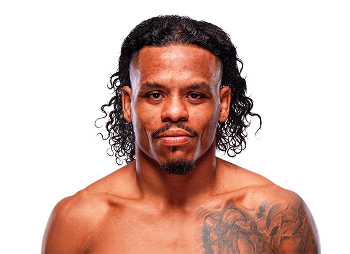
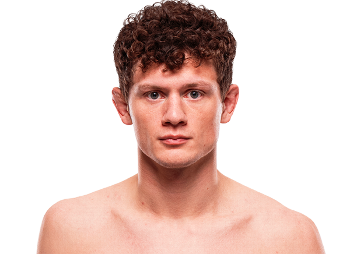
Hooper needs the back, and Padilla's takedown defence is the wall in front of it. If Padilla keeps the fight standing, his higher striking pace can bank three rounds. The fight flips on the first scramble: a missed shot or a stuffed entry that ends with Hooper behind him turns a striking contest into a submission hunt.

Tactical key
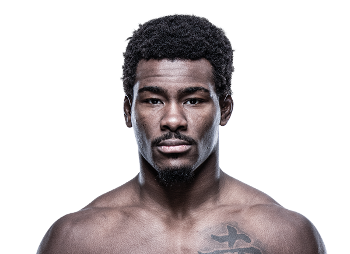
Humphrey's best work starts with a level change: slams, ground strikes and a back take before his opponent can stand. Veretennikov loses control of fights once he is put down and held, but punishes failed entries with a guillotine and heavy right hands on the fence. If the debutant's early takedowns land, the fight tilts quickly; if they are stuffed, the veteran's experience takes over late.
Tactical key
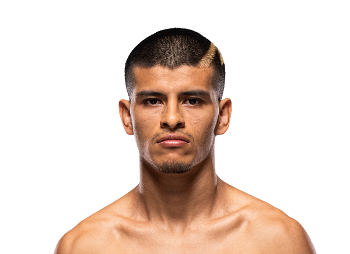
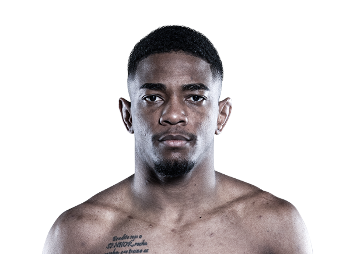
Both flyweights hunt finishes early, and each has been stopped once by a cleaner boxer. Conceição has the wider toolkit: a Rojas flurry that ends in a scramble can become a back take or a triangle. Rojas flips the fight by keeping it upright, investing in the body and finishing exchanges with his head off the centre line instead of leaning in.
Editorial estimate
Tactical key
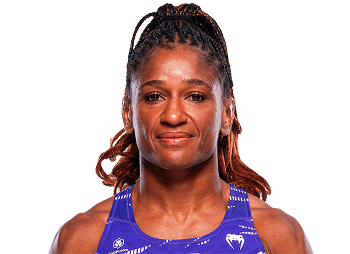
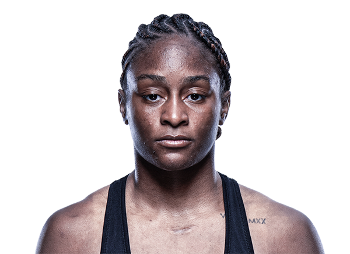
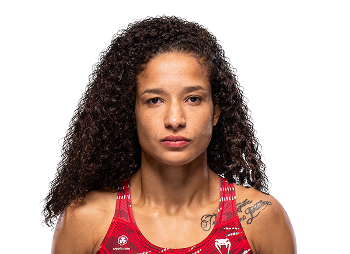
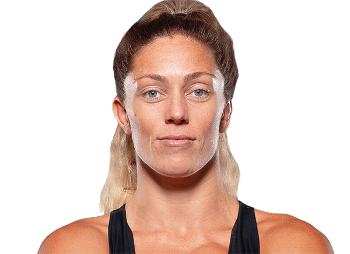
This is a stand-up fight between two Muay Thai strikers, and neither is likely to win it by wrestling. Hill wants long scoring exchanges at range, where her jab, body kicks and experience pile up over fifteen minutes. Dyer's right hand and clinch knees turn short exchanges into finishes, so the fight flips if Hill is pinned on the fence and absorbing combinations late in rounds.
Tactical key
Cavalcanti wins the standing minutes with volume and low kicks, and opponents have rarely held her down. Montague wins rounds from top position and has done it for most of her UFC time. The first takedown attempt of each round decides which of those fights the judges see.
Cancelled
Announced fight card
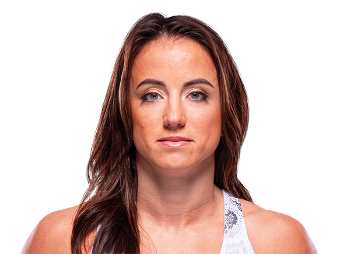
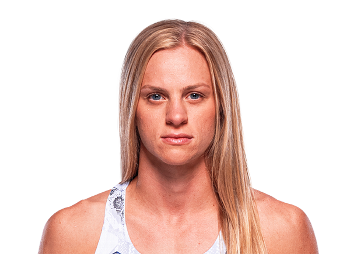
Eleven bouts are active. The main card is Charles Oliveira vs. Diego Lopes for the BMF belt (lightweight, 5 rounds), Sergei Pavlovich vs. Alex Pereira (heavyweight, 5 rounds), Brandon Moreno vs. Charles Johnson (flyweight, 3 rounds), Kyler Phillips vs. Ethyn Ewing (bantamweight, 3 rounds) and Baisangur Susurkaev vs. Damian Pinas (middleweight, 3 rounds). The prelims are Junior Tafa vs. Quentin Pasley at light heavyweight, Chris Padilla vs. Chase Hooper at lightweight, Nikolay Veretennikov vs. Ronald Humphrey at welterweight, Nilson Rojas vs. Roque Conceição at flyweight, Angela Hill vs. Shanelle Dyer at women's strawweight, and Jacqueline Cavalcanti vs. Michelle Montague at women's bantamweight. Maycee Barber vs. Carli Judice is off the card. Joe Pyfer vs. Bo Nickal has been rescheduled and is no longer on this card. The card remains subject to change.
Two five-round fights, different questions
Oliveira (37-11) and Lopes (28-8) meet at lightweight for the BMF belt. The matchup invites a close look at their transitions: who can attack without offering a counter or conceding position? The heavyweight co-main pairs Pavlovich (21-3) with Pereira (13-4) over five rounds, making distance management and sustained pace central questions. BetOnline has Oliveira −149 / Lopes +127 and Pavlovich −200 / Pereira +169.
Moreno (24-10-2) faces Johnson (20-9) at flyweight. Phillips (12-5) meets Ewing (10-2) at bantamweight, and Susurkaev (12-0) meets Pinas (11-1) at middleweight. Tafa (7-6) meets Pasley (4-0) at light heavyweight, and Padilla (18-6-1) meets Hooper (17-5-1) at lightweight. The rest of the prelims are Veretennikov (14-8) vs. Humphrey (5-0), Rojas (9-1) vs. Conceição (12-3), Hill (19-16) vs. Dyer (8-1), and Cavalcanti (10-2) vs. Montague (8-0). Barber vs. Judice and Pyfer vs. Nickal are off this card.
Methodology
How Our Model Works — In Plain English
No black box. Published probabilities follow the same three steps, and you can check each one yourself.
1. We watch every fight
Recorded UFC performances provide the evidence — strikes landed and absorbed, takedowns, damage, pace, and who each fighter has actually faced. No highlight reels, no reputation: just recorded performance.
2. We estimate the matchup
Each analysis weighs styles, cardio, durability and level of competition to describe likely outcomes. The 100-square chart visualizes that probability distribution; the number of squares is not evidence of model accuracy.
3. We compare it to the market
We compare the estimate with sportsbook prices, prioritizing BetOnline. Positive expected value depends on both the probability estimate and the available price. Quote age, bookmaker margin and model uncertainty all affect how useful the comparison is.
What the percentages mean
74% next to a fighter means that fighter is estimated to win about 74 out of 100 comparable matchups under the model assumptions. Odds like -425 are the market's price; converting them to an implied percentage lets us compare like-for-like. The 🔴 🟡 🟢 icons tell you how much UFC data we have on each fighter; they do not measure prediction accuracy.
📊Analysis Reliability Framework
UFC experience describes the size of the available sample, not the chance of winning. A short UFC record leaves more uncertainty about how a fighter performs against different styles. Opponent quality, recent changes and missing statistics also matter; five bouts alone do not establish that a prediction is well calibrated.
Limited UFC sample
<3 UFC Bouts
Fewer than three UFC fights. Analysis leans more heavily on pre-UFC performance patterns and fighting style.
Developing UFC sample
3-4 UFC Bouts
Some UFC evidence is available, but a few matchups can strongly influence the averages. Check opponent quality and the limitations in each analysis.
Established UFC sample
5+ UFC Bouts
More UFC observations are available. This does not guarantee predictive accuracy; changes in opposition, injuries and style can still limit the estimate.
Note: All fights receive thorough analysis regardless of UFC experience levels. Analyst conviction is an editorial assessment, not a measured probability or statistical confidence interval.