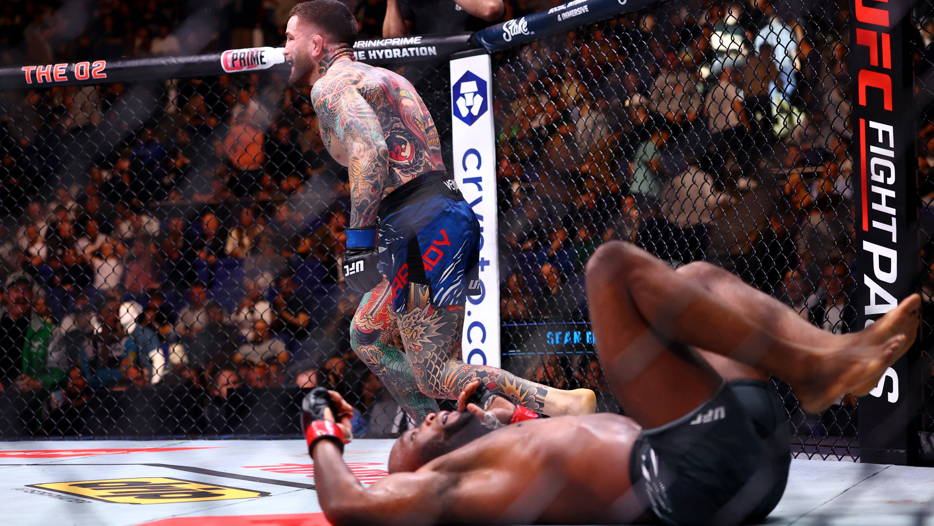
Gabriel Bonfim vs Sean Brady: analysis & prediction

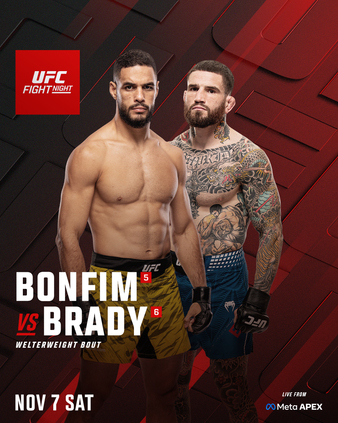
MAIN EVENT · WELTERWEIGHT · 5 ROUNDSUFC Fight Night: Bonfim vs. Brady
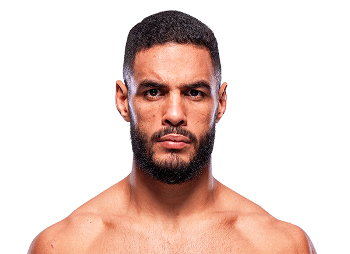
Gabriel Bonfim — Welterweight fighter

Gabriel Bonfim

“Marretinha”
20W1L
Volume Striker
VS
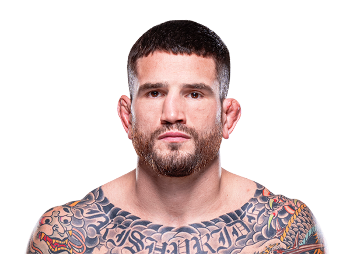
Sean Brady — Welterweight fighter

Sean Brady

19W2L
Positional Wrestler

The division's best striking defense against the takedown defense nobody has ever tested.

WelterweightMeta APEX, Las Vegas, Nevada, United StatesNovember 7, 202625ft Octagon (Meta APEX)

Fight overview

The fight in 30 seconds

Brady wants a small cage: feints and low kicks to get close, then a body lock and a walk to the fence, the route that broke down Leon Edwards. Bonfim needs open space, jabbing down and chopping the lead leg as he did against Belal Muhammad, with a right hand waiting for a chin that has failed at range. Every trip to the fence banks rounds for Brady.

Paths that change the fight

  • Gabriel BonfimTwenty-five minutes fought in the middle of the cage. If the tie-up never happens, the jab, the calf kick and the division's best striking defense out-score a wrestler who has to keep paying an entry tax — exactly the way a former champion was swept 50-45 in June.
  • Sean BradyOne body lock and a walk to the chain link. 87% takedown defense means Bonfim cannot reverse the exchange, and 131 seconds of control per round across five rounds is roughly four extra minutes of top position that no judging panel in Nevada ignores.
What limits this estimate · Analyst conviction: 4/10
  • Division-best striking defense at 64%, rank 1 of 54, behind three inches of height with equal reach.
  • Bonfim just swept a former champion 50-45 on all three cards over twenty-five minutes, and his fifth round was the busiest of the night.

Editorial assessment of the evidence, not a win probability or a calibrated confidence interval.

Gabriel Bonfim

Insufficient price data
Model win probability
45%
Fair odds
+122
Reference quote
—
Fair decimal odds
2.22

Sean Brady

Insufficient price data
Model win probability
55%
Fair odds
-122
Reference quote
—
Fair decimal odds
1.82
Price freshness & calculation notes

Quotes older than 48 hours are marked outdated. EV at an old or undated price is a historical calculation, not a current opportunity. Date-only snapshots have no verified capture time.

Sources and data limitations

Career statistics and fight results through September 2026. Composite scores, win probabilities, fair prices and conviction are MMA Analytics model outputs.

Model methodology
01

The Frame

What this fight is really about — and the measurements that shape it

The Analyst's Take

Gabriel "Marretinha" Bonfim and Sean Brady both bring full Octagon résumés into this main event, and both have already fought into the championship rounds. Bonfim is 20-1-0 and 7-1 in the Octagon, 6'1" with a 72.5-inch reach, and he arrives on a five-fight win streak capped by a 50-45, 50-45, 50-45 sweep of former champion Belal Muhammad over a full twenty-five minutes — a fight he won as a pure kickboxer with zero takedowns landed. Brady is 19-2-0 and 9-2 in the Octagon, and he has already solved a taller, rangier, elite-striking former champion in a five-round main event: he took Leon Edwards down repeatedly and guillotined him from mount at 1:39 of Round 4. The structural fork is blunt. Brady controls 131 seconds per round to Bonfim's 38, has been taken down twice in eleven UFC fights on fifteen attempts, and owns ten career decision wins to Bonfim's three. Bonfim owns three inches of height, the welterweight division's best striking defense at 64%, thirteen career submissions and a live guillotine deterrent — but he has never once faced a chain wrestler of Brady's grade, and all seventeen of his career finishes landed in Rounds 1 through 3. They have never met.

Gabriel Bonfim
Attribute
Sean Brady
294-year gap
Age
33
6'1" (73")+3" Bonfim
Height
5'10" (70")
72.5"+0.5" — a wash
Reach
72.0"
40.5"functionally identical
Leg Reach
40.0"
Orthodox
Stance
Orthodox
Bonfim Brothers Academy / Cerrado MMA
Team
Marquez MMA
Jan 21, 2023
Octagon Debut
Oct 18, 2019
8
Octagon Bouts
11
2 — one full 25-minute fight
Championship Rounds
3 — a full 25:00 and an R4 finish
38 sec
Control Time / Round
3.4× Brady131 sec
Rangy volume striking with a career submission engine
Fighting Style
Fence wrestling into late positional submissions

Height to Bonfim, leverage to Brady, and reach is a wash. The headline is that Bonfim is three inches taller — 6'1" against 5'10" — but only half an inch longer, 72.5" against 72.0". That combination matters more than a raw height gap. Bonfim gets the higher shoulder line, the downward jab and the calf-kick angle, but he does not get the free stand-off range a genuine reach edge would buy him, so Brady can close to his own working distance without paying a long entry tax. In the clinch — where 100% of both men's takedowns originate — Brady's lower centre of gravity and shorter frame are the classic body-lock advantage, while Bonfim's height gives him the underhook height and the knee that ended Randy Brown. Leg reach is functionally identical at 40.5" to 40.0", so the calf-kick exchange is a skill question rather than a length question. Bonfim carries a four-year age edge at 29 against 33; Brady carries three more years and three more UFC bouts of top-ten mileage.

Venue Factor
The Meta APEX is the smallest canvas in the promotion, and the fence is Brady's best friend. His entire takedown record — 35 landed, every one of them clinch- or fence-derived, zero from a distance shot — is built on shrinking the cage until an opponent's back touches chain link. A short-cage main event with no crowd energy to feed off is close to his ideal environment. It is also the environment in which Bonfim's one professional loss happened: pinned to the fence, eating knees, stopped by Nicolas Dalby at 4:33 of Round 2.
02

The Fighters

Careers, chins, schedules — and the form they bring into the cage

Gabriel Bonfim fighting Belal Muhammad

Gabriel Bonfim

Pro Record
20-1-0
UFC Record
7-1 across eight bouts since January 2023
Streak
Five straight — Loosa, Khaos Williams, Thompson, Brown, Belal
Finish Rate
85% (17 of 20 wins) — 13 submissions, 4 KO/TKO
Avg Fight Time
10:24
Chin · Durable at range but breached once in the clinch — knees against the fence ended his only professional loss, and he has yet to win a fight after being hurtSOS · EliteTechnical Striker / Counter Striker

The ascending finisher. Bonfim entered the UFC 13-0 with every one of those wins by stoppage, got stopped by Nicolas Dalby in his third Octagon appearance, then rebuilt into something different. His last three wins are a split decision over Stephen Thompson, a clinch-knee knockout of Randy Brown in a scheduled five-rounder, and a 50-45, 50-45, 50-45 shutout of Belal Muhammad. He has traded finishing volatility for a repeatable striking identity: his three career decision wins are all UFC-era and all inside twenty-six months. The rate line underneath the run is a specific shape — 4.69 significant strikes per minute against a 4.38 divisional mean, 48% accuracy that sits level with the 48.7% benchmark, and a 64% striking defense that is the best number in a fifty-four-man division. The cost is written just as plainly: 0.18 knockdowns per fifteen minutes, 38th of 54, and exactly one knockout in eight Octagon fights. He scores; he does not hurt people at range.

Sean Brady celebrating over a downed Leon Edwards at The O2 in London

Sean Brady

Pro Record
19-2-0
UFC Record
9-2 across eleven bouts since October 2019
Streak
1-1 in his last two — a 3:27 loss to Morales, then a 30-25 mauling of Buckley
Finish Rate
47% (9 of 19 wins) — 6 submissions, 3 KO/TKO
Avg Fight Time
13:21
Chin · Vulnerable at distance — two KO/TKO losses, both to punches to the head, the most recent a Round 1 stoppage in three minutes twenty-seven secondsSOS · ElitePositional Wrestler / Late-Round Sub Artist

The proven controller, and the mirror image of the man across from him. Brady was 15-0 before Belal Muhammad stopped him in 2022, rebuilt through Kelvin Gastelum, Gilbert Burns and Leon Edwards to No. 2 in the division, then was starched in 3:27 by Michael Morales in November 2025. His answer was the most one-sided performance of his career: 12:09 of control out of 15:00 against Joaquin Buckley, with two 10-8 rounds on two cards. The engine is positional rather than explosive — 3.58 takedowns per fifteen minutes (7th of 54) at roughly 51% accuracy on 68 career attempts, 87% takedown defense built on conceding two takedowns in seven years, and 131 seconds of control per round adding up to 69.6 cumulative minutes of UFC top position. Twenty-four percent of his significant strikes are thrown from the ground and they land at 58%. All three of his career knockouts are pre-UFC; he has never stopped anyone with strikes inside the Octagon.

Gabriel Bonfim
0 dealt · 0 absorbed
Knockdown Exchange
Knockdowns dealt vs absorbed.
Sean Brady
0 dealt · 0 absorbed

Gabriel Bonfimsignature weapons

Front-Headlock ChokesSeven of his thirteen career submissions came from the front headlock — guillotines of Mounir Lazzez at 0:49 and Trevin Giles at 1:13 of the first round, a brabo choke on Khaos Williams at 4:58 of the second, and four more before he reached the Octagon. His 0.90 submission attempts per fifteen minutes rank 9th of 54
×7
Rear-Naked ChokeFour regional finishes from the back — Mario Barreto, Moacir Rocha, Luis Felipe Alvim and Lucas Silva — a route he has not needed in the Octagon
×4
The Clinch KneeRandy Brown, knee to the head at 1:40 of Round 2 in a scheduled five-rounder — his only UFC knockout in eight bouts, and the reason a knockdown rate ranked 38th of 54 still undersells his short-range power
×1

Sean Bradysignature weapons

The GuillotineLeon Edwards from mount at 1:39 of Round 4 in a five-round main event, Christian Aguilera by technical submission at 1:47 of Round 2, and Tanner Saraceno before the UFC — the choke he reaches for once an opponent has spent time underneath him
×3
Arm-Triangle and KimuraJake Matthews by arm-triangle at 3:28 of Round 3 and Kelvin Gastelum by kimura at 1:43 of Round 3 — both after long stretches of top control, fed by thirty-five UFC takedowns on 68 attempts and 131 seconds of control per round
×2

Gabriel Bonfim

W
Belal Muhammad
Decision — Unanimous (50-45, 50-45, 50-45)

Opponent context: elite

R5
UFC Fight Night: Muhammad vs. Bonfim — Jun 6, 2026
W
Randy Brown
KO/TKO — knee to the head in the clinch

Opponent context: veteran

R2 (1:40)
UFC Fight Night: Bonfim vs. Brown — Nov 8, 2025
W
Stephen Thompson
Decision — Split

Opponent context: elite

R3
UFC Fight Night: Lewis vs. Teixeira — Jul 12, 2025
W
Khaos Williams
Submission — D'Arce choke

Opponent context: veteran

R2 (4:58)
UFC Fight Night: Cannonier vs. Rodrigues — Feb 15, 2025
W
Ange Loosa
Decision — Unanimous

Opponent context: prospect

R3
UFC Fight Night: Namajunas vs. Cortez — Jul 13, 2024
Pattern

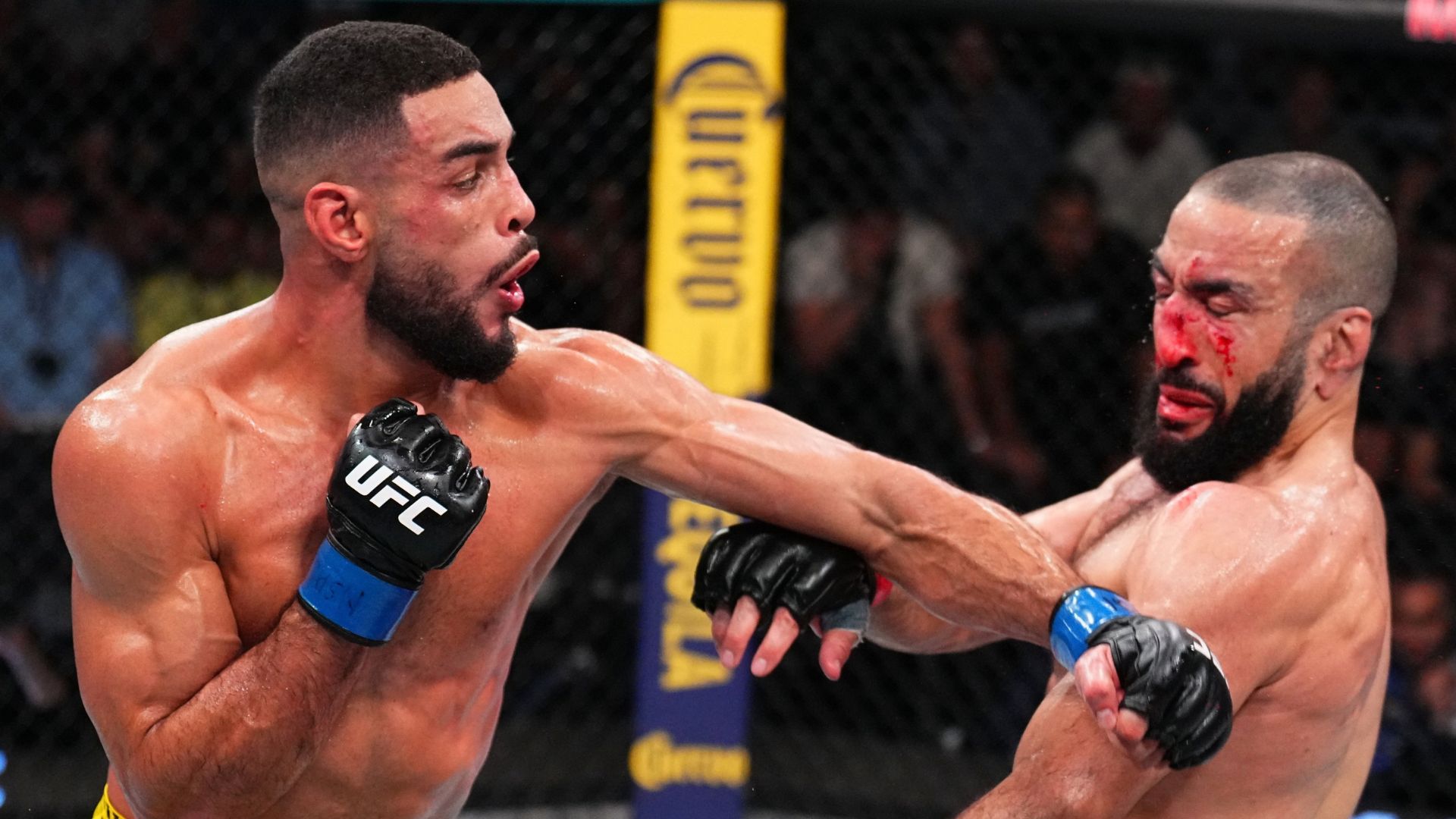
Five straight, and the trajectory inside the streak is the story — two decisions over strikers, a D'Arce choke, a clinch-knee knockout in a scheduled five-rounder, then a 50-45 shutout of a former champion. Against Belal Muhammad he landed 128 significant strikes to 86, attempted essentially no wrestling, and swept five rounds on all three cards behind a jab-and-calf-kick game. Critically, his best round of the night was the fifth: 35 significant strikes at 58.3% accuracy, the busiest and most accurate of his five rounds that night. That single data point rewrote his cardio profile. The caveat travels with it — Belal entered on a two-fight skid, left on a three-fight skid, and attempted almost no takedowns, so the tape proves Bonfim's cardio and kickboxing and proves nothing at all about his takedown defense.

Sean Brady

W
Joaquin Buckley
Decision — Unanimous (30-25, 30-25, 30-27)

Opponent context: elite

R3
UFC 328: Chimaev vs. Strickland — May 9, 2026
L
Michael Morales
KO/TKO — punches to the head at distance

Opponent context: elite

R1 (3:27)
UFC 322: Della Maddalena vs. Makhachev — Nov 15, 2025
W
Leon Edwards
Submission — guillotine from mount

Opponent context: elite

R4 (1:39)
UFC Fight Night: Edwards vs. Brady — Mar 22, 2025
W
Gilbert Burns
Decision — Unanimous (50-45, 50-45, 49-46)

Opponent context: elite

R5
UFC Fight Night: Burns vs. Brady — Sep 7, 2024
W
Kelvin Gastelum
Submission — kimura from side control

Opponent context: veteran

R3 (1:43)
UFC Fight Night: Dariush vs. Tsarukyan — Dec 2, 2023
Pattern

Four wins in five, and the one loss is the most important fight in the projection. Against Michael Morales, Brady walked forward behind low kicks, ate a stiff jab followed by a clubbing right, was hurt instantly, and was finished with an overhand right and ground-and-pound at 3:27 of Round 1 — the fastest and most one-sided defeat of his career, as the No. 2 ranked welterweight. His response was total: four takedowns and 12:09 of control across 15:00 against Joaquin Buckley, with two 10-8 rounds on two cards. The Edwards fight is the direct template for this booking — a taller, rangier, elite-striking former champion in a five-round main event, taken down repeatedly and submitted from mount in Round 4. That is close to the exact assignment Bonfim presents, and Brady already passed it once.

Gabriel Bonfim

Win Methods
Wins by Round

Sean Brady

Win Methods
Wins by Round
Critical Insight
Put the two method tables side by side and the fight reads itself. Bonfim finishes early or scores late; Brady controls early and finishes late. Eight of Bonfim's seventeen career finishes came in Round 1 and fifteen of seventeen by the end of Round 2 — and no career finish of his has ever landed in a championship round. Brady has two finishes past Round 3, both in Round 4, one of them a mounted guillotine over Leon Edwards, and his submission-attempt rate climbs by round: 0.00 in the first, 0.20 in the second, 0.63 in the third, 0.50 in the fourth. In a five-round fight that asymmetry means Bonfim's stoppage equity is compressed into the first fifteen minutes while Brady's grows with every minute the fight survives — and Brady's decision path, at ten career decision wins to Bonfim's three, is the highest-density single outcome on the board.

Common Opponents

OpponentGabrielSean
Belal MuhammadW· UD 50-45, 50-45, 50-45 (Jun 2026)L· TKO R2 4:47 (UFC 280, Oct 2022)
The loudest data point in the fight and the one most likely to be misread. The 2022 Belal was an ascending contender two fights from a world title; the 2026 Belal was a former champion who entered on a two-fight losing streak, left on a three-fight losing streak, and attempted almost no takedowns across twenty-five minutes — the one weapon that had beaten Brady. The gap between those two men is larger than the gap between Bonfim and Brady. Directionally it favours Bonfim; quantitatively it is worth two or three points, not fifteen.
03

The Numbers

Composites, division ranks and round-by-round evidence

Composite scores summarize selected statistics on a 0–100 scale. They are not win probabilities. Compare the underlying metrics, opponent quality and UFC experience before interpreting a score difference as a matchup advantage.

Striking

SLpM 25% · StrAcc 30% · StrDef 30% · SApM 15%

0
Gabriel
0
Sean

Four points to Bonfim, and it is all defense and output. He lands 4.69 per minute against a 4.38 mean (19th/54) at 48% accuracy, level with the benchmark (27th), behind a 64% striking defense that is the single best number in the division. Brady lands 4.08 (28th) at 53% accuracy (13th) — lifted by 58% accuracy on the ground — with 60% defense (8th) and an elite 2.77 absorbed per minute (12th). Neither man is a knockout artist: combined they carry 0.28 knockdowns per fifteen minutes and one UFC stoppage by strikes between them.

Grappling

TD/15 25% · TDAcc 25% · TDDef 30% · Sub/15 20%

0
Gabriel
0
Sean

Nine points to Brady, and the formula understates it because control time is not one of the four inputs. Brady: 3.58 takedowns per fifteen (7th of 54) at 51%, 87% takedown defense on fifteen attempts faced in eleven fights, 0.82 submission attempts and 131 seconds of control per round. Bonfim: 2.52 takedowns at 52% accuracy, a 0.90 submission rate that ranks 9th of 54 behind thirteen career submission wins, 79% takedown defense that has never been stress-tested, and only 38 seconds of control per round with 1% of his output from the ground.

Technical

(Striking + Grappling) / 2

0
Gabriel
0
Sean

Unrounded, 67.5 against 70. Striking technique is Bonfim's by a small margin; grappling is Brady's by a wide one. Net technical edge: Brady, modestly.

MetricGabrielSean
Avg Fight Time10:2413:21
Pace TierAbove benchmark — 4.69 SLpM (19th/54)Measured — 4.08 SLpM (28th/54)
R3/R1 Output163% — 25.3 sig in R3 against 15.5 in R180% — 16.4 against 20.6 as the work moves to the ground
Round 1 Output15.5 sig — his quietest round20.6 sig with 83 sec of control — his busiest striking round
Champ Rounds2 — one fight; R5 was 35 sig at 58.3%3 — a full 25:00 vs Burns and an R4 finish of Edwards

Archetype Base Rate

Technical Striker / Counter Striker 39%61% Wrestler

41-fight archetype sample · Bonfim profiles as a Technical Striker / Counter Striker, a label that has become accurate — it captures the man who out-jabbed Belal Muhammad for five rounds rather than the regional submission machine. Brady, for all his clinch work, is a wrestler by any functional definition: 24% of his strikes come from the ground, he banks 131 seconds of control per round and he has four UFC submissions. Technical Striker vs Wrestler reads 39.0% for the striker across 41 fights, pointing the same direction as everything else in this matchup.

Gabriel BonfimSean Brady

Welterweight

· 54 fighters
StatGabrielGabriel rankDiv avgSean rankSean
SLpM4.69
19/54
4.38
28/54
4.08
Str Acc48%
27/54
48.7%
13/54
53%
Str Def64%
1/54elite
53.7%
8/54
60%
SApM3.56
26/54
3.89
12/54
2.77
KD Avg0.18
38/54
0.52
40/54
0.10
Damage Ratio1.32
21/54
1.22
11/54
1.47
TD/152.52
9/54
1.64
7/54elite
3.58
TD Acc52% (14 of 27)———51% (35 of 68)
TD Def79% (4 conceded of 19)
15/54
—
9/54elite
87% (2 conceded of 15)
Sub/150.90
9/54
0.47
11/54
0.82
Control / Round38 sec———131 sec
Sig. Strikes From Ground1% (4 of 390)———24% (145 of 599)
Avg Fight Time10:24———13:21
Statistical Verdict
Every length, output, defensive-striking, submission-rate and momentum marker belongs to Bonfim. Every positional-control, decision-reliability, championship-minutes and takedown-defense marker belongs to Brady. Their takedown accuracy is all but identical — 52% and 51% — which strips away the "who is the better wrestler" abstraction and reduces the fight to a single measurable: Brady completes 3.58 takedowns per fifteen minutes and rides for 131 seconds a round; Bonfim completes 2.52 and rides for 38. Over twenty-five minutes that difference is worth roughly four minutes of extra top control per fight, which is the margin between a competitive decision and a 49-46.

Significant Strikes Landed per Round

⚠ R4, R5: single-fight sample for Gabriel Bonfim

⚠ R5: single-fight sample for Sean Brady

Control Time per Round (sec)

Gabriel Bonfim

  • His output climbs every single round and never plateaus — 15.5, 21.5, 25.3, 26.0, 35.0 — and so does his accuracy, from 45.9% in an average first round to 58.3% in the only fifth round he has ever fought. That fifth round against Belal Muhammad matched the most accurate round of his UFC career; only the third round against Ange Loosa, at 43 landed, was busier.
  • 41.9% of his first-round strikes are leg kicks, the highest leg share of any round either man throws, and it is the tool that made Belal's last twenty-five minutes miserable. It is also the single easiest strike in the sport to catch and turn into a fence takedown.
  • The target mix inverts as the fight lengthens: head share runs 41.9% in the first and 85.7% in the fifth, with the leg share collapsing from 41.9% to 8.6%. He taxes the legs early and hunts the head late.
  • Control time is flat and low — 43, 37, 55, 0, 0 seconds — because he does not ride opponents. His nineteen recorded rounds contain 1% ground striking; the submissions come from scrambles and front headlocks, not from position.

Sean Brady

  • His control curve is the fight's other spine: 83 seconds in an average first round, then 162 and 163 in the second and third — nearly 44% of every round spent on top — and 159 seconds in the only fifth round he has ever fought.
  • Striking output decays through the regulation rounds (20.6, 18.1, 16.4) while accuracy holds above his first-round mark (49.7%, 55.5%, 52.8%), because the offense is migrating to the ground rather than fading. Then his only fifth round produces 31.0 significant strikes at 63.3% with three takedowns and 159 seconds of control against Gilbert Burns.
  • His takedown volume rises late — 1.5 landed on 3.0 attempted per fourth round and 3 of 4 in his only fifth — and his sub-attempt rate peaks at 0.63 in the third and 0.50 in the fourth. Three of his four UFC submissions arrived in Round 3 or later.
  • Defensively nobody has anything left for him deep: his opponents average 3.5 significant strikes in a fourth round, and across eleven UFC fights he has conceded two takedowns on fifteen attempts.
Critical Insight
These two tables are the fight. Bonfim's escalation only counts if he is standing to escalate; Brady's escalation happens on top of you. Minutes 0:00 to 10:00 belong to Bonfim on the striking numbers — his lowest-volume rounds are still his cleanest scoring against a man whose own output peaks in the first and then declines. Minutes 15:00 to 25:00 belong to Brady on the control numbers, because a fourth round in which his opponents land 3.5 significant strikes is not a round anyone is winning from underneath. The pivot is the third, where Brady's highest submission-attempt rate of 0.63 and 163 seconds of control meet Bonfim's best regulation-round striking at 25.3 significant strikes and 48.7% accuracy.

Strike targeting

Gabriel

Head
58%
Body
14%
Legs
28%

Sean

Head
72%
Body
7%
Legs
21%

Head hunting vs body work vs leg attack — the shape of the damage.

Striking range — distance, clinch and ground

GabrielSean
92%Distance72%
7%Clinch4%
1%Ground24%

Share of significant strikes landed at distance, in the clinch and on the ground across each fighter's UFC rounds, weighted by strike volume.

04

The Story of the Fight

Advantages, worst cases, gameplans — and the patterns underneath

Where the fight lives

Who owns each phase — and by how much
Open SpaceGabriel owns it

4.69 SLpM to 4.08 behind 64% striking defense (rank 1 of 54) and three inches of height — the range a former champion was swept 50-45 from

Pocket / ExchangesEven

Brady's 53% accuracy and 1.47 damage ratio against Bonfim's volume and 28% leg share; combined 0.28 knockdowns per fifteen says neither man ends it here on demand

ClinchSean owns it

Every takedown either man has landed came from the clinch — Brady's 35 on 68 attempts against the fence where Bonfim's only loss happened

GroundSean owns it

87% takedown defense, 131 sec of control per round and 24% of strikes from the ground at 58% accuracy, against 1% ground output and 38 sec of control

Path to Victory

Gabriel Bonfim

Twenty-five minutes fought in the middle of the cage. If the tie-up never happens, the jab, the calf kick and the division's best striking defense out-score a wrestler who has to keep paying an entry tax — exactly the way a former champion was swept 50-45 in June.

Why they win
01
Division-best striking defense — 64%, rank 1 of 54

Ten-plus points above the 53.7% welterweight benchmark, against a man throwing 4.08 significant strikes per minute. That is a brutal efficiency tax on an opponent who is not trying to out-volume anyone in the first place.

02
Three inches of height with equal reach

6'1" against 5'10" at 72.5" against 72.0". He jabs downward without ceding the entry lane a true reach edge would create — and Brady's entire game requires entries.

03
The calf-kick tax

Leg strikes are 28% of his UFC output and 41.9% of his first-round output, the highest leg share in the fight. A compromised base is a compromised body lock, and this is precisely the tool that stopped Belal Muhammad's forward movement for a full main event.

04
The guillotine deterrent

Thirteen career submissions, seven of them front-headlock chokes including four guillotines, and a 0.90 submission rate that ranks 9th of 54. One careless level change ends the fight regardless of the scorecards.

05
Escalating championship-round output

15.5, 21.5, 25.3, 26.0, 35.0 significant strikes by round, with 58.3% accuracy — tied for the most accurate round of his UFC career — arriving in the twenty-fifth minute against a former champion. He does not fade — on the only evidence available, he accelerates.

06
Brady's chin is a documented, recent vulnerability

Two stoppage losses, both to punches to the head at distance, the most recent lasting three minutes and twenty-seven seconds twelve months ago. That knockout will not arrive through accumulation; it arrives on a single clean count.

The gameplan
  1. 1
    Fight in the middle of the cage, never with your back to the fence

    Brady's entire takedown record is fence-derived — 35 landed, none of them from a distance shot. The counter to a body-lock wrestler is not a sprawl, it is refusing the tie-up, which in the smallest cage in the promotion is a genuinely hard ask over twenty-five minutes.

  2. 2
    Jab, then calf kick, and make him pay a toll for every step forward

    The Belal fight is the blueprint: 128 significant strikes to 86, essentially no wrestling attempted, 50-45 across all three cards. Leg strikes are already 41.9% of his first-round output — that share needs to hold into the third.

  3. 3
    Snap the head down on every level change

    He is a black belt who will not leave it there, but the threat itself slows the entries, and slowed entries are stuffed entries. Thirteen career submissions make the front headlock a credible enough deterrent to change how a wrestler shoots.

  4. 4
    Do not chase the knockout

    A knockdown rate of 0.18, ranked 38th of 54, says the highlight will not come on demand. Bank rounds, keep the accuracy climbing, and let the right hand find a twice-cracked chin somewhere in the fourth rather than hunting it in the first.

  5. 5
    Win Rounds 4 and 5 the way you won them against Belal

    Head-hunting at an 85% target share with accuracy rising to 58.3%, against a 33-year-old who has been chasing entries for eighteen minutes. His one championship-round sample says the twenty-fifth minute was among his best five minutes.

Path to Victory

Sean Brady

One body lock and a walk to the chain link. 87% takedown defense means Bonfim cannot reverse the exchange, and 131 seconds of control per round across five rounds is roughly four extra minutes of top position that no judging panel in Nevada ignores.

Why they win
01
87% takedown defense on a real sample

Two takedowns conceded on fifteen attempts across eleven UFC fights — he has been taken down twice in seven years. Bonfim's 2.52 takedowns per fifteen minutes are neutralised before the exchange starts.

02
131 seconds of control per round — 3.4× Bonfim's rate

Nearly 44% of every round on top, and 69.6 cumulative minutes of UFC top position. Against a man who rides for 38 seconds a round, this is the largest scoring asset in the fight and it compounds over five rounds.

03
The Leon Edwards precedent

A taller, rangier, elite-striking former champion in a five-round main event, taken down repeatedly, mounted and guillotined at 1:39 of Round 4. That is close to the exact assignment Bonfim presents, and it is already on Brady's record.

04
Ten career decision wins to Bonfim's three

Over half his victories, including a full 25-minute unanimous decision over Gilbert Burns in which his fifth round, with three takedowns, was as strong as any. He does not need a finish, he has never been out-pointed, and he does not fade.

05
Late submission architecture

A submission-attempt rate that climbs 0.00 → 0.20 → 0.63 → 0.50 by round, with three of his four UFC submissions arriving in Round 3 or later. The finishes are a consequence of accumulated position rather than a hunt — which is why five rounds maximise him.

06
Elite efficiency and low absorption

53% striking accuracy (13th of 54), 2.77 significant strikes absorbed per minute (12th), a 1.47 damage ratio and 58% accuracy on the 24% of his strikes thrown from the ground — the highest-percentage offense in the fight.

The gameplan
  1. 1
    Do not stand at range trading jabs

    Every second spent at distance against a 6'1" man with the division's best striking defense is a second inside Michael Morales's blueprint. The standing offense exists to set up level changes, not to win exchanges.

  2. 2
    Enter behind low kicks and level-change feints; get the underhook, the body lock, the fence

    The Buckley and Burns template — two takedowns and two and a half minutes of control wins any round in this fight. His first-round control already averages 83 seconds against Bonfim's 43.

  3. 3
    Prioritise position over submission until Round 3

    Mount, ground strikes, then the arm-triangle and guillotine entries as the defense degrades. That is exactly the sequence that finished Leon Edwards, and it is why his attempt rate peaks at 0.63 in the third rather than the first.

  4. 4
    Protect the neck on every entry

    Hips first, head up, never a hands-down shot into a front headlock. His takedowns are tie-up-derived rather than shot-derived, which is the specific reason Bonfim's guillotine equity is lower here than thirteen career submissions imply — but only if he keeps entering that way.

  5. 5
    Trust the fifth round

    His only career fifth round produced 31 significant strikes at 63.3% accuracy, three takedowns and 159 seconds of control. He is one of two men in the building with championship-round evidence, and his is the deeper of the two.

Danger Zone

How Gabriel Bonfim loses

  • Buckley 2.0 with an extra ten minutes. Brady body-locks him to the fence in Round 1, rides two and a half minutes a round, and turns a five-round main event into four 10-9s and a 10-8 — the 30-25 template stretched to 50-42.

  • Dalby's ghost. He gets pinned to the chain link in Rounds 2 and 3, the clinch grind repeats, and this time it is elbows and top pressure rather than knees — a fourth-round TKO from mount.

  • He wins the standing minutes and still loses the cards, because 25 significant strikes at range does not out-score two minutes and forty seconds of mount time in front of any judging panel in Nevada.

Danger Zone

How Sean Brady loses

  • Morales 2.0. He walks forward behind a low kick, eats a straight right from a man three inches taller, and the fight is over before his wrestling ever gets a rep.

  • The legs go. Calf kicks accumulate through Rounds 1 and 2, his level changes lose their snap, and by Round 3 he is a 4.08-SLpM striker in a kickboxing match he cannot win.

  • He shoots badly once. One over-committed entry, one exposed neck, and the man with thirteen career submissions and four guillotine finishes ends it — the Trevin Giles finish, but at minute eighteen.

The loudest data point, and the most misread

The Belal Muhammad Common-Opponent Trap

Brady lost to Belal Muhammad by TKO in Round 2 at UFC 280 in October 2022. Bonfim beat the same man 50-45, 50-45, 50-45 in June 2026. At face value that is an enormous Bonfim argument, and it should not be taken at face value. The 2022 Belal was an ascending contender two fights from a world title who would go on to take the belt from Leon Edwards; the 2026 Belal was a former champion who entered on a two-fight losing streak, left on a three-fight losing streak, and attempted almost no takedowns across twenty-five minutes — the one weapon that had beaten Brady. The honest version: Bonfim beat a declining Belal at the exact phase when his wrestling had stopped arriving, and Brady lost to a prime Belal at the phase when it was at its peak.

3.7 yrs
between the two Belal fights — and two opposite career phases
Why the guillotine is less live than it looks

Fence Geometry — Where 100% of the Takedowns Live

Both men convert takedowns at essentially the same rate and both do it exclusively from the clinch; neither has a meaningful distance shot in his record. That shared fact reframes the matchup, because it means the guillotine — the tool that would normally punish a wrestler — is less live than Bonfim's thirteen submissions imply. His two signature guillotines came off opponents dropping levels into a front headlock; Brady's takedowns come off a tie-up, an underhook and a walk to the chain link, head outside and hips already in. Conversely, Bonfim's own offensive wrestling is dead on arrival against 87% takedown defense. The wrestling exchange in this fight is one-directional: Brady can initiate it and Bonfim cannot.

52% / 51%
takedown accuracy — Bonfim and Brady, near-identical
Bonfim has never faced a chain wrestler

The Untested Variable

Across eight UFC bouts Bonfim's opposition reads Lazzez, Giles, Dalby, Loosa, Khaos Williams, Thompson, Randy Brown and a Belal Muhammad who chose not to wrestle. Not one elite grappler. His 79% takedown defense rests on nineteen attempts across eight fights, while Brady attempts 6.2 per fight on his own. The sample is not merely thin, it is unrepresentative. This is the largest single uncertainty in the projection and the primary reason the fight is not closer to a coin flip — and equally the reason conviction is capped at 4, because an untested number can break either way, and a 6'1" frame with strong underhooks and a live neck attack is exactly the profile that occasionally ruins a fence wrestler's night.

19
takedowns attempted against Bonfim in his entire UFC career
A low-frequency, high-impact branch

Chin Asymmetry and the One-Punch Clause

Brady absorbs 2.77 significant strikes per minute — 12th-best in a fifty-four-man division — and has still been knocked out twice, both by punches to the head at distance, most recently in three minutes and twenty-seven seconds. That combination of low absorption and a cracked chin is specific: the knockout will not arrive through accumulation, it arrives or it does not on a single clean count. Bonfim's problem is that he is not built to deliver it on demand — a knockdown rate of 0.18 ranked 38th of 54, one UFC knockout in eight fights, and that one a clinch knee rather than a punch. Mirror image: Bonfim's own stoppage loss came from clinch knees against the fence at 4:33 of Round 2, and any "Elite" chin label for him is directly contradicted by his record after being hurt.

3:27
how long Brady lasted against Michael Morales, Nov 2025
Strength of schedule, correctly weighted

Archetype Labels and Strength of Schedule

The "Technical Striker / Counter Striker" tag on Bonfim has quietly become accurate — it describes the man who out-jabbed a former champion for five rounds rather than the regional submission machine who arrived in 2023. Brady is sometimes read as a clinch kickboxer, but he is a wrestler first: 24% of his strikes come from the ground and he banks 131 seconds of control per round. On strength of schedule both carry the Elite tier: Brady's is deeper and more battle-tested — Edwards, Burns, Gastelum, Chiesa, Buckley, plus a competitive loss to a prime Belal — while Bonfim's is shorter but steeper, with Thompson, Brown and Belal all inside sixteen months. Neither has faced a wrestler as good as the one across from him on November 7.

The Five-Round Clock

Gabriel Bonfim danger windowSean Brady danger windowNeutral / contested
R1 · 0:00–5:00The variance round

Historically the least decisive five minutes for both men — Brady has never finished a UFC fight in a first round and Bonfim's first-round finishes are all regional or against opponents who came to him. But this is also Brady's lowest control round at 83 seconds and the round in which 41.9% of Bonfim's strikes are leg kicks. The Morales echo lives here: one clean straight right at distance and twenty-five scheduled minutes end in three.

Critical Insight
The clock is not neutral in this fight. Bonfim's win equity is front-loaded on finishes and back-loaded on points; Brady's is the reverse. Bonfim has never finished anyone after Round 3 and has never been finished after Round 2, so if he wins it is most likely a decision built on the Belal blueprint, or an early stoppage that never lets the wrestling start. Brady has both of his post-Round-3 finishes in Round 4 and ten career decision wins, and his equity compounds with every minute that passes. Minutes 0:00 to 10:00 are Bonfim's; minutes 15:00 to 25:00 are Brady's.

Finish Threat by Round

Share of each fighter's wins that end in each round — early finishers spike left, grinders rise right.

05

The Verdict

One hundred simulated fights, the betting market, and our conviction

If you only read 3 things
1

Both men have zero decision losses and zero submission losses in twenty-one professional fights each. The only way either has ever actually lost is by being hurt — Bonfim once to clinch knees against the fence, Brady twice to right hands at distance — which is why the decision paths belong to whoever is better at not getting hit.

2

Brady controls 131 seconds per round to Bonfim's 38 and has conceded two takedowns on fifteen attempts in eleven UFC fights. Bonfim owns three inches of height, the division's best striking defense at 64%, thirteen career submissions and an output curve that peaks at 35 significant strikes in the twenty-fifth minute.

3

Model: Brady 55% / Bonfim 45%, conviction 4/10 — hard-capped because Bonfim's takedown defense has never faced a genuine wrestler, and because Brady was unconscious in 3:27 twelve months ago against exactly the kind of right hand a 6'1" welterweight throws.

Model outcomes per 100 fights

Each square represents one percentage point of the model distribution, not an observed fight. This visualization does not measure model accuracy or reduce uncertainty in the inputs.

Bonfim Decision — 22%Bonfim KO/TKO — 13%Bonfim Submission — 10%Brady Decision — 33%Brady Submission — 17%Brady KO/TKO — 5%

Each square = 1 simulated fight. Gabriel Bonfim gold · Sean Brady orange · full color = decision, 70% = submission, 45% = KO/TKO.

The untested takedown defense

Bonfim's 79% rests on nineteen attempts across eight fights, none of them by an elite wrestler. Brady attempts 6.2 takedowns per fight. This is the largest single variable in the matchup and the reason conviction is capped at 4 rather than 6 — an untested number can break either way.

131 seconds of control against 38

The primary scoring differential over twenty-five minutes. Brady's rate is 3.4× Bonfim's; carried across five rounds that is roughly four extra minutes of top position per fight, which is the difference between a competitive card and a 49-46.

Calf-kick accumulation

Leg strikes are 28% of Bonfim's UFC output and 41.9% of his first-round output. If that tax lands the way it landed on Belal Muhammad, Brady's level changes lose their snap by the third round and the wrestling stops arriving — the single most plausible route to a Bonfim decision.

The one-punch clause

Brady's chin has failed twice to punches at distance, most recently in 3:27 twelve months ago, against Bonfim's genuinely modest power — a 0.18 knockdown rate ranked 38th of 54 and one UFC knockout in eight fights. Highest-variance branch on the board, lowest frequency, priced at 13.

Late submission architecture against a hard R3 cap

Brady's sub-attempt rate climbs 0.00 → 0.20 → 0.63 → 0.50 by round with a mounted guillotine over a former champion at R4 1:39, while Bonfim has zero career finishes past Round 3. Five rounds materially raises Brady's submission bucket over a three-round baseline.

Championship-round cardio, unevenly evidenced

Bonfim's fourth and fifth rounds are a single fight against a man who stayed at kickboxing range, and they were excellent — 35 significant strikes at 58.3% in the twenty-fifth minute. Brady's are two five-round bookings and 146.85 total UFC minutes. Wrestling cardio and kickboxing cardio are not the same currency.

Fight Scripts

0%
of simulations

The Fifteen-Foot Hallway

Brady turns the Meta APEX into a short corridor. He absorbs the calf kicks, closes behind low kicks and level-change feints, gets the underhook and the body lock, and walks Bonfim to the chain link — banking an unspectacular, thoroughly convincing decision behind two-plus minutes of top position a round. The largest bucket on the board, and it requires nothing to go right, only for the thing Brady has done in nine of eleven UFC fights to happen again.

Scripted outcomes for Gabriel Bonfim vs Sean Brady — how each version of this fight unfolds.

Gabriel Bonfim win probability
0%
13%
22%
10%
KO/TKODECSUB
  • Thirteen points, and the highest-variance branch on the board. It prices Brady's twice-cracked chin — two stoppage losses to punches at distance, the most recent in 3:27 — against genuinely modest power: a 0.18 knockdown rate ranked 38th of 54 and one UFC knockout in eight fights, and that one a clinch knee rather than a punch. Low frequency, high impact, and the outcome most likely to be underpriced.

  • His largest bucket, and no token. He has just executed exactly this against a former champion, sweeping all five rounds on all three cards while landing 128 significant strikes to 86 — behind the division's best striking defense, three inches of height and an output curve that climbed to 35 significant strikes in the twenty-fifth minute.

  • Ten points, crediting thirteen career submissions and a submission rate ranked 9th of 54, discounted because Brady has never been submitted in twenty-one professional fights and enters from tie-ups rather than shots. A body lock with the head outside is the wrong entry to guillotine, which makes this his least live path despite being his most decorated skill.

Sean Brady win probability
0%
5%
33%
17%
KO/TKODECSUB
  • Five points, deliberately low and the smallest bucket on the board. Zero UFC knockouts in eleven fights — all three of his career KO/TKO wins are pre-UFC, the most recent in 2019. What remains is ground-and-pound from mount, which the two 10-8 rounds against Joaquin Buckley show is genuinely live across twenty-five minutes.

  • The largest bucket on the board and the structural chalk. Ten career decision wins, 131 seconds of control per round, 87% takedown defense meaning Bonfim cannot reverse the wrestling, and a five-round format that rewards accumulation. The Buckley scorecards — 30-25, 30-25 — are what it looks like when it goes perfectly.

  • Seventeen points, reflecting the late-round architecture: a Round-3 attempt rate of 0.63, both career post-Round-3 finishes in Round 4, and a mounted guillotine over Leon Edwards as the direct precedent. Five rounds materially raises this over a three-round baseline, and Bonfim will be defending from the bottom for the first time in his UFC career.

Projected Scorecards

How the model scores each round
R1
Gabriel
R2
Sean
R3
Sean
R4
Sean
R5
Gabriel
48-47 Brady
Control time carries the middle three; Bonfim banks the first and the fifth
The most likely card if it reaches the twenty-fifth minute
49-46 Brady
Two-plus minutes of top position a round and the entries never stop arriving
His cleanest decision outcome — the Buckley shape stretched to five
48-47 Bonfim
The takedowns are stuffed, the calf kicks tax every entry, and the Belal blueprint holds
The competitive version, and close behind

Model and price

Gabriel Bonfim

Insufficient price data
Model win probability
45%
Fair odds
+122
Reference quote
—
Fair decimal odds
2.22
Estimated EV
—
Edge vs no-vig market
—

Sean Brady

Insufficient price data
Model win probability
55%
Fair odds
-122
Reference quote
—
Fair decimal odds
1.82
Estimated EV
—
Edge vs no-vig market
—

EV uses the displayed price: probability × decimal odds − 1. Edge is a percentage-point difference from a proportionally de-vigged, same-book pair. A dash means that comparison is unavailable.

Price freshness & calculation notes

Quotes older than 48 hours are marked outdated. EV at an old or undated price is a historical calculation, not a current opportunity. Date-only snapshots have no verified capture time.

Fair odds are the break-even price under this estimate, not a recommended entry price. Model uncertainty can erase a small edge.

What price would change the calculation? · Gabriel Bonfim

Change the assumptions to see how the required price moves. This does not update the published model or recommend an entry price.

Required decimal price: 2.23 or higher. At the exact unrounded break-even price, estimated EV is zero.

What price would change the calculation? · Sean Brady

Change the assumptions to see how the required price moves. This does not update the published model or recommend an entry price.

Required decimal price: 1.82 or higher. At the exact unrounded break-even price, estimated EV is zero.

Original analyst price notes

These notes describe the original analysis and may refer to older prices.

Brady by submission is the standout at 17% of the board. That figure is arguably conservative given a Round-3 submission-attempt rate of 0.63, a Round-4 finishing precedent over a former champion, and an opponent who will be defending from the bottom for the first time in his UFC career — so any plus-money on the choke is where the model disagrees most sharply with a market anchored to Bonfim's five-fight streak. Bonfim by KO/TKO at 13% is the correct live-dog flier, not because he is a knockout artist but because Brady's chin has failed twice and anything longer than +600 would misprice a genuine one-in-eight event. The fight going the distance at 55% is the structural chalk. The one to avoid entirely is Bonfim by submission at 10%: the market will price thirteen career submissions and a top-ten submission rate generously, and the entry mechanics of this specific matchup — tie-up body locks with the head outside rather than shots into a front headlock — make it the least live of his three paths.

Conviction
0
4/10

Editorial confidence in the evidence, not a win probability or a calibrated confidence interval.

A real but restrained lean on positional control, championship-round volume and the Leon Edwards precedent — hard-capped by the fact that Bonfim's takedown defense has never been tested by a genuine wrestler, that he is four years younger and on a five-fight run capped by a 50-45 sweep of a former champion, and that Brady was rendered unconscious in three minutes and twenty-seven seconds twelve months ago by exactly the kind of right hand a 6'1" welterweight throws. Lean: Sean Brady.

What backs the lean
  • 131 seconds of control per round against 38 — over five rounds, roughly four extra minutes of top position per fight.

  • 87% takedown defense on a real sample: two conceded on fifteen attempts across eleven UFC bouts, which neutralises Bonfim's own 2.52 takedowns per fifteen.

  • The Leon Edwards template — a taller, rangier, elite-striking former champion, taken down and mounted in a five-round main event and guillotined at 1:39 of the fourth.

  • Ten career decision wins to three, a full 25-minute unanimous decision over Gilbert Burns, and a fifth round in it (31 significant strikes, 3 takedowns, 159 seconds of control) that showed no fade.

  • A submission-attempt rate that climbs 0.00 → 0.20 → 0.63 → 0.50 by round, against a man with zero career finishes past Round 3.

  • A deeper, more battle-tested elite schedule: Edwards, Burns, Gastelum, Chiesa, Buckley, plus a competitive loss to a prime Belal Muhammad.

What limits it
  • Division-best striking defense at 64%, rank 1 of 54, behind three inches of height with equal reach.

  • Bonfim just swept a former champion 50-45 on all three cards over twenty-five minutes, and his fifth round was the busiest of the night.

  • Brady's chin is a live, recent, documented failure point — two stoppage losses to punches at distance, the most recent lasting 3:27.

  • A four-year age edge, 29 against 33, and a five-fight win streak against Brady's 1-1 in his last two.

  • Thirteen career submissions and a submission rate ranked 9th of 54 — one bad level change ends it regardless of the cards.

  • The calf-kick tax that dismantled Belal Muhammad's entries for a full main event is precisely the tool that degrades a fence wrestler's base.

Final Assessment

In roughly 55 of 100 simulations, Sean Brady turns the Meta APEX into a fifteen-foot hallway. He absorbs the calf kicks, closes behind low kicks and level-change feints, gets the underhook and the body lock, and walks Bonfim to the chain link — most often banking an unspectacular, thoroughly convincing decision behind two-plus minutes of top position per round at 33%, sometimes finding the arm-triangle or the mounted guillotine as Bonfim's defense degrades through Rounds 3 to 5 at 17%, occasionally hitting the Buckley ceiling and stopping him from mount at 5%. It is the highest-density path in the fight because it requires nothing to go right — only for the thing Brady has done in nine of eleven UFC fights to happen again.

In the other 45, Gabriel "Marretinha" Bonfim proves the Belal night was a blueprint rather than a highlight. The most common version is the least dramatic: he refuses the fence, jabs downward off three inches of height, taxes the lead leg until the entries stop arriving, and out-points a frustrated wrestler over five rounds exactly as he out-pointed a former champion in June, at 22%. The loudest version is the shortest — one clean straight right on a chin Michael Morales already broke, and twenty-five scheduled minutes end in three, at 13%. And the version nobody prices correctly is the neck: one careless level change, a front headlock, and the man with thirteen career submissions ends a fight that had been slipping away, at 10%.

The data gives Brady the control time, the takedown defense, the decision résumé and the championship-round finishing precedent; it gives Bonfim the height, the division's best striking defense, the escalating output curve, the age and the single most impressive recent win on either ledger. On November 7 in Las Vegas we take Sean Brady narrowly, on the strength of a wrestling advantage that Gabriel Bonfim has never once had to answer — and we treat Bonfim by knockout as the most underpriced outcome on the card.

Skip to main content
Use Tab to navigate through elements, Enter to activate buttons and links.