

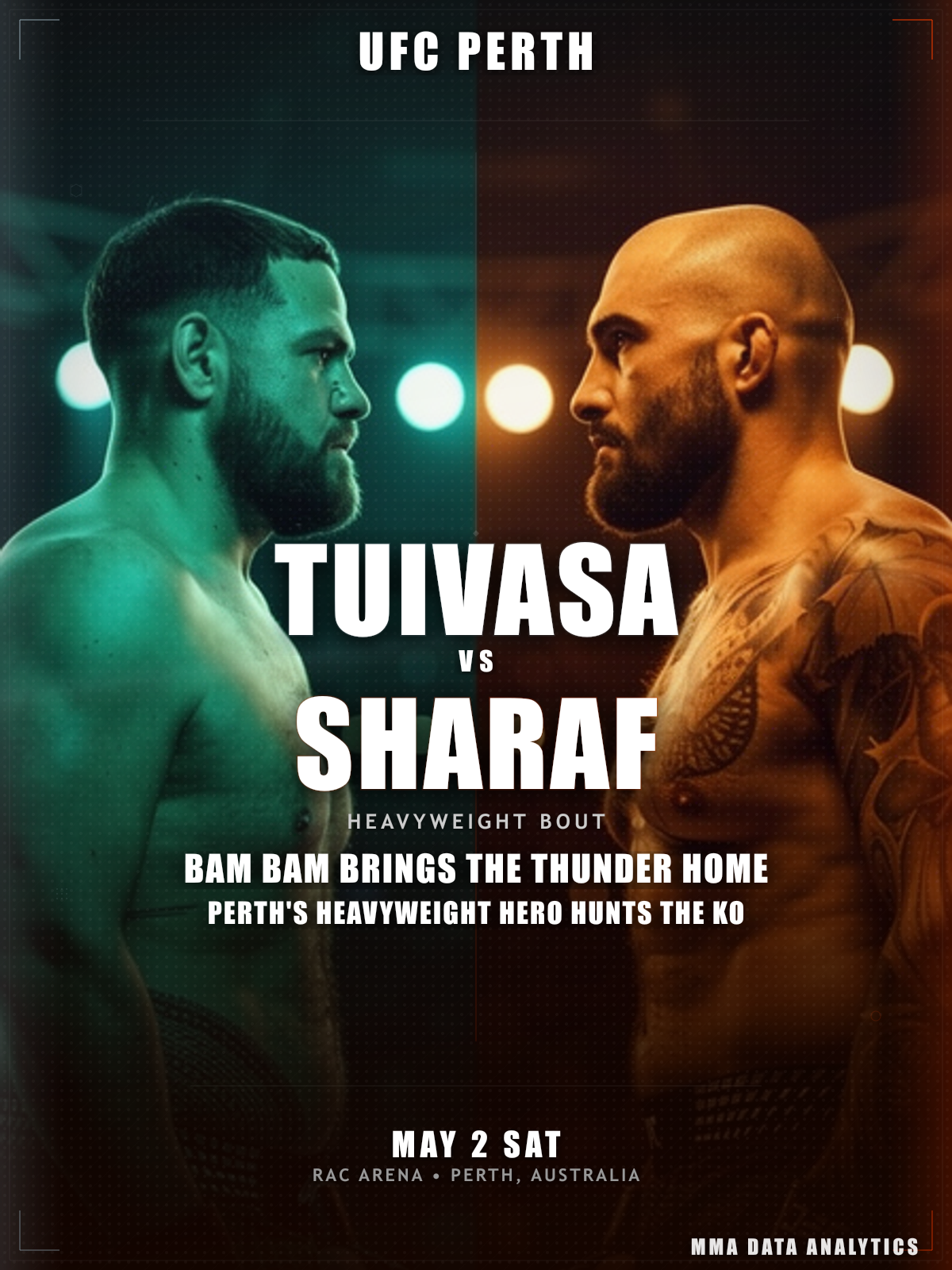
Tai Tuivasa vs Sean Sharaf
Men's Heavyweight Bout • UFC Fight Night: Della Maddalena vs Prates
Saturday, May 2, 2026 • 30ft Octagon (Large Cage)
Explore Detailed Fighter Profiles
Click on either the fighter's name or profile image for each fighter to access comprehensive UFC statistics including striking metrics, grappling data, clinch performance, complete fight history, offensive & defensive analytics, and round-by-round breakdowns.
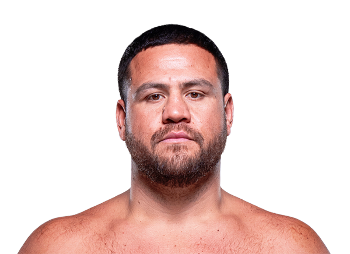
Tai Tuivasa
Fighter Metrics
Victory Methods
Win Round Distribution
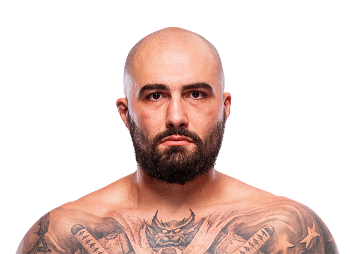
Sean Sharaf
Fighter Metrics
Victory Methods
Win Round Distribution
📋 Last 5 Fights - Tai Tuivasa
| Date | Opponent | Result | Method |
|---|---|---|---|
| 2026-01-31 | Tallison Teixeira | L | Decision - Unanimous (R3, 5:00) |
| 2024-08-17 | Jairzinho Rozenstruik | L | Decision - Split (R3, 5:00) |
| 2024-03-16 | Marcin Tybura | L | Submission - Rear Naked Choke (R1, 4:08) |
| 2023-09-09 | Alexander Volkov | L | Submission - Ezekiel Choke (R2, 4:37) |
| 2022-12-03 | Sergei Pavlovich | L | TKO - Punches (R1, 0:54) |
📋 Last 5 Fights - Sean Sharaf
| Date | Opponent | Result | Method |
|---|---|---|---|
| 2025-12-13 | Steven Asplund | L | TKO - Punches (R2, 3:49) |
| 2024-10-12 | Junior Tafa | L | TKO - Punches (R2, 2:15) |
| 2024-09-06 | LJ Torres | W | TKO - Overhand Right (R1, 3:19) |
| 2024-04-04 | Chadricc Kindle | W | TKO - Ground & Pound (R1, 4:31) |
| 2023-07-01 | Nathan Mullett | W | TKO - Punches to GNP (R1, 0:09) |
Technical Analysis
Technical Score
Cardio Score
Overall Rating
📊 Technical Score
Calculated as the average of Striking Composite (52.0 vs 48.0) and Grappling Composite (18.0 vs 22.0). Balances overall striking effectiveness with grappling ability to measure complete technical skills.
💪 Cardio Score
Based on average fight duration, striking rate per minute, takedown rate, and finish rate. Measures cardiovascular endurance and ability to maintain pace throughout fights.
🎯 Overall Rating
Simple average of Technical Score and Cardio Score. Provides a holistic view of fighter capabilities combining skill level with physical conditioning and fight performance.
Striking Composite
Grappling Composite
📊 Technical Radar Comparison
📊 Metrics Legend
📊 Detailed Statistical Comparison
🥊 Fight Analysis Breakdown
🧩 Tai Tuivasa Key Advantages
Tuivasa's 17 UFC fights compared to Sharaf's 2 creates a massive experience gap that often proves decisive in heavyweight bouts. Despite his current losing streak, Tuivasa has competed against elite heavyweights including Ciryl Gane, Sergei Pavlovich, and Alexander Volkov. This octagon time translates to better cage awareness, composure under fire, and understanding of range management. He's been in deep waters before and knows how to manage adrenaline dumps—something that often catches younger heavyweights off guard. His 5-fight winning streak earlier in his career (including KOs of Derrick Lewis and Augusto Sakai) proves he has the tools to dominate when his timing is right.
Tuivasa absorbs 5.18 significant strikes per minute compared to Sharaf's alarming 9.79 SApM. This 4.61 strike absorption differential is enormous at heavyweight where every clean shot carries fight-ending potential. Sharaf's willingness to trade and absorb damage has already cost him both UFC fights—he was stopped by TKO in both outings. Tuivasa's ability to slip and roll with punches, combined with his iron chin (he's only been stopped by strikes 4 times in 23 fights), gives him a significant durability advantage. In a three-round firefight, absorbing nearly 10 strikes per minute is unsustainable at heavyweight.
With 13 of his 14 wins coming by KO/TKO, Tuivasa is one of the most prolific knockout artists in UFC heavyweight history. His 92.9% finish rate demonstrates that when he connects cleanly, fights end. Tuivasa's power comes from his raw athleticism and ability to generate torque on his overhand right, left hooks, and uppercuts. Against Sharaf—who has been stopped by strikes in both UFC fights—Tuivasa's fight-ending power becomes even more significant. One clean connection could end this fight at any point in three rounds, and Sharaf's high-volume, low-defense style creates frequent openings for counters.
⚠️ Unfavorable Scenarios
Sharaf's 7.31 SLpM output nearly doubles Tuivasa's 3.77, creating scenarios where sheer volume could overwhelm Tuivasa's defensive shell. If Sharaf can maintain this pace while avoiding clean counters, he could accumulate enough damage to either stop Tuivasa or build an insurmountable points lead. Tuivasa's 44% striking defense means over half of incoming strikes land clean, and against a high-output opponent like Sharaf, that's a dangerous equation.
Tuivasa's 5-fight losing streak raises serious questions about his confidence and mental state entering this bout. Losing streaks at heavyweight can erode a fighter's willingness to commit to exchanges and pull the trigger on power shots. The psychological toll of consecutive losses—including submissions and decisions—may have fundamentally changed how Tuivasa approaches fights, making him more hesitant and reactive rather than the aggressive, walk-forward brawler that earned him his highlight-reel knockouts.
📋 Likely Gameplan
Tuivasa's best strategy is to let Sharaf come forward with his high-volume output and look for clean counter opportunities. Sharaf's 9.79 SApM absorption rate means he leaves himself open constantly. Tuivasa should stay patient, use his head movement and footwork, and time overhand rights and left hooks as Sharaf overextends. The key is avoiding extended exchanges where Sharaf's volume advantage materializes, instead picking precise moments to unleash fight-ending power shots.
Tuivasa should target Sharaf's body early to slow the younger fighter's output and test his cardio. Body shots at heavyweight are devastating and can sap a fighter's willingness to maintain volume. Walking forward behind a jab and throwing body hooks in the clinch would force Sharaf into uncomfortable exchanges and exploit his tendency to absorb strikes while throwing. If Tuivasa can get Sharaf backing up, the fight dynamics shift dramatically in his favor.
🚀 Sean Sharaf Key Advantages
Sharaf's 7.31 significant strikes landed per minute is nearly double Tuivasa's 3.77, creating an enormous volume differential. At heavyweight, this level of output is extremely rare and creates constant pressure that can overwhelm defensive fighters. Sharaf's willingness to throw in bunches and maintain a relentless pace forces opponents into reactive positions. While his accuracy (45%) is slightly lower than Tuivasa's (47%), the sheer number of strikes he throws means he's landing significantly more total shots. Against a fighter on a 5-fight losing streak, this volume could be psychologically devastating—each clean shot eroding Tuivasa's willingness to engage.
At 6'3" with a 77-inch reach, Sharaf holds meaningful physical advantages over the 6'2" Tuivasa with 75-inch reach. This 2-inch reach differential allows Sharaf to establish distance with jabs and straights while staying outside Tuivasa's most dangerous range. At 28 years old, Sharaf also has a 5-year youth advantage that translates to better reflexes, recovery time, and explosiveness. His longer frame and younger legs give him the ability to maintain range and circle away from Tuivasa's power—a critical factor in a standup war between two strikers.
⚠️ Unfavorable Scenarios
Sharaf's 9.79 strikes absorbed per minute is one of the highest rates in the UFC heavyweight division. Against a proven knockout artist like Tuivasa who has 13 KO/TKO wins, absorbing this much damage is extremely dangerous. Sharaf has been TKO'd in both UFC appearances, suggesting his chin and defensive capabilities may not be UFC-caliber. Tuivasa's counter-punching ability— particularly his overhand right and left hook—could end the fight the moment Sharaf overcommits to an exchange and leaves his chin exposed.
With only 2 UFC fights—both losses by TKO—Sharaf has yet to prove he belongs at the highest level of MMA heavyweight competition. The speed, timing, and power differential between regional promotions and the UFC is significant. His aggressive, high-output style that worked on the regional scene has left him vulnerable against UFC-caliber opponents who can time his entries and exploit his defensive lapses. Fighting in Perth against the hometown crowd favorite Tuivasa adds another layer of pressure that inexperienced fighters often struggle to manage.
📋 Likely Gameplan
Sharaf's best path to victory is maintaining his trademark high output from the opening bell. His 7.31 SLpM pace should target Tuivasa with long jabs, straight rights, and combinations to test the Australian's willingness to engage. Using his reach advantage to stay at the end of his punches while throwing in bunches could overwhelm Tuivasa's 44% striking defense. The key is maintaining this volume without getting sloppy or overextending—staying disciplined with his combinations while keeping his chin tucked.
With his 77-inch reach advantage, Sharaf should establish a stiff jab to control distance and set up power shots. Circling off the centerline and avoiding stationary exchanges where Tuivasa's counter power is most dangerous will be critical. If Sharaf can maintain lateral movement while peppering Tuivasa with long-range strikes, he can accumulate damage without entering the pocket where Tuivasa has historically landed his most devastating knockout blows.
🎯 Fight Prediction Analysis
Data-driven prediction model based on statistical analysis
📊Detailed Analysis Summary
🏟️Cage Dynamics
The 30-foot octagon in Perth's RAC Arena provides ample space for both fighters to operate. For Tuivasa, the large cage means more room to set up his counter shots and avoid getting cornered by Sharaf's volume. For Sharaf, the extra space allows him to utilize his reach advantage and circle away from danger. The hometown crowd will be firmly behind Tuivasa, which could either fuel his performance or add pressure to a fighter already dealing with the weight of a 5-fight losing streak. In heavyweight bouts in large cages, fighters who can cut off the ring effectively tend to have success—and Tuivasa's forward pressure style is well-suited for this.
🎯Technical Breakdown
This is a classic power vs. volume heavyweight matchup. Tuivasa's 47% striking accuracy edges Sharaf's 45%, but the real story is in the output differential: Sharaf throws nearly twice as many strikes per minute (7.31 vs 3.77). The critical question is whether Sharaf can maintain this volume without leaving himself open to Tuivasa's counter power. Both fighters have minimal grappling—Tuivasa has zero takedowns per 15 minutes and Sharaf has only 2.07 with 13% accuracy— meaning this fight will almost certainly be decided on the feet. The fighter who can impose their preferred pace and distance will likely win.
🧩Key Battle Areas
Three critical factors will determine the outcome: first, whether Tuivasa can time Sharaf's entries and land clean counter power shots through the volume; second, whether Sharaf can maintain his 7.31 SLpM pace while keeping his chin protected against a proven finisher; and third, which fighter handles the pressure better— Tuivasa fighting in front of his home crowd on a 5-fight skid, or Sharaf trying to earn his first UFC win in hostile territory. At heavyweight, one clean shot changes everything, making this fight inherently unpredictable despite the statistical analysis.
🏁Final Prediction
The most likely outcome is Tuivasa by KO/TKO (30% probability), achieved through patient counter-punching and exploiting Sharaf's defensive vulnerabilities. Sharaf's KO/TKO path (28%) is nearly as likely, relying on overwhelming volume and catching Tuivasa in exchanges. Tuivasa by Decision (15%) requires him to outpoint Sharaf over three rounds—possible but unlikely given his low output. Sharaf by Decision (12%) requires maintaining volume without getting stopped. This is a true coin-flip heavyweight bout where both fighters have legitimate paths to victory, with the fight most likely ending by stoppage.
💰 Betting Analysis: Model vs Market
Detailed value assessment in the betting market
📊Market Odds
🤖Analytical Model
💎Value Opportunities
MAXIMUM VALUE
Model: 30% | Fair: +233
GOOD VALUE
Model: 28% | Fair: +257
SLIGHT VALUE
Model: 42% | Fair: +138
⚠️Key Market Discrepancies
- • Both fighters on losing streaks – Market may undervalue Tuivasa's experience and KO power.
- • Heavyweight volatility – High KO rate means any fight can end at any moment regardless of skill gap.
- • Home crowd factor – Tuivasa fighting in Perth adds intangible energy that models cannot capture.
🎯 Comprehensive Probabilistic Analysis
100 hypothetical fight simulation based on statistical data
🏆Outcome Distribution - Tai Tuivasa
Primary path via counter power shots and overhand rights
Outpoint Sharaf with cleaner, more efficient striking
Unlikely but possible if fight goes to ground
💥Outcome Distribution - Sean Sharaf
Best lane via high volume overwhelming Tuivasa
Requires maintaining volume for three full rounds
Low submission profile for both fighters
⏰Fight Timeline Analysis
⚡Window of Opportunity - Sean Sharaf
- • First 5 minutes: Highest KO equity when fresh and volume is highest.
- • Range control: Use jab + reach to stay outside Tuivasa's pocket.
- • Volume bursts: Overwhelm before Tuivasa can time counters.
🎯Progressive Advantage - Tai Tuivasa
- • Patient counters: Let Sharaf overextend and time power shots.
- • Body work: Slow Sharaf's output with body shots.
- • Late rounds: Experience and durability become decisive factors.
🎯 Final Confidence Assessment
Confidence level and uncertainty factors
Confidence Level
Unpredictable heavyweight bout with both fighters on losing streaks
✅Supporting Factors
- • Tuivasa's 17 UFC fights vs Sharaf's 2 (experience gap)
- • Lower SApM and better damage economy for Tuivasa
- • 13 KO/TKO wins demonstrate proven finishing power
- • Home crowd support in Perth, Australia
⚠️Risk Factors
- • Tuivasa on a 5-fight losing streak (confidence concern)
- • Sharaf's nearly 2x striking volume output
- • Heavyweight volatility—one punch changes everything
🏁Executive Summary
Tai Tuivasa vs Sean Sharaf is a volatile heavyweight matchup between two fighters searching for answers—Tuivasa looking to snap a devastating 5-fight losing skid in front of his home crowd, and Sharaf trying to earn his first UFC victory. The statistical picture is mixed: Tuivasa holds significant advantages in experience (17 vs 2 UFC fights), damage economy (5.18 vs 9.79 SApM), and proven knockout power (13 KO/TKO wins). However, Sharaf's massive volume output (7.31 vs 3.77 SLpM) and physical advantages (+2" reach, +1" height, 5 years younger) create legitimate paths to victory. Both fighters are primarily strikers with minimal grappling, meaning this fight will almost certainly be decided on the feet.
Prediction: Tuivasa by KO/TKO most likely (30% probability) through patient counter-punching against Sharaf's reckless volume; Sharaf's best path is KO/TKO (28%) via overwhelming output before Tuivasa can time his entries. This is one of the most unpredictable fights on the card—a true heavyweight coin flip where either man can end it with a single shot. Low confidence (4/10) reflects the inherent volatility of two losing-streak heavyweights colliding.