

Mason Jones vs Axel Sola
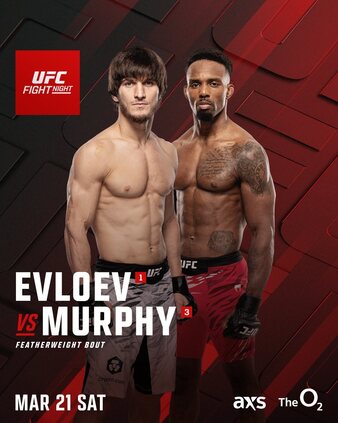
Lightweight Bout • UFC Fight Night: Evloev vs. Murphy
Saturday, March 21, 2026 • O2 Arena, London
Explore Detailed Fighter Profiles
Click on either the fighter's name or profile image for each fighter to access comprehensive UFC statistics including striking metrics, grappling data, clinch performance, complete fight history, offensive & defensive analytics, and round-by-round breakdowns.

Mason Jones
Fighter Metrics
Victory Methods
Win Round Distribution
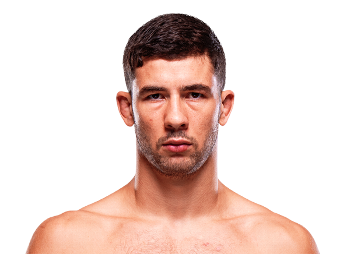
Axel Sola
11-0-1
Axel Sola
Fighter Metrics
Victory Methods
Win Round Distribution
📋 Last 5 Fights - Mason Jones
| Date | Opponent | Result | Method |
|---|---|---|---|
| Sep 06, 2025 | Bolaji Oki | W | KO/TKO (R2, 3:18) |
| May 03, 2025 | Jeremy Stephens | W | U-DEC (R3, 5:00) |
| Jul 25, 2024 | Michael Pagani | W | U-DEC (R3, 5:00) |
| Feb 23, 2024 | Bryce Logan | W | KO/TKO (R2, 2:45) |
| Oct 14, 2023 | Yann Liasse | W | KO/TKO (R2, 4:24) |
📋 Last 5 Fights - Axel Sola
| Date | Opponent | Result | Method |
|---|---|---|---|
| Sep 06, 2025 | Rhys McKee | W | KO/TKO (R3, 2:02) |
| Jun 14, 2025 | Ghiles Oudelha | W | U-DEC (R3, 5:00) |
| Jan 18, 2025 | Lucas Caio | W | KO/TKO (R2, 3:43) |
| Sep 26, 2024 | Soslan Gagloev | W | KO/TKO (R2, 4:59) |
| Jun 14, 2024 | Daguir Imavov | D | M-DEC (R3, 5:00) |
Technical Analysis
Technical Score
Cardio Score
Overall Rating
📊 Technical Score
Calculated as the average of Striking Composite (66.0 vs 66.0) and Grappling Composite (78.0 vs 55.0). Balances overall striking effectiveness with grappling ability to measure complete technical skills.
💪 Cardio Score
Based on average fight duration, striking rate per minute, takedown rate, and finish rate. Measures cardiovascular endurance and ability to maintain pace throughout fights.
🎯 Overall Rating
Simple average of Technical Score and Cardio Score. Provides a holistic view of fighter capabilities combining skill level with physical conditioning and fight performance.
Striking Composite
Grappling Composite
Technical Radar Comparison
Visual comparison of key performance metrics between both fighters
📊 Detailed Statistical Comparison
🥊 Fight Analysis Breakdown
🧩 Mason Jones Key Advantages
Jones's 4.17 takedowns per 15min vs Sola's 1.25 represents a 3.3x differential that fundamentally shifts fight control. Jones's chain-wrestling sequences—knee-tap entries, outside singles, mat returns, and body-lock drives—create minute-winning cycles that accumulate control time. His 55% takedown accuracy combined with Sola's untested 0% UFC takedown defense (only 1 fight sample) creates an enormous exploitation window. The Welshman's ability to chain multiple attempts and maintain pressure while Sola defends creates fatigue differentials that compound over three rounds, especially against a fighter cutting from welterweight.
Jones outputs 5.71 significant strikes per minute—one of the highest rates in the lightweight division—creating relentless offensive pressure that forces opponents into reactive modes. While his 41% accuracy is below average, the sheer volume overwhelms defensive systems over time. Against Sola's karate-based style that thrives on timing and clean counter-striking, Jones's constant output disrupts the rhythm that Sola needs to land clean shots. The Welshman's ability to mix striking with takedown threats creates a multi-dimensional offensive that is difficult to defend against simultaneously.
Fighting at the O2 Arena in London gives Jones a massive home-crowd advantage that could be decisive in close rounds. The Welsh Dragon's aggressive, fan-friendly style feeds off crowd energy, and the hostile atmosphere could negatively impact Sola's composure in his first fight outside familiar territory. Jones's 12:35 average fight duration with 65% finish rate shows he maintains pace while hunting finishes. His cardio score of 70 vs Sola's 55 suggests better conditioning over three rounds, especially significant given Sola's weight cut from welterweight to lightweight which could compromise his late-round endurance.
⚠️ Unfavorable Scenarios
Sola's karate-based striking creates dangerous counter opportunities when Jones commits to level changes. The Frenchman's 75% striking defense and elusive footwork allow him to time intercept strikes—front kicks, knees, and uppercuts—as Jones drops his level for takedowns. If Sola can consistently punish Jones's entries with clean counters, it could deter the wrestling game and force a purely striking fight where Sola's technical superiority becomes the decisive factor.
If the fight remains at kicking range, Sola's 4-inch height advantage (6'2" vs 5'10") and southpaw stance create significant problems for Jones. Sola's 42% striking accuracy is comparable to Jones's 41%, but the Frenchman absorbs far less damage (2.74 SApM vs 4.47). The large 30-foot cage provides ample space for Sola to circle, reset, and maintain his preferred striking distance. If Jones fails to close the gap consistently, Sola's technical counter-striking and distance management could accumulate enough clean shots to sway judges.
📋 Likely Gameplan
Jones should utilize body-lock entries off the fence to exploit Sola's untested takedown defense. By closing distance with jab feints and low kicks to force Sola into a high guard, Jones can create openings for level changes and body-lock drives. His 55% takedown accuracy against Sola's karate stance—which inherently leaves the hips more exposed—creates favorable angles for chain wrestling. Jones should prioritize cage-cutting to limit the space Sola needs for his counter-fighting style.
Once Jones secures the clinch or fence position, his priority should be dirty boxing and short elbows to accumulate damage while neutralizing Sola's range weapons. Jones's compact build at 5'10" gives him a leverage advantage in close quarters against the taller Sola. By mixing clinch strikes with takedown attempts, Jones can bank minutes through positional control while minimizing Sola's counter-striking opportunities. The Welshman's 81% takedown defense also means he can maintain top position once established.
🚀 Axel Sola Key Advantages
Sola's 75% striking defense is elite-level for the lightweight division and represents his most significant statistical advantage. Combined with his 4-inch height advantage (6'2" vs 5'10") and karate-based evasive footwork, Sola is extremely difficult to hit cleanly. His southpaw stance creates awkward angles for orthodox fighters like Jones, forcing the Welshman to adjust his entries and combinations. Sola absorbs only 2.74 strikes per minute compared to Jones's 4.47, demonstrating a damage economy that favors the Frenchman in scoring optics if the fight remains standing.
Sola's karate-based striking creates unique timing and distance puzzles that pressure fighters struggle to solve. His undefeated 11-0-1 record across 12 professional fights demonstrates consistent ability to impose his style. The Frenchman's 42% striking accuracy matches Jones's 41%, but his shots tend to be cleaner and more photogenic for judges. Sola's ability to counter off the back foot and time entries with precision strikes—particularly his straight left hand from southpaw—creates knockout equity that Jones must respect. His 6 KO/TKO wins from 11 victories show legitimate finishing power.
⚠️ Unfavorable Scenarios
Sola's 0% UFC takedown defense (from only 1 fight) is the most alarming statistical vulnerability in this matchup. Against Jones's 4.17 TD/15min rate and 55% accuracy, Sola faces a relentless wrestling attack that could neutralize his striking advantage entirely. Once on the ground, Sola has shown limited ability to work off his back or scramble effectively—his grappling composite score of 30 vs Jones's 60 highlights this gap. If Jones establishes consistent takedowns, Sola's striking output drops to near zero while Jones accumulates control time and scoring opportunities.
Sola is a natural welterweight cutting to 155 lbs, which introduces significant cardio uncertainty. The weight cut could compromise his late-round endurance, particularly if Jones establishes a grinding, wrestling-heavy pace that forces Sola to expend energy defending takedowns. Sola's cardio score of 55 vs Jones's 70 suggests the Frenchman may struggle to maintain his striking output as the fight progresses. Combined with the hostile London crowd atmosphere and the pressure of fighting outside his comfort zone, Sola's physical and mental reserves could deplete faster than expected.
📋 Likely Gameplan
Sola's optimal strategy involves maintaining distance at kicking range while threatening counter strikes from his southpaw stance. His front kicks, side kicks, and straight left hand should target Jones's center line as the Welshman pressures forward. The Frenchman should use lateral movement to avoid the fence and prevent Jones from establishing clinch positions. When Jones commits to level changes, Sola should threaten knees and uppercuts to deter entries. The key is maintaining distance while landing clean, scoring shots that demonstrate control to judges.
Sola's best chance for victory lies in out-pointing Jones through clean, technical striking over three rounds. The Frenchman should focus on accumulating clear, impactful shots that score well on judges' cards rather than engaging in volume exchanges. His karate-based style naturally produces photogenic, clean strikes that judges tend to score favorably. If Sola can stuff early takedowns and establish his striking rhythm, Jonas's forward pressure becomes a target-rich environment for counter combinations. The key is winning the first two rounds decisively before Jones's grinding style takes effect in the third.
🎯 Fight Prediction Analysis
Data-driven prediction model based on statistical analysis
📊Detailed Analysis Summary
🏟️Cage Dynamics
The 30-foot octagon creates a nuanced dynamic in this matchup—initially favoring Sola's karate-based movement and counter-striking, but gradually shifting toward Jones's pressure as rounds progress. Sola's 4-inch height advantage (6'2" vs 5'10") and southpaw angles give him significant advantages when maintaining distance. However, Jones's relentless pressure and chain-wrestling sequences gradually compress the available space, forcing Sola into increasingly uncomfortable positions against the fence. Fighting at the O2 Arena in London gives Jones a massive home-crowd advantage that energizes his aggressive style and could negatively impact Sola's composure in his first fight outside familiar territory.
🎯Technical Breakdown
The statistical analysis reveals two primary battlefields where this fight will be decided: wrestling activity and striking defense. Jones's 4.17 TD/15 vs Sola's 1.25 represents a 3.3x differential that fundamentally alters fight control. While Sola's defensive striking (75% StrDef) creates impressive efficiency, Jones's volume output (5.71 SLpM) overwhelms defensive systems over time. The grappling composite disparity (Jones 60 vs Sola 30) means that once the fight goes to the ground, Jones has a decisive advantage in control and damage. Sola's 0% UFC takedown defense (limited sample) is the most critical unknown—if it remains near zero, Jones dominates; if it improves to 40-50%, the fight becomes significantly more competitive on the feet.
🧩Key Battle Areas
Three critical battle areas will determine the outcome: takedown defense vs chain wrestling at the fence, southpaw counter-striking vs forward pressure, and late-round pace durability. Sola's 0% UFC takedown defense creates the primary vulnerability—if Jones can consistently get the fight to the ground, his top control and ground-and-pound should be decisive. The Frenchman's intercept weapons (front kicks, knees, straight left) represent his most dangerous tools against Jones's level changes. As the fight progresses, Jones's superior cardio (70 vs 55) becomes increasingly decisive, especially combined with the weight cut burden on Sola and the hostile London crowd atmosphere.
🏁Final Prediction
The most likely outcome is Mason Jones by KO/TKO (28% probability), achieved through ground-and-pound following takedowns or accumulated standing damage in pressure sequences. Jones's decision path (24%) represents the second most likely outcome through consistent wrestling pressure and volume striking over three rounds. Sola's upset lane centers on KO/TKO (20%) via counter-striking from his southpaw stance—timing left straights and body shots as Jones pressures forward. The Frenchman's decision path (14%) requires maintaining distance control throughout 15 minutes while his elite 75% striking defense outpoints Jones's volume.
💰 Betting Analysis: Model vs Market
Detailed value assessment in the betting market
📊Market Odds
🤖Analytical Model
💎Value Opportunities
MAXIMUM VALUE
Model: 24% | Fair: +317
GOOD VALUE
Model: 28% | Fair: +257
SLIGHT VALUE
Model: 20% | Fair: +400
⚠️Key Market Discrepancies
- • Wrestling vs Defense unknown – Sola's 0% TDD from 1 fight creates pricing uncertainty.
- • Weight cut impact – Sola cutting from welterweight creates late-round cardio risk.
- • Home venue advantage – London O2 crowd could swing close rounds for Jones.
🎯 Comprehensive Probabilistic Analysis
100 hypothetical fight simulation based on statistical data
🏆Outcome Distribution - Mason Jones
Primary path via fence control and rides
Attritional GNP and accumulative pressure
Back-takes off rides create RNC chances
💥Outcome Distribution - Axel Sola
Best lane via intercepts and counters
Requires extended range control in big cage
Low historical submission profile
⏰Fight Timeline Analysis
⚡Window of Opportunity - Axel Sola
- • First 7–10 minutes: Highest intercept KO equity.
- • Perimeter control: Teeps + calf kicks to stall entries.
- • Short pockets: Burst then reset; avoid extended clinch.
🎯Progressive Dominance - Mason Jones
- • Chain shots: Re-mats and rides bank control and sap pace.
- • Damage economy: Keep exchanges short; minimize risk.
- • Late minutes: Safer control edges decision likelihood.
🎯 Final Confidence Assessment
Confidence level and uncertainty factors
Confidence Level
Strong edge via wrestling cycles and safer damage profile
✅Supporting Factors
- • Significant takedown volume edge (3.25 vs 0.73 TD15)
- • Lower SApM and better damage economy
- • Ride control creates safe scoring minutes
- • Proven cardio over three rounds; scalable to five
⚠️Risk Factors
- • Intercept knees/uppercuts vs level changes
- • Big cage extends early range time
- • Hooker's high-volume surges in pockets
🏁Executive Summary
Arman Tsarukyan's systematic approach to fight control should steadily compress the 30-foot octagon space and bank safe minutes through chain-wrestling sequences, while Dan Hooker's best equity centers on early intercept strikes and range weapons before the Georgian's pressure takes hold. The statistical differentials heavily favor Tsarukyan: his 3.25 TD15 vs Hooker's 0.73 creates a 4.4x takedown volume advantage, while his 1.84 SApM vs Hooker's 4.72 represents superior damage economy that compounds over five rounds. Tsarukyan's 12:36 average fight duration with 70% of wins in Round 3 demonstrates exceptional cardio management, while Hooker's 10:13 duration suggests struggles maintaining his high-volume approach over extended periods. The Georgian's ability to minimize damage while maximizing control time creates a scoring framework that judges consistently reward, especially in championship rounds where damage accumulation becomes visually apparent.
Prediction: Tsarukyan by Decision most likely (40% probability) through consistent takedown pressure and control time accumulation; Hooker's upset lane is early KO/TKO (18%) via intercept knees or uppercuts as Tsarukyan commits to shots. The fight's outcome hinges on whether Hooker can capitalize on his early range advantages before Tsarukyan's wrestling pressure and superior cardio become decisive factors.