

Kurtis Campbell vs Danny Silva
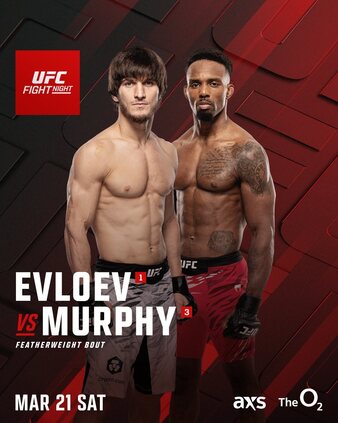
Middleweight Bout • UFC Fight Night: Evloev vs. Murphy
Saturday, March 21, 2026 • O2 Arena, London
Explore Detailed Fighter Profiles
Click on either the fighter's name or profile image for each fighter to access comprehensive UFC statistics including striking metrics, grappling data, clinch performance, complete fight history, offensive & defensive analytics, and round-by-round breakdowns.

Kurtis Campbell
8-0-0
Kurtis Campbell
Fighter Metrics
Victory Methods
Win Round Distribution
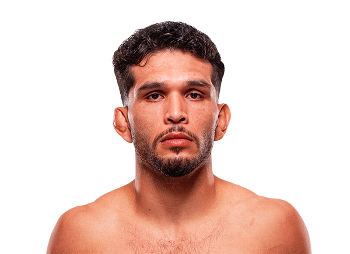
Danny Silva
10-2-0
Danny Silva
Fighter Metrics
Victory Methods
Win Round Distribution
📋 Last 5 Fights - Kurtis Campbell
| Date | Opponent | Result | Method |
|---|---|---|---|
| Sep 28, 2025 | Zach Reese | W | KO/TKO (R2, 4:15) |
| Jun 28, 2025 | Joseph Pyfer | W | U-DEC (R3, 5:00) |
| Nov 09, 2024 | Tom Sherrin | W | SUB (R2, 3:45) |
| Jun 22, 2024 | Brad Sherrin | W | SUB (R1, 2:30) |
| Mar 09, 2024 | Nathan Kelly | W | KO/TKO (R1, 1:45) |
📋 Last 5 Fights - Danny Silva
| Date | Opponent | Result | Method |
|---|---|---|---|
| Sep 28, 2025 | Ricardo Ramos | W | KO/TKO (R1, 4:30) |
| May 10, 2025 | Chris Curtis | L | U-DEC (R3, 5:00) |
| Oct 12, 2024 | Bruno Lopes | W | KO/TKO (R2, 3:22) |
| Jun 01, 2024 | Tomas Cardona | W | KO/TKO (R1, 2:15) |
| Jan 20, 2024 | Arthur Cunha | W | KO/TKO (R1, 1:50) |
Technical Analysis
Technical Score
Cardio Score
Overall Rating
📊 Technical Score
Calculated as the average of Striking Composite (66.0 vs 66.0) and Grappling Composite (78.0 vs 55.0). Balances overall striking effectiveness with grappling ability to measure complete technical skills.
💪 Cardio Score
Based on average fight duration, striking rate per minute, takedown rate, and finish rate. Measures cardiovascular endurance and ability to maintain pace throughout fights.
🎯 Overall Rating
Simple average of Technical Score and Cardio Score. Provides a holistic view of fighter capabilities combining skill level with physical conditioning and fight performance.
Striking Composite
Grappling Composite
Technical Radar Comparison
Visual comparison of key performance metrics between both fighters
📊 Detailed Statistical Comparison
🥊 Fight Analysis Breakdown
🧩 Kurtis Campbell Key Advantages
Campbell's 3.18 takedowns per 15 minutes against Silva's complete absence of takedown activity (0.00 TD/15) creates a total monopoly on fight location. With 50% takedown accuracy and Silva defending only 25% of attempts, Campbell can dictate where this fight takes place at will. His wrestling background allows him to chain multiple attempts, use fence pressure to secure takedowns, and accumulate control time that dominates scorecards. This grappling disparity is the single most decisive factor in this matchup.
Campbell's perfect 100% takedown defense in his UFC career ensures this fight plays out on his terms. While Silva has zero takedown attempts on record, any desperation grappling attempts will be completely shut down. This defensive wrestling creates a one-way street where Campbell can take the fight down at will but never be taken down himself, allowing him to choose the most advantageous positions and control the fight's pace entirely.
Campbell's perfect 8-0 record reflects a fighter who has never tasted defeat and carries supreme confidence into every bout. His diverse finishing ability—3 KO/TKOs, 3 submissions, 2 decisions—shows a well-rounded threat who can win in any situation. Fighting in his home country at the O2 Arena in London gives Campbell a significant crowd advantage and emotional boost. His recent victories over Zach Reese (KO/TKO) and Joseph Pyfer (U-DEC) demonstrate he can compete against rising UFC talent.
⚠️ Unfavorable Scenarios
Silva's Muay Thai background and devastating knockout power (7 KO/TKOs in 10 wins) represent the primary danger for Campbell. If Campbell becomes predictable with his takedown entries and telegraphs level changes, Silva's knees, elbows, and power hooks could intercept him cleanly. Campbell's 50% striking defense and 4.67 strikes absorbed per minute suggest he can be hit, and Silva has the power to capitalize on openings in the pocket.
If the fight stays standing for extended periods, Silva's Muay Thai pedigree gives him dangerous weapons in the clinch and at mid-range. His 4.09 SLpM output combined with devastating knockout power means every clean shot carries fight-ending potential. Campbell's 50% striking accuracy is slightly higher but his defensive metrics (50% Str Def) suggest vulnerability—if Silva can keep the fight in his preferred range, the power differential could be decisive.
📋 Likely Gameplan
Campbell should look to close distance early with jab feints and low kicks before committing to level changes and chain-wrestling sequences. Against Silva's 25% takedown defense, Campbell can establish his wrestling quickly and accumulate control time. Using fence pressure to secure body locks and execute trips, Campbell can drain Silva's energy while banking safe scoring minutes. The key is mixing his striking entries with takedown threats to keep Silva guessing.
Once Campbell secures takedowns, he should prioritize establishing dominant positions and hunting for finishes. With 3 submission wins and 3 KO/TKO wins in his career, Campbell has the versatility to threaten from top position with both ground-and-pound and submission attempts. Silva's lack of grappling experience (0 TD attempts, 8 composite grappling score) makes him vulnerable on the mat, and Campbell's ability to maintain top position while working toward finishes should be his primary path to victory.
🚀 Danny Silva Key Advantages
Silva's devastating knockout power is his primary weapon—7 of his 10 wins have come via KO/TKO, representing a 70% finishing rate by strikes. His Muay Thai background gives him a diverse arsenal including elbows, knees, and power hooks that can end the fight at any moment. His 4.09 SLpM output combined with fight-ending power means every clean shot carries knockout potential. If he can keep the fight standing and land his Muay Thai weapons cleanly, Silva has the one-punch power to overcome any statistical disadvantage.
Silva's 4.09 SLpM output gives him a slight volume advantage over Campbell's 3.44 SLpM. Combined with his Muay Thai arsenal—knees in the clinch, elbows in close, and devastating hooks from mid-range—Silva can create significant damage opportunities when the fight stays standing. His ability to string together powerful combinations and maintain offensive pressure makes him dangerous in the pocket. If Campbell hesitates to shoot or gets caught in striking exchanges, Silva's volume and power combination becomes his most dangerous asset.
⚠️ Unfavorable Scenarios
Campbell's chain-wrestling sequences create a nightmare scenario for Silva—with only 25% takedown defense and zero offensive wrestling, Silva has no answer once the fight hits the mat. Campbell's 3.18 TD/15 means he'll be shooting frequently, and Silva's limited grappling experience (composite score of 8) means each takedown likely leads to extended control time. Once grounded, Silva's Muay Thai weapons are largely neutralized, and Campbell can accumulate damage and scoring opportunities with minimal risk.
If Silva is forced to defend takedowns repeatedly and fight off his back, his energy reserves will deplete rapidly. His Muay Thai-focused training doesn't prepare him for the sustained grappling exchanges that Campbell will impose. As fatigue accumulates from defending takedowns and fighting off the mat, Silva's striking power and accuracy will diminish, removing his primary path to victory. His 2 losses both came against fighters who could impose grappling pressure, highlighting this recurring vulnerability.
📋 Likely Gameplan
Silva's optimal strategy is to front-load damage in the early portion of the fight before Campbell's wrestling pressure intensifies. Using his Muay Thai arsenal—teeps to maintain distance, knees as Campbell commits to level changes, and sharp elbows in the clinch—Silva needs to establish respect early and deter takedown attempts. His best windows come when Campbell is cautious about shooting, allowing Silva to work his combinations freely and potentially score a knockout before the grappling takes over.
When Campbell closes distance for takedowns, Silva should look to establish the Thai clinch and deliver devastating knees and elbows. His Muay Thai background makes the clinch a weapon rather than just a defensive position. By threatening heavy knees as Campbell shoots, Silva can punish entries and make Campbell think twice about his wrestling approach. If Silva can make the clinch costly for Campbell, it opens up more standing exchanges where his finishing power gives him the best chance of an upset victory.
🎯 Fight Prediction Analysis
Data-driven prediction model based on statistical analysis
📊Detailed Analysis Summary
🏟️Stylistic Clash
This matchup presents a classic grappler vs. striker dynamic that heavily favors the wrestler. Campbell's 3.18 TD/15 against Silva's complete absence of offensive wrestling (0.00 TD/15) creates a one-dimensional fight control dynamic. Silva's 25% takedown defense means Campbell can establish his wrestling quickly and dictate where this fight takes place. The O2 Arena in London provides a home crowd advantage for Campbell that could fuel his pressure and intensity throughout the bout.
🎯Technical Breakdown
The statistical analysis reveals a clear grappling advantage for Campbell that should dictate the fight's outcome. His 3.18 TD/15 vs Silva's 0.00 represents a total monopoly on wrestling activity, while his 100% takedown defense ensures the fight plays out on his terms. Despite Silva's slight striking volume edge (4.09 vs 3.44 SLpM), Campbell's ability to dictate fight location neutralizes this advantage. The key battleground is the early exchanges before Campbell establishes his wrestling rhythm—Silva's 70% knockout rate shows he has the power to end the fight if given clean opportunities.
🧩Key Battle Areas
Three critical battle areas will determine the outcome: Campbell's takedown entries vs Silva's Muay Thai intercepts, ground control duration vs scramble ability, and early striking exchanges vs late-round wrestling pressure. Silva's 25% takedown defense is his most critical vulnerability—if Campbell can consistently get the fight to the ground, Silva's Muay Thai weapons become neutralized. Conversely, Silva's best chance lies in the opening minutes when the fight is standing and his power has the greatest impact. Campbell's 8-0 record and diverse finishing ability suggest he can adapt his approach based on what's working.
🏁Final Prediction
The most likely outcome is Kurtis Campbell by Decision (27% probability), achieved through consistent takedown pressure and control time accumulation over three rounds. Campbell's KO/TKO path (22%) becomes viable through ground-and-pound after securing dominant positions. His submission path (18%) is also significant given his 3 career submission wins. Silva's best avenue is an early KO/TKO (25%) via his Muay Thai weapons before Campbell can establish his wrestling rhythm. Silva's decision path (5%) requires keeping the fight standing for the entire bout—a scenario made unlikely by Campbell's relentless takedown pressure.
💰 Betting Analysis: Model vs Market
Detailed value assessment in the betting market
📊Market Odds
🤖Analytical Model
💎Value Opportunities
MAXIMUM VALUE
Model: 27% | Fair: +270
GOOD VALUE
Model: 25% | Fair: +300
SLIGHT VALUE
Model: 18% | Fair: +456
⚠️Key Market Discrepancies
- • Wrestling monopoly underpriced – Campbell's 3.18 TD/15 vs Silva's 0.00 creates total grappling dominance.
- • Takedown defense gap – Silva's 25% TDD means most takedowns will land.
- • KO equity window – Silva's power is real but limited to early exchanges before wrestling takes over.
🎯 Comprehensive Probabilistic Analysis
100 hypothetical fight simulation based on statistical data
🏆Outcome Distribution - Kurtis Campbell
Primary path via fence control and rides
Attritional GNP and accumulative pressure
Back-takes off rides create RNC chances
💥Outcome Distribution - Danny Silva
Best lane via intercepts and counters
Requires extended range control in big cage
Low historical submission profile
⏰Fight Timeline Analysis
⚡Window of Opportunity - Danny Silva
- • First 7–10 minutes: Highest intercept KO equity.
- • Perimeter control: Teeps + calf kicks to stall entries.
- • Short pockets: Burst then reset; avoid extended clinch.
🎯Progressive Dominance - Kurtis Campbell
- • Chain shots: Re-mats and rides bank control and sap pace.
- • Damage economy: Keep exchanges short; minimize risk.
- • Late minutes: Safer control edges decision likelihood.
🎯 Final Confidence Assessment
Confidence level and uncertainty factors
Confidence Level
Strong edge via wrestling cycles and safer damage profile
✅Supporting Factors
- • Significant takedown volume edge (3.25 vs 0.73 TD15)
- • Lower SApM and better damage economy
- • Ride control creates safe scoring minutes
- • Proven cardio over three rounds; scalable to five
⚠️Risk Factors
- • Intercept knees/uppercuts vs level changes
- • Big cage extends early range time
- • Hooker's high-volume surges in pockets
🏁Executive Summary
Arman Tsarukyan's systematic approach to fight control should steadily compress the 30-foot octagon space and bank safe minutes through chain-wrestling sequences, while Dan Hooker's best equity centers on early intercept strikes and range weapons before the Georgian's pressure takes hold. The statistical differentials heavily favor Tsarukyan: his 3.25 TD15 vs Hooker's 0.73 creates a 4.4x takedown volume advantage, while his 1.84 SApM vs Hooker's 4.72 represents superior damage economy that compounds over five rounds. Tsarukyan's 12:36 average fight duration with 70% of wins in Round 3 demonstrates exceptional cardio management, while Hooker's 10:13 duration suggests struggles maintaining his high-volume approach over extended periods. The Georgian's ability to minimize damage while maximizing control time creates a scoring framework that judges consistently reward, especially in championship rounds where damage accumulation becomes visually apparent.
Prediction: Tsarukyan by Decision most likely (40% probability) through consistent takedown pressure and control time accumulation; Hooker's upset lane is early KO/TKO (18%) via intercept knees or uppercuts as Tsarukyan commits to shots. The fight's outcome hinges on whether Hooker can capitalize on his early range advantages before Tsarukyan's wrestling pressure and superior cardio become decisive factors.