

Brandon Royval vs Manel Kape
Men's Flyweight Bout • UFC Fight Night: Royval vs. Kape
Saturday, December 13, 2025 • 25ft Octagon (Small Cage)

Explore Detailed Fighter Profiles
Click on either the fighter's name or profile image for each fighter to access comprehensive UFC statistics including striking metrics, grappling data, clinch performance, complete fight history, offensive & defensive analytics, and round-by-round breakdowns.
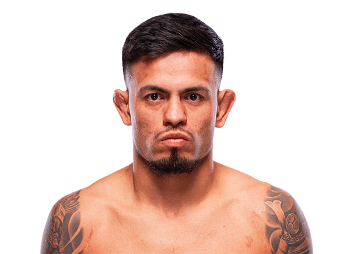
Brandon Royval
Fighter Metrics
Victory Methods
Win Round Distribution
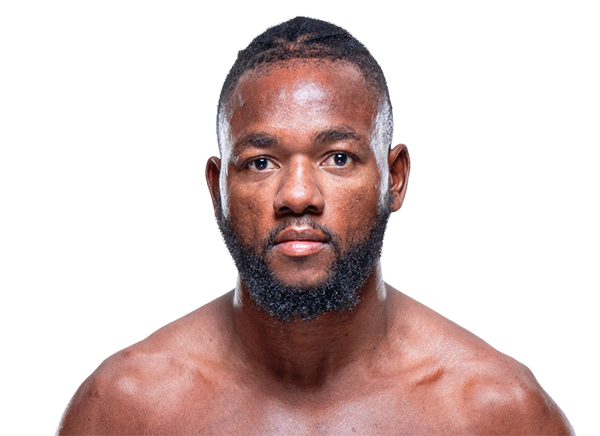
Manel Kape
Fighter Metrics
Victory Methods
Win Round Distribution
📋 Last 5 Fights - Brandon Royval
| Date | Opponent | Result | Method |
|---|---|---|---|
| 2025-06-28 | Joshua Van | L | Decision - Unanimous (R3, 5:00) |
| 2024-10-12 | Tatsuro Taira | W | Decision - Split (R5, 5:00) |
| 2024-02-24 | Brandon Moreno | W | Decision - Split (R5, 5:00) |
| 2023-12-16 | Alexandre Pantoja | L | Decision - Unanimous (R5, 5:00) |
| 2023-04-15 | Matheus Nicolau | W | KO/TKO - Knee to Head (R1, 2:09) |
📋 Last 5 Fights - Manel Kape
| Date | Opponent | Result | Method |
|---|---|---|---|
| 2025-03-01 | Asu Almabayev | W | KO/TKO - Punches to Head (R3, 2:16) |
| 2024-12-14 | Bruno Silva | W | KO/TKO - Punches to Head (R3, 1:57) |
| 2024-07-27 | Muhammad Mokaev | L | Decision - Unanimous (R3, 5:00) |
| 2023-09-09 | Felipe dos Santos | W | Decision - Unanimous (R3, 5:00) |
| 2022-12-17 | David Dvorak | W | Decision - Unanimous (R3, 5:00) |
Technical Analysis
Technical Score
Cardio Score
Overall Rating
📊 Technical Score
Calculated as the average of Striking Composite (65.0 vs 82.0) and Grappling Composite (78.0 vs 62.0). Balances striking effectiveness with grappling ability to measure complete technical skills.
💪 Cardio Score
Based on average fight duration, striking rate per minute, takedown rate, and finish rate. Measures cardiovascular endurance and ability to sustain pace across five rounds in a small cage.
🎯 Overall Rating
Simple average of Technical Score and Cardio Score. Provides a holistic view combining skill level with physical conditioning and fight performance.
Striking Composite
Grappling Composite
📊 Technical Radar Comparison
📊 Metrics Legend
📊 Detailed Statistical Comparison
🥊 Fight Analysis Breakdown
🧩 Brandon Royval Key Advantages
Front-headlock chains, guillotines, and back-takes thrive in the 25-foot cage where space compresses. If entries reach the fence, Royval's opportunism can flip rounds quickly by forcing turtle positions and dragging the fight into scrambles where instinct takes over. His historical finishing profile (9 career submissions with multiple guillotines) shows how fast he converts half-hooks or wrist rides into the neck, and Kape's decision loss to Muhammad Mokaev revealed moments of vulnerability once his base was stretched and the backpack applied.
Limited attempts but high conversion when timed off scrambles and exits. His best entries are reactive or chained off wrist rides rather than naked shots in the open. Tape from the Moreno and Taira wins shows Royval shooting only when hands are committed, and his 0.67 TD15 comes in clusters that grab optics even if he cannot hold top for long. Kape's 81% TD defense is elite, but when he is forced to square up during combinations the hips briefly line up—which is precisely where Royval lands snatch singles or pulls opponents into guard to threaten sweeps and subs.
Historically durable in longer fights with scramble-heavy sequences and consistent round-to-round engagement that tests opponents' defensive responsibility. Royval rarely slows after the midway point thanks to minimal weight cut (125.5 lbs on the scale) and a style that feeds off chaos rather than strict pace management. When fights stretch past the 10-minute mark—see his split decisions with Moreno and Taira—he continues to throw volume, chase chains, and weaponize cardio against opponents who prefer structured striking phases.
The 25-ft Apex accelerates clinch frequency and fence sequences—ideal for wrist rides, mat returns, and front-choke threats that tilt optics and control. With less real estate to circle, Kape is forced to plant earlier, giving Royval extra time to layer collar ties, elbows, and level changes before the reset. Even failed attempts trap the Angolan against the wall, opening knees and elbows that often swing close rounds on the cards.
⚠️ Unfavorable Scenarios
Extended striking where Kape's +15 pts accuracy and +15 pts defense edges stack damage optics and knockdown threat. If Royval stays at kickboxing range for more than 60–90 seconds stretches, Kape's jab-cross-left hand combinations begin to land clean, and Royval's 4.23 SApM indicator suggests he eats far more than he dishes without changing the phase. Those optics erode momentum and invite judges to side with the power striker even in otherwise competitive rounds.
Linear shots without prior disruption get punished by counters and step-knees; Royval must mask level changes with feints and collar ties. When he lunges without framing first, Kape's lead right hook and flying knee counter (seen against Ode' Osbourne) can intercept with knockout-level force, resetting the entire round or ending it outright.
📋 Likely Gameplan
Southpaw lead to force clinch entries, wrist rides on fence, shoot on exits; create turtle to threaten back-takes. Royval should step outside Kape's lead foot, fire the left hand to draw high guard, and immediately crash into collar ties where short elbows and knees set up level changes. Forcing head position battles on the fence shrinks Kape's striking windows and turns the fight into a scramble-oriented chess match.
Threaten guillotine/d'Arce on first-layer sprawls to slow Kape's resets, then cycle to back exposure. Even if the choke is a decoy, clamping onto the neck forces Kape to defend with both hands, giving Royval the window to spin to the back or pull guard with angle advantage—a sequence he has repeated across multiple UFC finishes.
🧩 Manel Kape Key Advantages
A large efficiency gap vs Royval (41%/43%) converts directly into round-winning damage and cleaner moments at pocket range. Kape lands 5.04 SLpM while absorbing just 4.05, and his shot selection is built around high-value counters—rear hand, check hook, and step knees—that judges reward because they land flush and visibly stun opponents. When Royval crashes forward without angles, Kape's ability to pivot and fire tight combinations produces the kind of highlight moments that swing one-score rounds.
First-layer sprawls, strong hips, and balance make Royval's opportunistic shots much harder to bank for top time. Kape stays compact, drops the hips, and immediately whizzers or circles out, limiting re-shot opportunities. Across nine UFC bouts he has only ceded six takedowns; even the grappling-heavy Mokaev fight required relentless chain wrestling for control, illustrating how difficult it is to hold Kape down once he clears the initial position.
Compact base and shot selection translate into early round-finishing equity (KO/TKO 34% model path). His 0.83 KD average in the UFC is backed by clean setups—rear-hand counters, flying knees, shovel hooks—that punish extended exchanges. Against Almabayev and Bruno Silva he demonstrated patience, then detonated with pinpoint power the moment defensive lapses appeared.
Efficient calf/inside kicks blunt Royval's stance switches and slow level-change attempts—important round to round. Kape throws 13% of his significant strikes to the legs and uses the weapon to dissuade pressure, especially against taller opponents. Chipping away at Royval's lead leg reduces his ability to spring into scrambles and adds cumulative scoring that judges see every exchange.
⚠️ Unfavorable Scenarios
Fence chains, turtle rides and extended clinches where Royval can attack necks and back-takes. If Kape overcommits to counters and ends up glued to the fence, Royval's grip fighting and hip mobility quickly create d'Arce or rear-naked attempts that force panic responses, robbing Kape of composure and scoring.
Getting drawn into messy exchanges on exits raises sub risk and reduces his clean, efficient striking advantage. Royval thrives when punches extend past the pocket and hands remain on the target; any decision to swing in the clinch rather than reset gives Royval access to spins, back takes, or standing guillotine threats.
📋 Likely Gameplan
Southpaw outside foot, jab-feints, punish linear entries with counters and step-knees; no extended clinch chasing. Kape should pressure only enough to keep Royval honest, then angle off and make him reset. By picking set-piece attacks and refusing to brawl along the fence, he preserves the efficiency edge that drives scorecards.
Bank calf kicks early to slow pressure, then pick clean pocket entries for burst combos—damage over volume. Low-line attacks soften Royval's base, while finishing exchanges with pivots keeps the grappling threat at arm's length. When Royval is forced to reset, Kape can re-enter with two- and three-piece counters that earn visible reactions.
🎯 Fight Prediction Analysis
Data-driven prediction model based on statistical analysis
📊Detailed Analysis Summary
🏟️Cage Dynamics
The 25-foot octagon compresses lateral space and increases clinch/scramble frequency—boosting Royval's ability to force transitions at the fence. However, it also increases pocket exchanges, where Kape's clean counters and step-knees translate into high-value moments. Net effect: slight boost to Royval's access to grappling positions, but Kape's efficiency remains the round-winner when standing. Expect the fight to oscillate between chaotic fence sequences (Royval advantage) and sharp, tempo-controlled striking bursts in the center (Kape advantage).
🎯Technical Breakdown
Kape holds a decisive striking efficiency gap (56% Acc, 58% Def vs 41%/43%) that historically correlates with wider score margins at flyweight. Royval's grappling offense (1.11 subs/15, 75% TDAcc) is the high-leverage equalizer, but Kape's 81% TDDef blunts first-layer entries and forces messier exchanges where counters land cleaner. The longer the fight stays upright, the more the jab-cross-left hand builds respect; conversely, every clinch chain Royval creates chips away at Kape's base and threatens back exposure.
🧩Key Battle Areas
First-layer sprawl vs front-headlock chains; leg-kick economy vs stance switching; pocket control vs clinch compression. The fighter who dictates entries/exits at the fence shapes the scoring: Kape by clean damage or Royval by control optics and sub threats. Royval must win the hand-fighting along the cage while Kape must win the footwork battle in the center; whichever wins two of those three domains should claim the scorecards.
🏁Final Prediction
Most likely: Manel Kape by KO/TKO (34%) or Decision (27%) via accuracy/defense gap and sprawl-first defense. Live underdog paths: Brandon Royval by Submission (18%) from scramble loops and front-choke chains; Decision (15%) through extended control optics in later rounds. The model leans Kape because his compounding edges (knockdown threat + defensive efficiency) produce more consistent scoring, but variance spikes any time Royval hands-fights his way to the neck.
💰 Betting Analysis: Model vs Market
Detailed value assessment in the betting market
📊Market Odds
🤖Analytical Model
💎Value Opportunities
MAXIMUM VALUE
Model: 34% | Fair: +194
GOOD VALUE
Model: 27% | Fair: +270
SLIGHT VALUE
Model: 55% | Fair: -122
⚠️Key Market Considerations
- • Efficiency gap – Kape's accuracy/defense drives broad round-winning optics.
- • Small cage variance – Increases scramble frequency; boosts Royval's live-sub equity.
- • Early volatility – Higher KO/TKO equity in R1–R2; manage exposure on totals.
🎯 Comprehensive Probabilistic Analysis
100 hypothetical fight simulation based on statistical data
🏆Outcome Distribution - Brandon Royval
Late-round scrambles and control optics
Low-probability path via attritional damage
Front-chokes and back-takes off scrambles
💥Outcome Distribution - Manel Kape
Counter shots and knees punish linear entries
Efficiency gap stacks scoring optics over five
Rare outcome given profile
Stylistic Matchup
Kape's striking efficiency edge (+14–15 pts in accuracy and defense) typically translates into decisive moments and round-winning damage. Royval's high-variance submission game is amplified by the small cage, but Kape's 81% takedown defense and compact base limit top-time banking.
Prediction & Confidence
Most likely outcomes: Kape KO/TKO (34%) or Decision (27%). Royval's live path is Submission (18%) threaded through clinch and scramble volume. Confidence: 8/10 given compounding edges for Kape and robust defensive metrics.