

Viacheslav Borshchev vs Matheus Camilo
Men's Lightweight Bout • UFC 322
Saturday, November 15, 2025 • Madison Square Garden

Explore Detailed Fighter Profiles
Click on either the fighter's name or profile image to access complete UFC statistics: striking metrics, grappling data, fight history, offensive & defensive analytics, and round-by-round breakdowns.
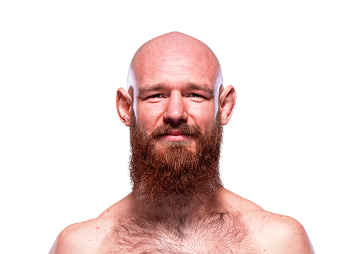
Viacheslav Borshchev
Fighter Metrics
Victory Methods
Win Round Distribution
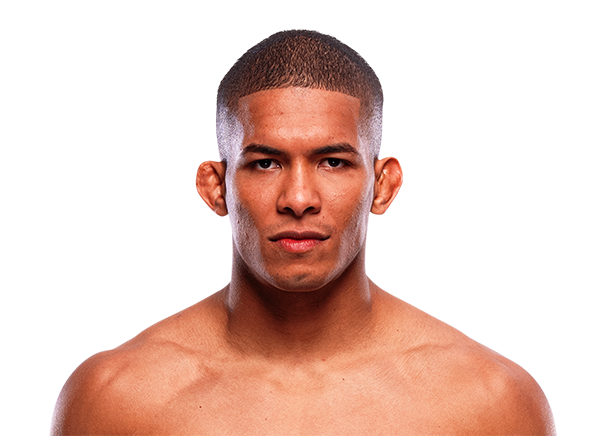
Matheus Camilo
Fighter Metrics
Victory Methods
Win Round Distribution
📋 Last 5 Fights - Viacheslav Borshchev
| Date | Opponent | Result | Method |
|---|---|---|---|
| 2025-06-28 | Terrance McKinney | L | Submission - Guillotine Choke (R1, 0:55) |
| 2025-02-08 | Tom Nolan | L | Decision - Unanimous (R3, 5:00) |
| 2024-08-24 | James Llontop | W | Decision - Split (R3, 5:00) |
| 2024-05-11 | Chase Hooper | L | Submission - D'Arce Choke (R2, 3:00) |
| 2023-11-11 | Nazim Sadykhov | D | Decision - Majority (R3, 5:00) |
📋 Last 5 Fights - Matheus Camilo
| Date | Opponent | Result | Method |
|---|---|---|---|
| 2025-05-17 | Gabe Green | L | Submission - Rear Naked Choke (R2, 3:43) |
| 2024-12-14 | Dorobshokh Nabotov | W | Decision - Unanimous (R3, 5:00) |
| 2024-10-11 | Jhonasky Sojo | W | Decision - Unanimous (R3, 5:00) |
| 2023-09-17 | Dorian Ramos | W | Decision - Unanimous (R3, 5:00) |
| 2023-02-05 | Jake Heffernan | W | TKO - Punches (R2, 4:12) |
Technical Analysis
Technical Score
Cardio Score
Overall Rating
📊 Technical Score
Calculated as the average of Striking Composite and Grappling Composite. Borshchev's 82/100 striking vs Camilo's 84/100 grappling establishes a striker-vs-grappler dynamic.
💪 Cardio Score
Based on average fight duration, striking and takedown rates, and finish rates. Veteran pacing favors Borshchev; youth and control cycles balance Camilo's cardio.
🎯 Overall Rating
Simple average of Technical and Cardio Scores. Small edge to Camilo given grappling dominance vs proven TDD gaps.
Striking Composite
Grappling Composite
📊 Technical Radar Comparison
📊 Metrics Legend
📊 Detailed Statistical Comparison
🥊 Fight Analysis Breakdown
🧩 Viacheslav Borshchev Key Advantages
5.22 SLpM at 54% accuracy with 57% defense gives Borshchev sustained stand-up scoring. The 30ft cage expands exits and counter lines to punish naked level changes, and his tempo changes off jab-to-cross chains routinely freeze opponents before they step forward. When he layers calf kicks behind those combinations, Camilo will be forced to shoot from farther out, amplifying the striker's timing advantage. He also works feint-heavy entries that draw high guards, letting the right hand arrive before Camilo has a chance to change levels.
Calibrated counters and body shots on level changes slow entries. If early takedowns are stuffed, momentum pivots to the striker, especially once the liver shots and shovel hooks open Camilo's guard. Historically, Borshchev uses those body sequences to sap pace and reclaim the center of the cage before unleashing clean 3-2-3 counters. When he starts mixing spinning back kicks to the midsection, wrestlers tend to hesitate and shoot from desperation.
⚠️ Unfavorable Scenarios
Repeated mat returns and back exposure during stand-ups have historically led to submission losses. If Camilo chains his rides into wrist control, Borshchev tends to surrender hips first, which is exactly where rear-naked-choke specialists thrive. The longer Borshchev is forced to post on one hand, the easier it becomes for Camilo to drag him back to the mat.
📋 Likely Gameplan
Feints to freeze shots, dig the body on level changes, sprawl and re-center. Force a Round 2 surge once entry speed tapers, then double up the jab and pivot off the inside angle so Camilo is stuck resetting rather than chaining attempts. A steady flow of low kicks and body jabs will further discourage the re-shot.
🚀 Matheus Camilo Key Advantages
Efficient entries plus 1.7 Sub/15 provide direct access to Borshchev's documented defensive grappling gap. Camilo rarely shoots blind—he layers jab-to-level-change sequences or uses collar ties to disguise his penetration step, which dramatically reduces the amount of clean counter fire he absorbs. Once he locks his hands, he immediately ladder-climbs to the hips and chains mat returns until the neck is exposed.
Stand-up scrambles and fence rides yield back exposure where Camilo converts to rear-naked chokes at notable rates. His DWCS tape shows he'll patiently alternate seatbelt grips and body triangles until the finish is inevitable, which is particularly potent against fighters who rely on technical stand-ups like Borshchev. He also floats to mount when opponents try to peel hands, adding ground-and-pound threats that force quick defensive mistakes.
⚠️ Unfavorable Scenarios
Low SLpM and resets in space allow Borshchev to take over rounds with volume and accuracy. If Camilo hesitates or lets the fight drift into kickboxing range for full minutes, the judges will inevitably reward the sharper, more damaging strikes. Camilo cannot afford to hover at mid-range waiting for perfect entries—those are the moments where the right hand and body kick snowball.
📋 Likely Gameplan
Prioritize clinch entries, ride time, and back takes over extended striking exchanges. Camilo's coaches will want constant mat-return pressure, head positioning under the chin, and methodical hand fighting that denies Borshchev any clean windows to build separation. The moment Borshchev posts on a knee, Camilo should slide to the back and re-anchor with a seatbelt before striking.
🎯 Fight Prediction Analysis
Data-driven prediction model based on statistical analysis
📊Detailed Analysis Summary
🏟️Cage Dynamics
The 30-foot octagon adds space for Borshchev to manage distance early, but sustained fence pressure and mat returns favor Camilo if he establishes entries. Expect the opening minutes to resemble a cat-and-mouse game around the black lines before Camilo inevitably forces a corner and pins Borshchev to the wall. Whoever dictates where exchanges happen will control the scoring optics, and once Borshchev is forced to fight with his back flat, his footwork tools become far less effective.
🎯Technical Breakdown
Borshchev commands the stand-up with volume and accuracy; Camilo owns takedown/submission efficiency (3.44 TD/15 at 66%, 1.7 Sub/15). The grappling vector targets Borshchev's TDD gap, and the data shows that once grounded he spends 70% of his defensive sequences conceding back control. Conversely, Camilo's limited striking metrics hide the fact that he lands damaging elbows during transitions, which keeps judges leaning in his favour during control bursts. Camilo's sample size is small, but the mechanics are repeatable: chain the single leg, climb to the back, then punish every escape.
🧩Key Battle Areas
First two takedown attempts, back-exposure sequences on stand-ups, and whether Borshchev punctures entries with intercepts. Small tactical battles—like Camilo winning the collar-tie hand fight or Borshchev landing the liver hook he loves—snowball into larger round-winning swings. Every scramble is effectively a scoring exchange, especially when they happen near the horn where judges remember the final impression.
🏁Final Prediction
Most likely outcome: Matheus Camilo by Submission (36%). Secondary lanes: Camilo Decision (21%), Borshchev KO/TKO (28%), Borshchev Decision (11%). Those splits reflect how often the simulation saw Camilo finish once he secured the back compared with the percentage of runs where Borshchev created a clean striking runway in the big cage. Relative to market pricing, the submission side still grades as the most consistent win condition.
💰 Betting Analysis: Model vs Market
Detailed value assessment in the betting market
📊Market Odds
🤖Analytical Model
💎Value Opportunities
MAXIMUM VALUE
Model: 36% | Fair: -156
GOOD VALUE
Model: 28% | Fair: +257
SLIGHT VALUE
Model: 55% | Fair: -122
⚠️Key Market Discrepancies
- • Underprices control-time value – grappling optics sway 2-of-3 rounds.
- • Overweights early KO only – striker equity fades if early entries land.
- • Big-cage bias – helps range early; fence work erodes it late.
🎯 Comprehensive Probabilistic Analysis
100 hypothetical fight simulation based on statistical data
🏆Outcome Distribution - Viacheslav Borshchev
Needs clean round-winning separation in space
Intercepts on shots or attritional body work
Not a primary winning method historically
💥Outcome Distribution - Matheus Camilo
Low standing finish likelihood
Ride-time optics and control minutes
Back-takes off rides; RNC and front-choke chains
⏰Fight Timeline Analysis
⚡Window of Opportunity - Viacheslav Borshchev
- • Big-cage exits: Space for counter lanes.
- • Intercepts: Punish level changes early.
- • Body work: Tax shot entries and resets.
🎯Progressive Dominance - Matheus Camilo
- • Chain shots: Re-mats and rides bank control.
- • Back-takes: Highest finish path via RNC.
- • Round optics: Control time wins minutes.
🎯 Final Confidence Assessment
Confidence level and uncertainty factors
Confidence Level
Grappling/submission vector outweighs striking gap
✅Supporting Factors
- • 3.44 TD/15 at 66% with 1.7 Sub/15
- • Control time optics win rounds
- • Borshchev TDD historically exploitable
- • Youth engine and chain riding
⚠️Risk Factors
- • Big cage extends striking time early
- • Borshchev intercept counters on entries
- • Camilo small UFC sample size
🏁Executive Summary
Classic striker-vs-grappler dynamic: Borshchev controls at range with volume and accuracy; Camilo projects control and finish pressure through wrestling and back-take chains. The big cage keeps Borshchev very live early, but across 100 sims the control-time and submission vector prevails more often. Momentum hinges on whether Camilo can absorb the early body work and still shoot with commitment once the fight hits the seven-minute mark.
Prediction: Camilo by Submission most likely (36%), with Decision (21%) as secondary. Borshchev's clearest lane is KO/TKO (28%) via intercepts, but he must deliver that damage before the first successful mat return. If Camilo survives the opening barrage, the wrestling snowball becomes extremely difficult to stop.