

Thomas Petersen vs Guilherme Pat
Men's Heavyweight Bout • UFC Fight Night: Moicano vs Duncan
Saturday, April 4, 2026 • 25ft Octagon (Small Cage) • UFC APEX, Las Vegas
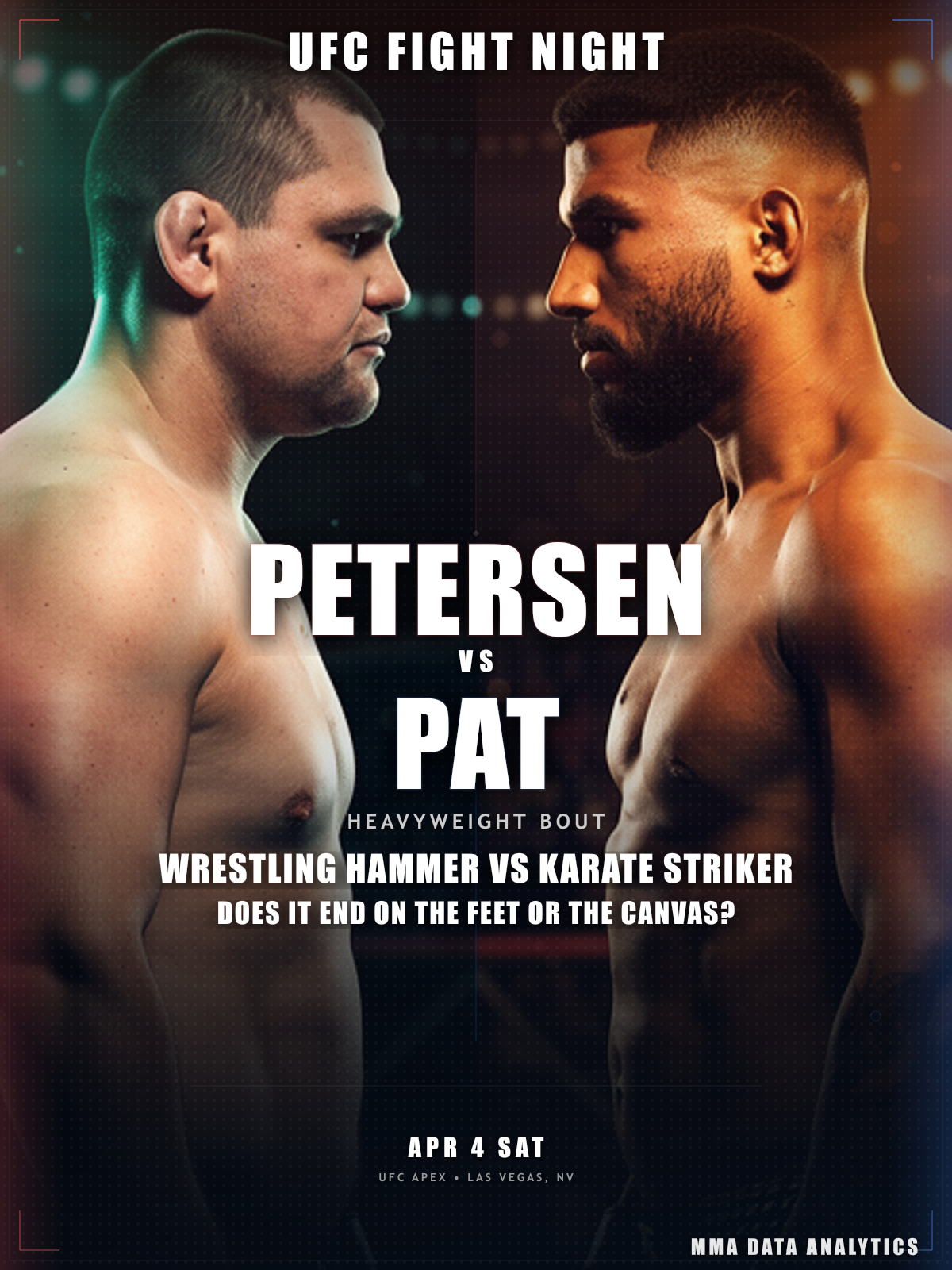
Explore Detailed Fighter Profiles
Click on either the fighter's name or profile image for each fighter to access comprehensive UFC statistics including striking metrics, grappling data, clinch performance, complete fight history, offensive & defensive analytics, and round-by-round breakdowns.
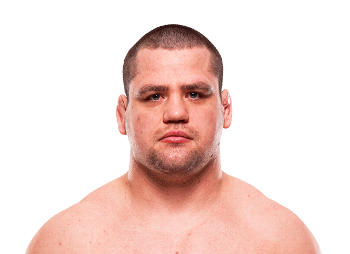
Thomas Petersen
Fighter Metrics
Victory Methods
Win Round Distribution
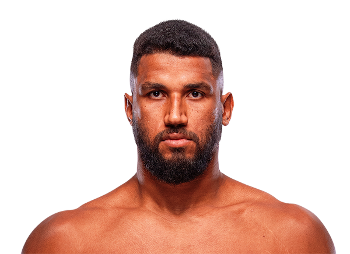
Guilherme Pat
Fighter Metrics
Victory Methods
Win Round Distribution
📋 Last 5 Fights - Thomas Petersen
| Date | Opponent | Result | Method |
|---|---|---|---|
| 2025-10-11 | Vitor Petrino | L | TKO - Right Uppercut & Left Hook (R3, 0:26) |
| 2025-05-03 | Don'Tale Mayes | W | Decision - Unanimous (R3, 5:00) |
| 2025-02-01 | Shamil Gaziev | L | TKO - Right Hook (R1, 3:12) |
| 2024-07-20 | Mohammed Usman | W | Decision - Unanimous (R3, 5:00) |
| 2024-02-03 | Jamal Pogues | L | Decision - Unanimous (R3, 5:00) |
📋 Last 5 Fights - Guilherme Pat
| Date | Opponent | Result | Method |
|---|---|---|---|
| 2025-12-13 | Allen Frye Jr. | W | Decision - Unanimous (R3, 5:00) |
| 2024-08-30 | Mauricio Queiroz | W | TKO - Punches (R3, 3:15) |
| 2023-08-26 | Leandro Moreira | W | Decision (R3, 5:00) |
| 2023-04-16 | Luis Oliveira | W | TKO - Retirement (R2, 2:03) |
| 2023-03-25 | João Gabriel Mendes | W | TKO - Head Kick & Punches (R1, 0:18) |
Technical Analysis
Technical Score
Cardio Score
Overall Rating
📊 Technical Score
Calculated as the average of Striking Composite (62.0 vs 55.0) and Grappling Composite (72.0 vs 40.0). Balances overall striking effectiveness with grappling ability to measure complete technical skills.
💪 Cardio Score
Based on average fight duration, striking rate per minute, takedown rate, and finish rate. Measures cardiovascular endurance and ability to maintain pace throughout fights.
🎯 Overall Rating
Simple average of Technical Score and Cardio Score. Provides a holistic view of fighter capabilities combining skill level with physical conditioning and fight performance.
Striking Composite
Grappling Composite
📊 Technical Radar Comparison
📊 Metrics Legend
📊 Detailed Statistical Comparison
🥊 Fight Analysis Breakdown
🧩 Thomas Petersen Key Advantages
4.42 takedowns per 15min vs 0.50 represents an 8.8x differential that fundamentally shifts fight control. Petersen's chain wrestling, level changes from southpaw stance, and relentless pressure create round-winning control sequences. His 67% takedown accuracy vs Pat's 65% takedown defense means he should consistently put Pat on his back. In the 25-foot cage, there's less space for Pat to circle away, and Petersen's ability to chain multiple attempts and maintain fence pressure makes his wrestling threat constant. Pat's limited UFC experience (1 fight) means he hasn't been tested by high-level wrestlers at this level.
Petersen's 60% striking accuracy vs Pat's 48% means he's significantly more efficient with his output. Despite similar volume (3.74 vs 3.20 SLpM), Petersen lands cleaner shots and wastes less energy on missed strikes. His southpaw stance creates constant angle problems for orthodox fighters, and his accuracy advantage becomes decisive in close rounds where clean striking differentials sway judges. Combined with his 58% striking defense (vs Pat's 52%), Petersen operates at a notably better damage ratio.
The UFC APEX small cage (25ft) dramatically favors Petersen's pressure wrestling style. With less space to circle, Pat cannot maintain his preferred long range where his 81-inch reach provides maximum advantage. Petersen can cut the cage in fewer steps, pin Pat against the fence, and initiate his wrestling sequences. Historical data shows pressure wrestlers see 15-20% improved takedown rates in the small cage, and Pat's limited UFC experience means he may struggle to adjust to the compressed space.
⚠️ Unfavorable Scenarios
Petersen has 3 KO/TKO losses in 14 fights, suggesting durability concerns at heavyweight. Pat's knockout power (4 KO/TKO wins in 6 fights) represents a constant threat, especially given the 7-inch reach disadvantage. If Petersen gets caught entering on takedown attempts or during striking exchanges, Pat's power could end the fight instantly. The heavyweight division amplifies this risk—every clean shot carries fight-ending potential.
Pat's 81-inch reach vs Petersen's 74-inch creates a 7-inch differential that complicates entries. Petersen must cross a significant distance to establish his wrestling, and Pat's long jab and straight right can punish level changes. If Petersen cannot close distance efficiently, he'll absorb accumulative damage that could slow his pace and compromise his wrestling cardio.
📋 Likely Gameplan
Petersen should immediately pressure forward, cutting off angles to pin Pat against the fence. His southpaw stance creates natural angles for the left-side single leg. The small cage means fewer steps to establish fence contact, where Petersen's wrestling is most effective. Quick level changes and chain shots will wear down Pat's takedown defense over three rounds.
Once Petersen secures takedowns, he should focus on maintaining top position and accumulating ground-and-pound damage. His 0.55 SubPer15 shows he occasionally threatens submissions, keeping Pat defensive on the bottom. The key is banking control time and visible damage that wins rounds clearly on the scorecards.
🚀 Guilherme Pat Key Advantages
Pat's 81-inch reach and 6'5" frame create enormous distance management advantages. His long jab, front kicks, and straight right can score from ranges where Petersen cannot respond. This reach advantage is among the largest in any UFC heavyweight matchup, and Pat's 44-inch leg reach adds additional tools to maintain distance. His height creates steep angles for Petersen's wrestling entries.
Pat's 4 KO/TKO wins in 6 career fights demonstrate legitimate one-punch stopping power at heavyweight. His ability to end fights with single shots means Petersen cannot afford a single defensive lapse. The undefeated record (6-0) brings psychological confidence, and Pat's power becomes even more dangerous when opponents overcommit to takedown attempts—uppercuts and knees on entries are particularly effective against wrestlers.
⚠️ Unfavorable Scenarios
Pat's 65% takedown defense is concerning against a wrestler averaging 4.42 TD15. Once on his back, Pat has shown no submission threat (0.00 SubPer15) and limited ability to return to his feet. Petersen's wrestling pressure in the small cage could result in extended ground control sequences that neutralize Pat's striking entirely. With only 1 UFC fight, Pat hasn't been tested against elite wrestling at this level.
Pat's 9:28 average fight duration combined with limited experience in high-pace fights suggests potential cardio concerns in later rounds. If Petersen implements a sustained wrestling-heavy approach, the energy cost of defending takedowns and working off his back could leave Pat depleted in Round 3.
📋 Likely Gameplan
Pat should maximize his reach advantage by maintaining distance with a stiff jab and front kicks. His straight right should be the primary weapon when Petersen enters, and he should look to time uppercuts on level changes. The key is keeping Petersen at the end of his punches where the 7-inch reach differential provides maximum protection.
When Petersen shoots, Pat needs to prioritize sprawling and creating distance rather than engaging in extended grappling exchanges. Quick hip sprawls followed by punishing shots as Petersen rises will discourage takedown attempts and maintain the fight at range where Pat holds the advantage.
🎯 Fight Prediction Analysis
Data-driven prediction model based on statistical analysis
📊Detailed Analysis Summary
🏟️Cage Dynamics
The 25-foot APEX cage significantly alters this matchup's dynamics—initially neutral but quickly shifting to favor Petersen's pressure wrestling style. Pat's 81-inch reach creates advantages at distance, but the compressed space reduces his ability to circle and reset. Petersen needs fewer steps to establish fence contact and can chain takedown attempts more effectively. This cage disadvantage for Pat is compounded by his limited UFC experience and the psychological adjustment of fighting in the smaller octagon for the first time against a high-level wrestler.
🎯Technical Breakdown
The statistical profile reveals a classic striker-vs-wrestler heavyweight matchup. Petersen's 4.42 TD15 vs Pat's 0.50 creates an 8.8x takedown volume differential that should dominate fight control. However, Petersen's 60% striking accuracy vs 48% and better defense (58% vs 52%) means he also holds advantages on the feet. The key concern is Petersen's durability—3 KO/TKO losses vs a fighter with 67% finish rate creates genuine two-way risk that keeps this fight close.
🧩Key Battle Areas
Three critical battle areas will determine the outcome: entry vs intercept striking (Petersen's level changes vs Pat's reach weapons), fence wrestling vs escape ability (Petersen's chain shots vs Pat's untested TDD), and cardio management over three rounds. Pat's power creates a constant equalizer, but Petersen's well-rounded skillset and small cage advantage should allow him to implement his gameplan more consistently.
🏁Final Prediction
The most likely outcome is Thomas Petersen by Decision (28% probability), achieved through consistent wrestling pressure and control time accumulation in the small cage. Petersen's KO/TKO path (17%) comes via ground-and-pound accumulation. Pat's primary upset lane is KO/TKO (33%) via power strikes at range or on entries—this is a genuine threat that keeps the fight close. The fight's outcome hinges on whether Petersen can close distance safely against Pat's reach and power.
💰 Betting Analysis: Model vs Market
Detailed value assessment in the betting market
📊Market Odds
🤖Analytical Model
💎Value Opportunities
MAXIMUM VALUE
Model: 20% | Fair: +400
GOOD VALUE
Model: 28% | Fair: +257
SLIGHT VALUE
Model: 45% | Fair: +122
⚠️Key Market Discrepancies
- • Underprices Petersen's wrestling volume – 8.8x TD differential in small cage is dominant.
- • Overweights Pat's undefeated record – Limited sample (1 UFC fight) inflates perception.
- • Heavyweight KO volatility – Two-way finish risk keeps this fight genuinely close.
🎯 Comprehensive Probabilistic Analysis
100 hypothetical fight simulation based on statistical data
🏆Outcome Distribution - Thomas Petersen
Primary path via wrestling control in small cage
Ground-and-pound accumulation from top position
Occasional submission threat from dominant position
💥Outcome Distribution - Guilherme Pat
Best lane via power shots at range and on entries
Requires sustained range control over 3 rounds
No submission wins in career
⏰Fight Timeline Analysis
⚡Window of Opportunity - Guilherme Pat
- • First 5-7 minutes: Highest KO equity via reach + power.
- • Range management: Jab + front kicks to stall entries.
- • Intercept strikes: Uppercuts and knees on level changes.
🎯Progressive Dominance - Thomas Petersen
- • Chain wrestling: Fence takedowns bank control time.
- • Damage economy: Top position GNP minimizes risk.
- • Round 3: Cardio advantage compounds fatigue differential.
🎯 Final Confidence Assessment
Confidence level and uncertainty factors
Confidence Level
Close fight with genuine two-way risk at heavyweight
✅Supporting Factors
- • Massive takedown volume edge (4.42 vs 0.50 TD15)
- • Small cage compresses Pat's reach advantage
- • Superior striking accuracy and defense
- • More UFC experience (5 vs 1 fight)
⚠️Risk Factors
- • Petersen's 3 KO/TKO losses vs Pat's power
- • 7-inch reach disadvantage creates entry problems
- • Heavyweight volatility reduces predictability
- • Pat's undefeated momentum and confidence
🏁Executive Summary
Thomas Petersen's relentless wrestling pressure should find fertile ground in the UFC APEX small cage against Guilherme Pat's untested takedown defense, while Pat's massive reach advantage and legitimate knockout power create a constant equalizer that prevents high confidence in either direction. The statistical differentials favor Petersen: his 4.42 TD15 vs Pat's 0.50 creates an 8.8x takedown volume advantage, while his superior striking accuracy (60% vs 48%) and defense (58% vs 52%) provide edges on the feet as well. However, Petersen's chin vulnerability (3 KO/TKO losses) against Pat's proven power (67% finish rate) introduces significant two-way risk typical of heavyweight matchups. The small cage dramatically compresses the space Pat needs to exploit his 7-inch reach advantage, shifting the dynamic toward Petersen's pressure-wrestling style.
Prediction: Petersen by Decision most likely (28% probability) through consistent wrestling pressure and control time; Pat's primary upset lane is early KO/TKO (33%) via power strikes at range or on entries. This is a genuinely close fight where the small cage could be the deciding factor.