

Jafel Filho vs Cody Durden
Men's Flyweight Bout • UFC Fight Night: Sterling vs Zalal
Saturday, April 25, 2026 • 25ft Octagon (Small Cage)

Explore Detailed Fighter Profiles
Click on either the fighter's name or profile image for each fighter to access comprehensive UFC statistics including striking metrics, grappling data, clinch performance, complete fight history, offensive & defensive analytics, and round-by-round breakdowns.
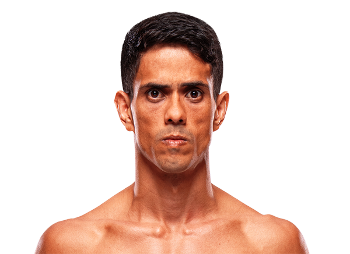
Jafel Filho
Fighter Metrics
Victory Methods
Win Round Distribution
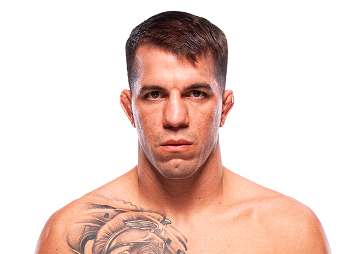
Cody Durden
Fighter Metrics
Victory Methods
Win Round Distribution
📋 Last 5 Fights - Jafel Filho
| Date | Opponent | Result | Method |
|---|---|---|---|
| 2025-10-11 | Clayton Carpenter | W | Submission - Kimura (R1, 4:42) |
| 2025-05-31 | Allan Nascimento | L | Decision - Unanimous (R3, 5:00) |
| 2024-12-06 | Amir Albazi | W | Decision - Unanimous (ADXC Grappling) (R1, N/A) |
| 2024-03-16 | Ode Osbourne | W | Submission - Rear Naked Choke (R1, 4:27) |
| 2023-07-22 | Daniel Barez | W | Submission - Arm Triangle Choke (R1, 3:26) |
📋 Last 5 Fights - Cody Durden
| Date | Opponent | Result | Method |
|---|---|---|---|
| 2026-03-07 | Nyamjargal Tumendemberel | L | Decision - Unanimous (R3, 5:00) |
| 2025-11-01 | Allan Nascimento | L | Submission - Anaconda Choke (R2, 3:13) |
| 2025-06-14 | Jose Ochoa | L | TKO - Left Hook to Ground Punches (R2, 0:11) |
| 2024-12-07 | Joshua Van | L | Decision - Unanimous (R3, 5:00) |
| 2024-09-07 | Matt Schnell | W | Submission - Ninja Choke (R2, 0:29) |
Technical Analysis
Technical Score
Cardio Score
Overall Rating
📊 Technical Score
Calculated as the average of Striking Composite (48.0 vs 58.0) and Grappling Composite (78.0 vs 82.0). Balances overall striking effectiveness with grappling ability to measure complete technical skills.
💪 Cardio Score
Based on average fight duration, striking rate per minute, takedown rate, and finish rate. Measures cardiovascular endurance and ability to maintain pace throughout fights.
🎯 Overall Rating
Simple average of Technical Score and Cardio Score. Provides a holistic view of fighter capabilities combining skill level with physical conditioning and fight performance.
Striking Composite
Grappling Composite
📊 Technical Radar Comparison
📊 Metrics Legend
📊 Detailed Statistical Comparison
🥊 Fight Analysis Breakdown
🧩 Jafel Filho Key Advantages
Filho averages 2.45 takedowns per 15 minutes while Durden has recorded zero offensive takedowns in his UFC career. This one-directional grappling dynamic is the defining factor in this matchup. Filho's ability to close distance and secure takedowns in the small 25-foot cage is amplified further, as Durden has less space to circle and avoid clinch engagements. Durden's 61% takedown defense is below the flyweight division average, and against a relentless chain-wrestler like Filho, even moderate takedown defense tends to erode as the fight progresses. Once on the mat, Filho's top control and submission hunting create a compounding advantage that drains Durden's energy and scoring potential each round.
The submission differential is staggering: Filho averages 2.15 submission attempts per 15 minutes while Durden has zero. Filho has 10 career submission victories across a diverse arsenal—kimuras, rear naked chokes, arm triangles—demonstrating the ability to finish from multiple positions. His recent kimura finish of Clayton Carpenter (the same fighter who submitted Durden) shows elite-level ground proficiency. Durden's only career loss by submission came via Technical RNC from Carpenter, confirming his vulnerability when taken to the mat by grapplers with finishing intent. In the small cage, every scramble and clinch exchange carries submission risk for Durden.
Filho absorbs just 1.63 significant strikes per minute compared to Durden's alarming 4.48 SApM. This 2.85 strikes-absorbed differential means Durden takes nearly three times the damage on the feet per minute of fighting. While Durden's aggressive striking style generates offense (2.00 SLpM), his defensive liabilities create openings for Filho to land clean shots during exchanges before shooting for takedowns. In a three-round fight, this damage accumulation becomes particularly significant as Durden's chin durability is tested more frequently, and each exchange carries higher risk for the striker than the grappler who can absorb shots while closing distance.
Filho stands 5'7" with a 68.5-inch reach compared to Durden's 5'3" frame and 64-inch reach. This 4.5-inch reach advantage is enormous at flyweight and serves a dual purpose: it allows Filho to establish jabs and long hooks as takedown setups from a distance where Durden's power shots cannot reach, and it gives him longer levers for clinch control, underhooks, and body lock sequences against the fence. The height differential means Filho can shoot from a more upright stance, reducing the telegraphing of his level changes. In the small cage, these physical advantages are amplified during fence work, where Filho's longer frame creates superior leverage for trip attempts and positional advances from the clinch. Durden must cover more distance to land clean strikes, giving Filho additional reaction time to initiate grappling exchanges.
The shared Clayton Carpenter matchup provides a rare direct comparison: Filho submitted Carpenter via kimura in R1 (4:42), while Carpenter submitted Durden via technical RNC in R2 (2:12). This transitive chain strongly favors Filho in the grappling exchanges that will define this fight. Filho demonstrated superior positional control and finishing ability against the same grappler who exposed Durden's ground vulnerability. The stylistic implication is clear—if Carpenter could submit Durden, Filho's even more dangerous submission game (2.15 Sub/15 vs Carpenter's lower rate) should create constant finishing threats once the fight hits the mat.
⚠️ Unfavorable Scenarios
Durden has 10 career KO/TKO victories, demonstrating legitimate fight-ending power even at flyweight. His knee strike finish of Davi Bittencourt (18 seconds into R2) and rapid KO of Eduardo Castro (40 seconds) show he can end fights in an instant. Filho's 48% striking defense leaves him exposed during entries, and if he gets caught clean while shooting or during standing exchanges, Durden's power can change the outcome regardless of the grappling differential. The small cage makes it harder for Filho to feint and create distance before level changes.
If Filho becomes hesitant to shoot after early takedown defense or gets timed with uppercuts on entries, the fight could devolve into sustained striking exchanges where Durden holds a slight accuracy edge (45% vs 42%) and significantly more power. Durden's 45% striking accuracy at higher volume creates a scoring advantage when fights stay upright, and his ability to switch between head and body strikes can disrupt Filho's rhythm. If Filho fails to establish the grappling early, Durden's confidence and output increase as each standing minute passes.
Durden's round distribution shows 5 wins in R1 and 6 in R2—he is most dangerous when fresh and aggressive in the opening exchanges. If Filho cannot establish the clinch or takedown in the first two minutes, Durden has a window to build confidence, find his rhythm, and start loading up on power shots. Filho's UFC loss to Allan Nascimento via unanimous decision proved he can be outpointed when unable to impose grappling control for full rounds. Early adjustment speed is critical—a missed first takedown attempt against a powerful striker in the small cage carries real consequences.
📋 Likely Gameplan
Filho should immediately pressure Durden into the fence and initiate clinch engagements within the first 30 seconds of each round. The 25-foot small cage amplifies his ability to cut off angles and secure body locks. Once the fight hits the mat, Filho should hunt for submissions aggressively rather than simply accumulating control time—his kimura, rear naked choke, and arm triangle arsenal gives him multiple attack vectors from every position. Each submission attempt forces Durden to expend energy defending, creating a fatigue spiral that makes subsequent takedowns and submission entries easier.
Filho should minimize time at striking range and avoid trading combinations with Durden. His 1.92 SLpM output is not designed to win striking exchanges—it functions as a setup for level changes and clinch entries. Short jabs and low kicks should serve as entry tools rather than scoring weapons. The key is keeping exchanges under 10 seconds before transitioning to grappling, ensuring Durden never builds momentum or finds his timing on power strikes. Every second spent at range is a second where Durden's knockout power is the dominant factor.
Once Filho secures top position, the priority should be heavy top rides, wrist control, and mat returns rather than purely hunting submissions from open guard. By pinning Durden against the fence and maintaining chest-to- chest pressure, Filho neutralizes any striking threat while accumulating dominant control time. When Durden attempts to stand, Filho should immediately chain into mat returns or transition to back control—his rear naked choke ability makes back exposure the most dangerous position for Durden. This systematic approach ensures scoring even when submissions are defended, while progressively draining Durden's energy reserves.
🚀 Cody Durden Key Advantages
With 10 career KO/TKO victories out of 18 wins, Durden possesses elite finishing power for the flyweight division. His ability to generate knockouts with knees, punches, and varied strikes demonstrates multi-weapon power that can end fights from any position on the feet. His 16-fight pre-UFC win streak was built largely on this knockout ability, and his striking accuracy of 45% means he connects with nearly half his attempts. In the small cage, Durden's power becomes even more dangerous as the reduced space compresses exchanges and creates more opportunities for short-range power shots, intercepting knees, and uppercuts against a wrestler shooting for takedowns.
While the small cage generally helps grapplers, it also benefits Durden's power striking approach in specific ways. The compressed space means every exchange occurs at closer range where Durden's hooks and uppercuts carry maximum force. His ability to pressure forward and cut off the cage with straight shots forces Filho to fight in the pocket before securing clinch positions. Durden's R1 and R2 win distributions show he is most dangerous in the middle rounds when he reads patterns and times opponents. If he can keep Filho at bay for even brief moments, his power advantage at close range creates fight-ending opportunities that negate all grappling advantages.
Durden lands at a higher accuracy rate (45% vs 42%) and his slightly superior striking defense awareness means that in pure striking exchanges, he has a statistical edge. While volume is comparable (2.00 vs 1.92 SLpM), Durden's strikes carry significantly more weight behind them given his 10 KO/TKO career wins. His ability to land clean at range—particularly when Filho is setting up takedowns—makes him a constant threat. Even a single well-timed counter during Filho's level change can shift the entire fight. The 16-fight pre-UFC win streak was built on this explosive precision, and if the fight remains at range for extended stretches, Durden's accuracy advantage compounds into a genuine scoring edge on the judges' scorecards.
⚠️ Unfavorable Scenarios
Durden's 61% takedown defense is a significant liability against Filho's persistent chain-wrestling approach. With zero offensive takedowns of his own, Durden has no way to reverse grappling positions or create scrambles that return the fight to standing. His loss to Clayton Carpenter via submission in Round 2 demonstrated what happens when a high-level grappler secures takedowns and advances position. Filho's 42% takedown accuracy may seem modest, but against a fighter with limited wrestling fundamentals, his conversion rate should increase substantially—especially in the small cage where wall walking is the primary escape mechanism.
Durden has zero submission attempts per 15 minutes and a grappling composite of just 35.0 compared to Filho's 78.0. This 43-point grappling composite gap is one of the largest in any flyweight matchup. Once on the mat, Durden becomes a pure defender with no offensive tools to threaten sweeps, submissions, or positional advances. This one-dimensional ground game means every second spent on the canvas is purely scoring time for Filho, with no threat of reversals or scrambles. The longer the fight stays on the ground, the more Durden's energy depletes from defensive grappling, creating a negative spiral that accelerates as rounds progress.
Durden's 4.48 SApM suggests he fights in a style that absorbs significant damage. When combined with the energy expenditure of defending takedowns and working off his back against a submission specialist, his cardio reserves face a two-front drain. His only UFC loss came in R2 against Carpenter—precisely when grappling fatigue set in after defending first-round takedown attempts. Against Filho, who has 12 career wins in R1 alone, the early grappling exchanges will tax Durden's gas tank disproportionately, leaving him increasingly vulnerable in the second and third rounds where Filho's pressure escalates rather than diminishes.
📋 Likely Gameplan
Durden's optimal strategy centers on maintaining distance and threatening with power strikes to deter Filho's takedown entries. His uppercuts and knees should target Filho's level changes—timing these intercept strikes as Filho dips for shots. Durden needs to stay light on his feet, use lateral movement, and avoid getting backed against the fence where Filho's clinch work becomes most effective. Front kicks to the body and low calf kicks can compromise Filho's base and make his entries slower and more predictable. The key is forcing Filho to respect his power early, making the Brazilian grappler hesitant to commit fully to shots.
The first five minutes are critical for Durden. If he can successfully defend early takedown attempts and land significant strikes, he establishes a psychological edge that may cause Filho to become more cautious with his entries. Durden should focus on hand fighting in the clinch, maintaining an underhook, and using the fence to stand up immediately when taken down. His best chance for victory is front-loading damage in R1 when Filho is still establishing his wrestling rhythm. Every clean power shot that lands early increases the probability of a finish before Filho's grappling pressure becomes overwhelming in the later rounds.
Durden should target Filho's midsection and lead leg aggressively. Body shots sap a wrestler's ability to sustain pressure and make takedown entries painful, while calf kicks compromise the base needed for level changes and chain-wrestling sequences. If Durden can accumulate body and leg damage in R1, Filho's wrestling entries become slower and more predictable by R2, opening larger windows for intercepting strikes. This investment approach also helps Durden on the scorecards if the fight goes to decision, as body work is consistently valued by UFC judges as effective striking.
🎯 Fight Prediction Analysis
Data-driven prediction model based on statistical analysis
📊Detailed Analysis Summary
🏟️Cage Dynamics
The 25-foot small cage at the UFC APEX is a significant factor in this matchup—it overwhelmingly favors the grappler. Filho's ability to close distance and initiate clinch engagements is amplified when Durden has less space to circle away from takedown attempts. The reduced cage dimensions mean Durden will find himself backed against the fence more frequently, where Filho excels at securing body locks and executing takedowns. While Durden's power becomes more dangerous at compressed range, the overall cage dynamic heavily favors a fighter who wants to close distance and grapple rather than one who needs space to circle and strike from range. Historical UFC APEX data consistently shows grapplers performing above their baseline metrics in the small cage, with takedown success rates increasing by approximately 8-12% compared to standard 30-foot octagon events. For a fighter like Filho who averages 2.45 TD/15, this environmental boost could push his effective takedown rate into dominant territory.
🎯Technical Breakdown
The statistical profile reveals a classic grappler vs. striker matchup with extreme differentials. Filho's 2.45 TD15 vs Durden's 0.00 creates a one-directional grappling dynamic, while the 2.15 vs 0.00 submission rate means Durden faces constant finishing threats on the mat. Defensively, Durden's 61% takedown defense and 40% striking defense reveal dual vulnerabilities that Filho can exploit both standing and on the ground. The grappling composite gap (78.0 vs 35.0) is one of the largest in flyweight matchup history. However, Durden's 10 KO/TKO victories and 45% striking accuracy provide a legitimate upset path—he does not need many clean shots to change the complexion of this fight. Importantly, Filho's 48% striking defense is below the flyweight average, which provides windows for Durden to land clean during the transitions between striking and grappling. The key technical question is whether Filho can survive the initial two minutes of each round—his historical data shows 12 of 17 wins come in R1, suggesting he either finishes fast or faces increasingly competitive rounds. For Durden, surviving the early grappling onslaught and forcing Filho into pure striking exchanges in the second half of rounds is the critical tactical objective.
🧩Key Battle Areas
Three critical battle areas will determine the outcome: first-contact takedown defense vs. clinch entries, intercepting strikes vs. level changes, and mat positional control vs. escape ability. Durden's 61% takedown defense suggests he can potentially stuff some initial attempts, but Filho's persistent re-shot ability and chain-wrestling sequences wear down even competent defenders. The shared Clayton Carpenter connection is telling—Filho submitted the same fighter who submitted Durden, establishing a transitive hierarchy that favors the grappler. As the fight progresses into R2 and R3, Filho's superior cardio (5:48 avg fight duration as a fast finisher) combines with his grappling pressure to create an increasingly dominant position. The physical dimensions also matter—Filho's 4-inch height advantage and 4.5-inch reach edge give him longer levers for clinch control and better angles for single-leg entries. In the 25-foot cage, these physical advantages become even more pronounced as fence work and body-lock takedowns become the primary grappling vectors, where leverage and length are decisive factors.
🏁Final Prediction
The most likely outcome is Jafel Filho by Submission (32% probability), achieved through persistent takedown pressure and his elite submission arsenal. Filho's decision path (20%) provides a secondary win route if submissions are defended but control time accumulates. Durden's primary upset lane is KO/TKO (25%) via intercepting strikes or power combinations before Filho establishes grappling control. The 25-foot cage and Filho's relentless chain-wrestling approach make it increasingly difficult for Durden to keep this fight standing as the rounds progress, though his knockout power ensures he remains dangerous every second the fight stays upright.
💰 Betting Analysis: Model vs Market
Detailed value assessment in the betting market
📊Market Odds
🤖Analytical Model
💎Value Opportunities
MAXIMUM VALUE
Model: 32% | Fair: +213
GOOD VALUE
Model: 25% | Fair: +300
SLIGHT VALUE
Model: 58% | Fair: -138
⚠️Key Market Discrepancies
- • Undervalues submission threat – Filho's 2.15 Sub/15 vs Durden's 0.00 creates massive finishing equity on the mat.
- • Small cage factor – 25ft octagon amplifies grappling advantages more than market reflects.
- • Carpenter connection – Filho submitted the same fighter who submitted Durden, establishing clear stylistic hierarchy.
🎯 Comprehensive Probabilistic Analysis
100 hypothetical fight simulation based on statistical data
🏆Outcome Distribution - Jafel Filho
Primary path via kimura, RNC, and arm triangle
Control time accumulation over 3 rounds
Ground-and-pound or TKO via accumulated damage
💥Outcome Distribution - Cody Durden
Best lane via power strikes and intercepting knees
Requires successful takedown defense all 3 rounds
Minimal submission profile in career
⏰Fight Timeline Analysis
⚡Window of Opportunity - Cody Durden
- • First 5 minutes: Highest KO equity before wrestling takes hold. Durden has 5 career R1 wins—must capitalize on fresh legs and full power.
- • Intercept strikes: Knees and uppercuts on Filho's level changes. Time the duck-under with a rising knee or uppercut.
- • Cage center: Stay off the fence; avoid clinch range. Use lateral movement and circle away from Filho's power hand.
- • Body investment: Target Filho's midsection early to compromise his takedown posture and create openings for head strikes in later rounds.
- • Scramble urgency: If taken down, prioritize immediate wall walk and stand-up. Do not accept bottom position—fight to feet within 15 seconds.
🎯Progressive Dominance - Jafel Filho
- • Chain wrestling: Persistent takedown entries drain Durden's energy. Re-shots and scramble-to-back sequences compound fatigue each round.
- • Submission hunting: Attack kimuras from top, arm triangles from side control, RNC from back. Diverse arsenal prevents Durden from anticipating the attack angle.
- • Fence pressure: Use the 25ft cage to pin Durden against the fence. Body locks and trips from the clinch are highest-percentage in small cage.
- • Late rounds: Grappling control becomes increasingly dominant as Durden's takedown defense degrades. R3 is Filho's highest finish probability window if fight reaches that point.
- • Damage economy: Accept low striking output (1.92 SLpM) while maintaining 1.63 SApM absorption rate—win the damage exchange by minimizing exposure time at range.
🎯 Final Confidence Assessment
Confidence level and uncertainty factors
Confidence Level
Moderate edge via grappling dominance and submission threat
✅Supporting Factors
- • Massive grappling composite gap (78.0 vs 35.0)
- • Elite submission rate (2.15 Sub/15 vs 0.00)
- • Small cage amplifies wrestling advantages
- • Carpenter transitive hierarchy favors Filho
⚠️Risk Factors
- • Durden has 10 career KO/TKOs—legitimate power
- • Limited UFC data for both fighters (5 and 2 fights)
- • Filho's 48% striking defense leaves entry windows
🏁Executive Summary
Jafel Filho's elite grappling profile should dictate the fight location in the 25-foot small cage at the UFC APEX, where Cody Durden's limited takedown defense (61%) and non-existent offensive grappling (0.00 TD15, 0.00 Sub/15) create a one-directional ground dynamic. The grappling composite gap of 43 points (78.0 vs 35.0) is among the largest in any flyweight matchup, and Filho's diverse submission arsenal—kimura, rear naked choke, arm triangle—provides multiple finishing pathways from every position. The shared Clayton Carpenter connection (Filho submitted him, Carpenter submitted Durden) establishes a clear transitive hierarchy. However, Durden's 10 KO/TKO victories represent genuine fight-ending power that keeps this matchup competitive. His intercepting strikes on level changes create real danger during the entry phase of every takedown attempt.
Prediction: Filho by Submission most likely (32% probability) through persistent chain-wrestling and mat-based submission hunting; Durden's primary upset path is KO/TKO (25%) via power strikes in early exchanges before Filho establishes grappling control. The fight's outcome hinges on whether Durden can land significant damage in the opening minutes before Filho's relentless grappling pressure and superior submission game take over in the later rounds.