

Jamie Siraj vs John Yannis
Featherweight Bout • UFC Fight Night: Burns vs. Malott
Saturday, April 18, 2026
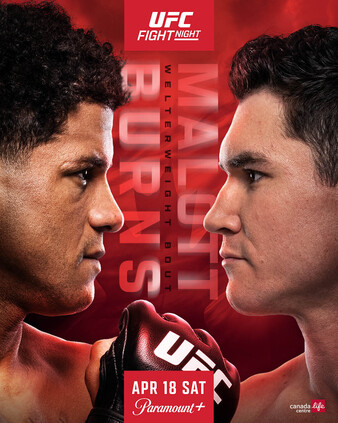
Explore Detailed Fighter Profiles
Click on either the fighter's name or profile image for each fighter to access comprehensive UFC statistics including striking metrics, grappling data, clinch performance, complete fight history, offensive & defensive analytics, and round-by-round breakdowns.
Jamie Siraj
Fighter Metrics
Victory Methods
Win Round Distribution
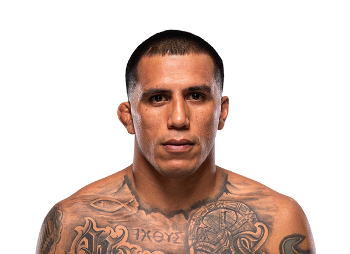
John Yannis
Fighter Metrics
Victory Methods
Win Round Distribution
📋 Last 5 Fights - Jamie Siraj
| Date | Opponent | Result | Method |
|---|---|---|---|
| 2026-02-19 | Donny Matos | W | SUB (Rear Naked Choke) (R2, 1:33) |
| 2025-10-16 | Gustavo Erak | W | SUB (Rear Naked Choke) (R2, 4:23) |
| 2025-03-14 | Diego Brandão | L | TKO (Spinning Wheel Kick & Punches) (R1, 3:28) |
| 2024-12-04 | Nemat Abdrashitov | W | TKO (Ground & Pound) (R5, 4:37) |
| 2024-09-06 | David Briones | W | DEC (Unanimous) (R3, 5:00) |
📋 Last 5 Fights - John Yannis
| Date | Opponent | Result | Method |
|---|---|---|---|
| 2025-08-02 | Austin Bashi | L | SUB (Rear Naked Choke) (R1, 3:39) |
| 2025-05-25 | Nick Aguirre | W | TKO (R4, 3:08) |
| 2024-12-15 | CJ Jimenez | W | TKO (R2, 0:09) |
| 2024-09-22 | Dimas Chapa | W | TKO (R2, 1:59) |
| 2024-03-10 | Gabriel Wanderley | L | SUB (Rear Naked Choke) (R2, 3:26) |
Technical Analysis
Technical Score
Cardio Score
Overall Rating
📊 Technical Score
Calculated as the average of Striking Composite (66.0 vs 66.0) and Grappling Composite (78.0 vs 55.0). Balances overall striking effectiveness with grappling ability to measure complete technical skills.
💪 Cardio Score
Based on average fight duration, striking rate per minute, takedown rate, and finish rate. Measures cardiovascular endurance and ability to maintain pace throughout fights.
🎯 Overall Rating
Simple average of Technical Score and Cardio Score. Provides a holistic view of fighter capabilities combining skill level with physical conditioning and fight performance.
Striking Composite
Grappling Composite
Technical Radar Comparison
Visual comparison of key performance metrics between both fighters
📊 Detailed Statistical Comparison
🥊 Fight Analysis Breakdown
🧩 Jamie Siraj Key Advantages
Jamie Siraj's submission game is the defining weapon in this matchup. With 7 of his 14 wins coming by submission (50%), including five rear naked choke finishes, Siraj possesses elite back-taking and finishing ability. His most recent two wins were both RNC finishes in Round 2, demonstrating a refined ability to transition from takedowns to back control and lock in chokes. Against Yannis, who has lost both of his career defeats by submission (both RNC), this creates a dangerous stylistic matchup that heavily favors Siraj on the mat.
The grappling credentials gap is stark. Yannis has zero submission victories in his 13-fight career and has been submitted twice—both by rear naked choke. Meanwhile, Siraj has 7 submission victories and is coming off back-to-back RNC finishes against experienced opponents (Donny Matos at 13-3 and Gustavo Erak at 12-3). Once Siraj secures top position or back control, Yannis has shown limited ability to escape or threaten offensively from bottom. This stylistic mismatch becomes increasingly dangerous as the fight progresses and Yannis expends energy on takedown defense.
With 17 professional fights across multiple promotions (BFL, Tuff-N-Uff, Rise FC, Unified MMA), Siraj brings significantly more cage experience than Yannis's 13 fights. His ability to grind five-round decisions (as seen in the Abdrashitov TKO in R5) and adapt mid-fight demonstrates mature fight IQ. Siraj's 82% win rate and 79% finish rate show he can both outwork opponents and find the finish. His longest win streak of 6 fights demonstrates sustained competitive momentum, while his ability to bounce back from losses (returning with two straight sub wins after the Brandão TKO loss) shows resilience and improvement.
⚠️ Unfavorable Scenarios
Yannis has legitimate knockout power, with 56% of his wins coming by KO/TKO. His recent run of three consecutive TKO victories (Aguirre, Jimenez, Chapa) shows an increasingly refined ability to hurt opponents on the feet. If Siraj stands in the pocket too long or fails to close distance for takedowns, Yannis's power shots could end the fight early—particularly in Round 1 where Yannis tends to be freshest and most explosive. Siraj's only two career stoppage losses came via strikes, suggesting vulnerability on the feet against power punchers.
This is Siraj's UFC debut after building his career across regional promotions. The step up in competition level, bigger stage, and different rule enforcement can affect fighters differently. While Siraj has fought experienced opponents in BFL and Tuff-N-Uff, the UFC cage is a different environment entirely. Yannis, having already made his UFC debut (albeit a loss to the highly ranked Austin Bashi), has the experience advantage of knowing what the big show feels like. If Siraj's nerves affect his timing on takedown entries or submission setups, Yannis could capitalize with his striking power.
📋 Likely Gameplan
Siraj should look to close distance early and establish clinch control against the fence. From the clinch, his takedown entries become shorter and harder to defend, allowing him to bypass Yannis's striking range entirely. Once on the mat, Siraj should prioritize back-takes over ground-and-pound, given his elite RNC finishing ability. The key is chaining attempts—if the first takedown is stuffed, immediately re-shoot or transition to a different grip to maintain pressure without separating to striking range.
Once Siraj secures takedowns, his priority should be establishing dominant positions and working toward back control. Rather than rushing submission attempts, Siraj should focus on draining Yannis's energy through positional control and short strikes before transitioning to choke attempts. Given Yannis's clear vulnerability to rear naked chokes (both career submission losses), Siraj should systematically work toward the back in later rounds when Yannis's defensive reactions slow. This patient approach maximizes the probability of a finish while minimizing scramble risk.
🚀 John Yannis Key Advantages
Yannis's knockout power is his defining weapon—with 5 of his 9 wins coming by KO/TKO (56%), he carries genuine fight-ending ability in both hands. His recent three-fight TKO streak (Aguirre in R4, Jimenez in R2, and Chapa in R2) demonstrates improving finishing instincts and the ability to hurt opponents at different ranges and in different rounds. The 0:09 second TKO of CJ Jimenez showcases explosive early power, while the R4 finish of Nick Aguirre shows he can be patient and find the KO later. Against Siraj, keeping the fight standing gives Yannis his best chance to land the type of fight-ending shot that neutralizes grappling advantages.
While Yannis lost his UFC debut to the highly touted Austin Bashi (#75 ranked), the experience of competing on the biggest stage in MMA provides an intangible edge. Yannis knows what the UFC cage feels like, has been through the fight week process, and understands the increased intensity. Siraj is making his UFC debut, and even the most experienced regional fighters can be affected by the occasion. Yannis's Fury FC background (8-3 across 11 fights) shows he's battle-tested, and his 44% decision win rate demonstrates he can compete in close, grinding fights when the knockout doesn't come.
⚠️ Unfavorable Scenarios
Siraj's grappling advantage creates a nightmare scenario for Yannis. Once the fight hits the mat, Siraj's submission chain—particularly his rear naked choke— becomes an ever-present threat. Yannis has been submitted twice in his career, both times by RNC, and Siraj has five career RNC finishes. Any extended grappling exchange dramatically favors Siraj, and Yannis must treat every clinch entry as a potential fight-ending sequence. The longer Yannis spends on the ground or in the clinch, the more likely Siraj is to find the back and finish.
Yannis's 50% loss rate by submission (2 of 4 losses) is the most critical vulnerability in this matchup. Both submission losses came via rear naked choke— exactly the technique Siraj has mastered with five career RNC finishes. Yannis has zero submission wins to leverage as a threat from bottom position, meaning any grappling exchange is essentially one-directional in terms of finish threat. If Yannis cannot keep the fight standing, his path to victory narrows significantly, and every scramble becomes a potential fight-ending opportunity for Siraj.
📋 Likely Gameplan
Yannis's optimal strategy revolves around maintaining distance and keeping the fight upright. He should use jabs, leg kicks, and lateral movement to prevent Siraj from closing distance for clinch entries. When Siraj shoots, Yannis needs to sprawl decisively and immediately reset to range rather than engaging in scrambles. His power shots should be strategic—look for the counter knockout when Siraj overcommits to a takedown entry. Every second the fight stays on the feet tilts the odds more in Yannis's favor.
Yannis's best chance for victory lies in front-loading damage during the first two rounds when he's freshest. His explosive KO power (5 TKO wins) is most dangerous early before Siraj's grappling pressure can wear him down. Yannis should look for early knockout opportunities, particularly when Siraj commits to takedown entries— counter uppercuts and knees during level changes represent his highest-percentage finishing opportunities. If he can hurt Siraj early, it may also diminish Siraj's willingness to shoot and play into a striking contest.
🎯 Fight Prediction Analysis
Data-driven prediction model based on statistical analysis
📊Detailed Analysis Summary
🏟️Cage Dynamics
This featherweight bout represents a classic grappler vs. striker matchup. The standard octagon provides enough space for Yannis to maintain range early, but Siraj's pressure and clinch work should gradually compress the fighting area. Siraj will look to close distance along the fence where his takedown entries become shorter and harder to defend. Yannis must use footwork and angles to keep the fight in open space where his striking advantage is maximized. The three-round format adds urgency for both fighters—Siraj needs to establish grappling control early to accumulate enough scoring, while Yannis must capitalize on his early power before fatigue from defending takedowns sets in.
🎯Technical Breakdown
The statistical analysis reveals two contrasting profiles: Siraj's submission-dominant record (7 SUB wins, 50% of victories) vs. Yannis's striking-centric approach (5 KO/TKO wins, 56% of victories). The critical asymmetry is in grappling defense—Yannis has been submitted twice (both by RNC, his exact weakness), while Siraj has five RNC finishes (his exact strength). This creates a dangerous one-way funnel: once the fight hits the mat, the finish probability flows almost entirely toward Siraj. Yannis's zero submission wins mean he cannot threaten offensively from bottom, making every grappling exchange a purely defensive endeavor. Siraj's 82% win rate and 79% finish rate demonstrate he can consistently convert dominant positions into victories.
🧩Key Battle Areas
Three critical battle areas will determine the outcome: takedown defense vs. clinch entries, counter striking vs. level changes, and submission defense on the mat. Yannis must stuff or sprawl on Siraj's takedown attempts and immediately disengage rather than wrestle—any extended grappling exchange favors Siraj's submission game. Siraj's entry timing on takedowns will be tested against UFC-level striking—if Yannis can time counter uppercuts or knees during level changes, he creates flash KO opportunities. The third battleground is mat grappling: if Siraj secures takedowns, can he advance to back control before Yannis walls up? Both fighters have shown the ability to finish fights in Round 2, making the middle portion of this bout likely the decisive period.
🏁Final Prediction
The most likely outcome is Jamie Siraj by Submission (32% probability), achieved through takedown chains into back control and rear naked choke—his signature finish and Yannis's demonstrated weakness. Siraj's Decision path (20%) becomes viable through positional control and grinding if he can't secure the finish. Yannis's primary upset path is KO/TKO (28%) via counter strikes during Siraj's takedown entries or in open striking exchanges. Yannis by Decision (10%) requires him to stuff virtually all takedown attempts and outstrike Siraj across three rounds—achievable but challenging given Siraj's persistent pressure style and grappling depth.
💰 Betting Analysis: Model vs Market
Detailed value assessment in the betting market
📊Market Odds
🤖Analytical Model
💎Value Opportunities
MAXIMUM VALUE
Model: 32% | Fair: +213
GOOD VALUE
Model: 28% | Fair: +257
SLIGHT VALUE
Model: 60% finish | Fair: -150
⚠️Key Market Discrepancies
- • Overweights striking exchanges – Underprices Siraj's submission finishing ability.
- • Undervalues grappling asymmetry – Yannis's RNC vulnerability vs Siraj's RNC expertise is critical.
- • UFC debut discount – Regional champions with 17+ fights are less affected by debut nerves.
🎯 Comprehensive Probabilistic Analysis
100 hypothetical fight simulation based on statistical data
🏆Outcome Distribution - Jamie Siraj
Primary path via back-takes and RNC
Grinding positional control without finish
Ground-and-pound TKO via top control
💥Outcome Distribution - John Yannis
Best lane via counter strikes and early KO
Requires domination of the striking range
Zero career submission wins
⏰Fight Timeline Analysis
⚡Window of Opportunity - John Yannis
- • First 5 minutes: Highest KO equity while fresh and explosive.
- • Counter strikes: Time uppercuts and knees during Siraj's level changes.
- • Avoid clinch: Sprawl and reset; never engage in grappling exchanges.
🎯Progressive Dominance - Jamie Siraj
- • Clinch entries: Close distance and chain takedowns along the fence.
- • Back control: Prioritize back-takes over positional control for RNC.
- • Late rounds: Submission threat increases as Yannis fatigues.
🎯 Final Confidence Assessment
Confidence level and uncertainty factors
Confidence Level
Clear grappling edge and stylistic matchup advantage
✅Supporting Factors
- • Dominant submission game (7 SUB wins, 50% of victories)
- • Yannis vulnerable to RNC (both losses by SUB)
- • More pro fights and higher finish rate (79%)
- • Coming off two consecutive RNC finishes
⚠️Risk Factors
- • UFC debut for Siraj (potential stage nerves)
- • Yannis's legitimate KO power (5 TKO wins)
- • Limited UFC-level striking data for Siraj
🏁Executive Summary
Jamie Siraj's elite submission game creates a decisive stylistic advantage in this featherweight bout. With 7 submission victories (50% of wins) and five career RNC finishes, Siraj faces an opponent in John Yannis who has been submitted twice—both by rear naked choke. This RNC-vs-RNC- vulnerability matchup is the central dynamic. While Yannis possesses legitimate KO/TKO power (56% of wins), his zero submission wins and clear grappling defense gaps make any ground exchange a one-directional finish funnel favoring Siraj. Siraj's 17-fight experience across multiple promotions provides an edge over Yannis's 13 fights, though this is Siraj's UFC debut which introduces some uncertainty.
Prediction: Siraj by Submission most likely (32% probability) through clinch-to-takedown chains into back control and RNC; Yannis's best path is KO/TKO (28%) via counter strikes during Siraj's takedown entries. The fight hinges on whether Yannis can keep the fight standing and capitalize on his early power before Siraj's grappling pressure and superior submission game take over.