

Kyoji Horiguchi vs Tagir Ulanbekov
UFC Qatar • Saturday, November 22, 2025

Click on each fighter's name or profile image to open their dedicated analytics page with full UFC stats, fight history, and advanced striking/grappling breakdowns.
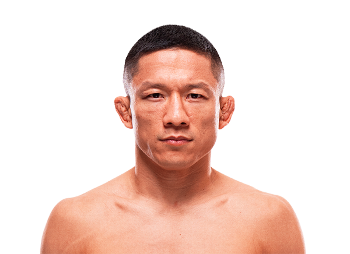
Fighter Metrics
Victory Methods
Win Round Distribution
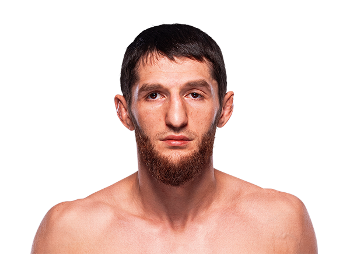
Fighter Metrics
Victory Methods
Win Round Distribution
Last 5 Fights – Kyoji Horiguchi
| Date | Opponent | Result | Method |
|---|---|---|---|
| 2024-12-31 | Nkazimulo Zulu | W | Decision - Unanimous (R3, 5:00) |
| 2024-06-09 | Sergio Pettis | W | Decision - Unanimous (R3, 5:00) |
| 2023-12-31 | Makoto Shinryu | W | Submission - Rear Naked Choke (R2, 3:44) |
| 2023-07-29 | Makoto Shinryu | NC | No Contest - Eye Poke (R1, 0:25) |
| 2022-12-31 | Hiromasa Ougikubo | W | Decision - Unanimous (R3, 5:00) |
Last 5 Fights – Tagir Ulanbekov
| Date | Opponent | Result | Method |
|---|---|---|---|
| 2025-06-21 | Azat Maksum | W | Decision - Unanimous (R3, 5:00) |
| 2025-01-18 | Clayton Carpenter | W | Decision - Unanimous (R3, 5:00) |
| 2023-12-16 | Cody Durden | W | Submission - Rear-Naked Choke (R2, 4:25) |
| 2022-11-05 | Nate Maness | W | Submission - Guillotine Choke (R1, 2:11) |
| 2022-03-05 | Tim Elliott | L | Decision - Unanimous (R3, 5:00) |
Technical Analysis
Technical Score
Cardio Score
Overall Rating
📊Technical Score
Calculated as the average of Striking Composite (58 vs 50) and Grappling Composite (33 vs 47), capturing overall skill quality in both phases.
💪Cardio Score
Built from average fight duration, tempo (SLpM), takedown attempts, and finish rate; it reflects a fighter's ability to sustain pace and output through extended exchanges and scrambles.
🎯Overall Rating
Simple average of Technical and Cardio scores, providing a holistic snapshot of skill and conditioning without overfitting to any single metric or fight sample.
Striking Composite
Grappling Composite
🥊Striking Composite
Weighted combination of SLpM, strike accuracy, strike defense and strikes absorbed per minute. It rewards efficient volume and clean defense while penalizing fighters who win minutes but eat heavy shots in return.
🤼Grappling Composite
Aggregates TD attempts per 15, takedown accuracy, takedown defense and submission attempts. Persistent chain-wrestling and submission hunting score higher than one-and-done shots or low-urgency control.
Technical Radar Comparison
Detailed Statistical Comparison
🎯 Fight Prediction Analysis
Modelled 3-round probabilities for minute-winning, control time, and finishing equity.
📊Detailed Analysis Summary
🏟️Geography & Optics
The 30-foot cage favors Horiguchi's lateral movement, reset ability, and counter-striking lanes, but Ulanbekov can still bank rounds if he consistently reaches the hips and stacks control time against the fence. Close rounds will likely come down to how judges weigh clean counters and damage versus top control and clinch dominance.
🎯Technical Balance
Horiguchi's superior strike defense (62% vs 52%) and counter-timing create live punishment opportunities on Ulanbekov's entries, yet Tagir's 2.94 takedowns per 15 minutes and 1.6 submissions per 15 anchor a strong control–submission axis. The matchup hinges on whether Horiguchi maintains disciplined first-layer defense and controlled scrambles or overextends on exits and concedes neck exposure or back takes.
🧩Decisive Phases
The decisive phases center on first-layer takedown defense and scramble discipline: 3+ successful takedowns with substantial ride time will tilt rounds decisively toward Ulanbekov through control optics and positional dominance. Conversely, clean counter-striking stretches with visible damage will favor Horiguchi's scoring, particularly if he can land significant strikes during takedown attempts. The outcome depends on which fighter can impose their preferred range and pace most consistently.
⚖️Physical & Experience Factors
Ulanbekov's physical advantages (3" height, 4" reach) provide tactical benefits for distance control and clinch establishment, while Horiguchi's extensive experience (39 professional fights, 87% win rate) offers strategic adaptability and veteran composure. The combination of Ulanbekov's fresher career trajectory (19 fights vs 39) against Horiguchi's battle-tested resilience creates an intriguing dynamic where physical attributes meet mental toughness in a high-stakes flyweight contest.
💰 Betting Analysis: Model vs Market
Comparison of BetOnline moneyline and method props vs our model probabilities.
📊Market Odds (BetOnline)
🤖Analytical Model (Moneyline Fair Lines)
💎Value Opportunities (Directional)
Model around 36% decision equity; numbers often drift into playable territory relative to control-based win paths.
Both men have durable profiles and strong cardio; most sims produce control and minutes instead of high chaos finishes.
Low-frequency but legitimate outcome off clean counter windows if Ulanbekov's entries become predictable in space.
🎯 Comprehensive Probabilistic Analysis
100 hypothetical fight simulation based on statistical data
🏆Outcome Distribution - Kyoji Horiguchi
Primary path via minute-winning stretches
Counter bursts off entries
Low historical submission rate
💥Outcome Distribution - Tagir Ulanbekov
Control time and re-entries
Guillotine/back-take series
Low one-shot KO profile
⏰Fight Timeline Analysis
⚡Window of Opportunity - Tagir Ulanbekov
- • First 5 minutes: Highest TD success and ride potential
- • Reshoot discipline: Chain attempts to keep top time
- • Head control: Smother counters in clinch entries
🎯Minute Winning - Kyoji Horiguchi
- • Feints and exits: Draw shots and counter clean
- • Calf kicks: Maintain stance disruption
- • Scramble discipline: Frame first, then build
🎯 Final Confidence Assessment
How strongly the model leans to Ulanbekov's control routes vs Horiguchi's counter equity.
Clear lean toward wrestle-control, but flyweight volatility and counter windows keep the fight live.
Supporting Factors
- • Higher TD volume and proven ride time in UFC sample.
- • Live front-headlock and back-take submission series.
- • 3-round scoring often rewards control optics.
- • Comparable cardio for sustained wrestling pace.
Risk Factors
- • Large cage amplifies Horiguchi's escape routes.
- • Clean counters off predictable entries are live.
- • Judges may prioritize damage over control in spots.
- • Flyweight pace inherently increases variance.
🏁Executive Summary
Tagir Ulanbekov's systematic approach to wrestle-control and submission pressure aligns directly with Kyoji Horiguchi's most attackable defensive area (55% takedown defense), while the 30-foot cage and Horiguchi's counter-striking speed keep disruption equity alive for the Japanese veteran. The statistical differentials favor Ulanbekov: his 2.94 takedowns per 15 minutes vs Horiguchi's 2.0 creates a meaningful volume advantage, while his 1.6 submissions per 15 minutes represents a live finishing threat that Horiguchi must respect throughout the fight. Ulanbekov's 62% takedown defense vs Horiguchi's 55% suggests he can better defend against counter-takedowns, while his superior reach (70" vs 66") provides tactical benefits for clinch establishment and distance control. Horiguchi's 62% striking defense vs Ulanbekov's 52% creates counter-striking opportunities during takedown attempts, but the Japanese fighter's 55% takedown defense leaves him vulnerable to persistent chain-wrestling sequences. The 30-foot cage initially favors Horiguchi's lateral movement and reset ability, but Ulanbekov's ability to cut off angles and force exchanges at the fence can transform the spacious environment into a control advantage as the fight progresses.
Prediction: Ulanbekov by Decision most likely (36% probability) through consistent takedown pressure and control time accumulation, with a live submission path (18%) via guillotine or back-take series if Horiguchi's defensive discipline breaks down. Horiguchi's upset lane centers on counter-striking (17% KO/TKO probability) via clean counters during takedown attempts, particularly in the early rounds when Ulanbekov's entries may be more predictable. The fight's outcome hinges on whether Horiguchi can maintain his defensive discipline and counter-timing under persistent wrestling pressure, or if Ulanbekov's chain-wrestling and submission threats overwhelm the Japanese veteran's defensive capabilities.