

Quillan Salkilld vs Jamie Mullarkey
Men's Lightweight Bout • UFC 325: Volkanovski vs. Lopes 2
Saturday, January 31, 2026 • Qudos Arena, Sydney, Australia

Explore Detailed Fighter Profiles
Click on either the fighter's name or profile image for each fighter to access comprehensive UFC statistics including striking metrics, grappling data, clinch performance, complete fight history, offensive & defensive analytics, and round-by-round breakdowns.
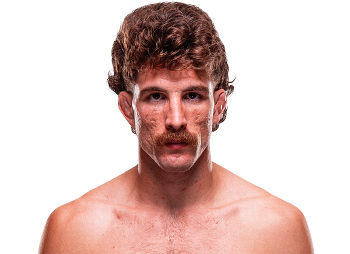
Quillan Salkilld
7-1-0
Quillan Salkilld
Fighter Metrics
Victory Methods
Win Round Distribution
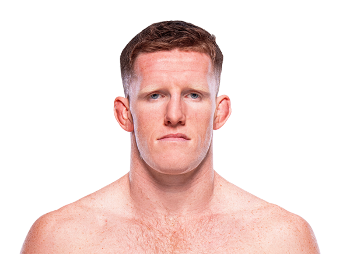
Jamie Mullarkey
18-8-0
Jamie Mullarkey
Fighter Metrics
Victory Methods
Win Round Distribution
📋 Last 5 Fights - Quillan Salkilld
| Date | Opponent | Result | Method |
|---|---|---|---|
| 2025-10-25 | Nasrat Haqparast | W | KO/TKO (Head Kick) (1, 2:30) |
| 2025-06-07 | Yanal Ashmouz | W | Decision (Unanimous) (3, 5:00) |
| 2025-02-08 | Anshul Jubli | W | KO/TKO (Right Cross) (1, 0:19) |
| 2024-09-03 | Gauge Young | W | Decision (Unanimous) (3, 5:00) |
| 2024-02-10 | Dom Mar Fan | W | Submission (RNC) (2, 3:03) |
📋 Last 5 Fights - Jamie Mullarkey
| Date | Opponent | Result | Method |
|---|---|---|---|
| 2025-09-27 | Rolando Bedoya | W | Decision (Unanimous) (3, 5:00) |
| 2024-05-04 | Mauricio Ruffy | L | TKO (Strikes) (1, 4:42) |
| 2023-12-09 | Nasrat Haqparast | L | TKO (Punches) (1, 1:44) |
| 2023-09-09 | John Makdessi | W | Decision (Unanimous) (3, 5:00) |
| 2023-06-03 | Muhammad Naimov | L | TKO (Strikes) (2, 2:59) |
Technical Analysis
Technical Score
Cardio Score
Overall Rating
📊 Technical Score
Calculated as the average of Striking Composite (72.0 vs 63.0) and Grappling Composite (85.0 vs 58.0). Balances overall striking effectiveness with grappling ability to measure complete technical skills.
💪 Cardio Score
Based on average fight duration, striking rate per minute, takedown rate, and finish rate. Measures cardiovascular endurance and ability to maintain pace throughout fights.
🎯 Overall Rating
Simple average of Technical Score and Cardio Score. Provides a holistic view of fighter capabilities combining skill level with physical conditioning and fight performance.
Striking Composite
Grappling Composite
Technical Radar Comparison
Visual comparison of key performance metrics between both fighters
📊 Detailed Statistical Comparison
🥊 Fight Analysis Breakdown
🧩 Quillan Salkilld Key Advantages
8.41 takedowns per 15min vs 2.31 represents a 3.6x differential that fundamentally controls fight location. Salkilld's proactive grappling approach—mixing jab setups into clinch entries, bodylock sequences, and mat returns—creates sustained control cycles. His 100% UFC takedown defense vs Mullarkey's 79% means Salkilld dictates where the fight occurs. The Australian's ability to chain multiple attempts and transition from striking into grappling seamlessly keeps Mullarkey defending rather than attacking, creating fatigue and reducing his offensive output over three rounds.
The 13-point striking accuracy differential (60% vs 47%) demonstrates Salkilld's superior shot selection and timing. Combined with absorbing 1.07 fewer strikes per minute (3.46 vs 4.53), Salkilld maintains a damage economy that heavily favors him in scoring optics. While Mullarkey generates volume (4.39 SLpM), Salkilld's efficiency means he lands cleaner, more impactful shots. This defensive soundness allows Salkilld to stay fresh while setting up his grappling entries—he can touch first with precise strikes, force reactions, then capitalize with level changes when Mullarkey's guard is compromised.
Salkilld's perfect 5-0 winning streak with recent finishes over Haqparast (KO R1) and Jubli (KO R1 0:19) demonstrates his finishing ability against quality UFC competition. His 70% career finish rate across multiple methods (KO/TKO 40%, SUB 30%) shows he can capitalize on openings anywhere. With victories in his last UFC outing over Ashmouz by decision, Salkilld has proven he can both finish fights early and grind out decisions when needed. This versatility combined with his 10:06 average fight duration suggests he's comfortable in all scenarios.
⚠️ Unfavorable Scenarios
Mullarkey's pressure fighting background means he's comfortable trading in exchanges and landing power shots when opponents commit. His 56% career KO/TKO rate demonstrates legitimate finishing power. If Salkilld becomes too predictable with his wrestling entries or shoots from too far out, Mullarkey can capitalize with uppercuts, knees, or overhands. The Australian's tendency to work in bursts could catch Salkilld during level changes, potentially changing the fight's trajectory with a single explosive sequence.
If Salkilld's 45% striking defense becomes an issue and Mullarkey can maintain center cage control, the pressure fighter's volume could accumulate damage. The 30-foot cage provides space for Mullarkey to reset and work his combinations without being immediately pressed to the fence. His 4.39 SLpM output, while lower than Salkilld's, can score points if delivered consistently at range. Salkilld's shorter UFC sample (3 fights) means less data on how he responds to sustained pressure from veteran competition.
📋 Likely Gameplan
Salkilld should utilize his double-jab setups to touch Mullarkey's guard, force defensive reactions, then capitalize with clinch entries or level changes. His 60% striking accuracy suggests he can land these setup strikes consistently while maintaining good positioning. By mixing clean striking with immediate grappling transitions—not telegraphing his shots—Salkilld keeps Mullarkey defending both threats simultaneously, preventing him from settling into a comfortable striking rhythm or loading up on power counters.
Once Salkilld secures takedowns, his priority should be maintaining position and accumulating control time rather than immediately hunting finishes. His 0.49 Sub/15 rate and RNC history means submission threats are real, but safely banking minutes through positional control minimizes risk while maximizing scoring. Salkilld can work ground-and-pound from safe positions, tire Mullarkey with mat returns when he stands, and create back-take opportunities through systematic pressure rather than explosive scrambles.
🚀 Jamie Mullarkey Key Advantages
Mullarkey's 56% career KO/TKO rate (10 of 18 wins) demonstrates legitimate finishing power that can change fights with single strikes. His pressure-fighting approach means he's comfortable trading in the pocket and landing power shots when opportunities present. Recent TKO losses show he's been on the wrong end recently, but his offensive power remains real—he's stopped quality opponents and can capitalize on defensive lapses. Against Salkilld's 45% StrDef, Mullarkey's power represents a genuine threat, especially in early exchanges before grappling takes over.
Mullarkey's 10 UFC fights (6-4 record) provide significantly more octagon experience than Salkilld's 3 UFC appearances. This veteran presence means Mullarkey has seen diverse styles, navigated pressure situations, and understands pacing over 15 minutes at the highest level. His ability to bounce back from losses (recent win over Bedoya after TKO losses) shows mental resilience. While experience doesn't guarantee victory, it does provide composure in critical moments and knowledge of how to steal rounds when behind.
⚠️ Unfavorable Scenarios
Salkilld's 8.41 TD/15 vs Mullarkey's 2.31 creates a nightmare matchup where the Australian dictates fight location repeatedly. Once Salkilld secures takedowns, his ability to chain attempts, establish control, and execute mat returns prevents Mullarkey from regaining his feet or establishing striking rhythm. Mullarkey's 79% TDD can stuff some attempts, but Salkilld's volume and persistence typically break through. Once controlled, Mullarkey's striking output drops to near zero while Salkilld banks control time, accumulates damage with ground-and-pound, and threatens submissions from dominant positions.
Mullarkey's 4.53 SApM combined with recent TKO losses (2 in last 4 fights) exposes defensive fragility that Salkilld can exploit. His pressure-fighting style means absorbing strikes to deliver his own, but against Salkilld's 60% accuracy and efficient output, this becomes problematic. The absorption rate suggests Mullarkey's defensive positioning isn't optimal—he gets hit cleanly trying to pressure forward. This vulnerability compounds when facing a fighter who can touch first with precision, then immediately transition to grappling before Mullarkey can retaliate.
📋 Likely Gameplan
Mullarkey should maintain center octagon control and force Salkilld to work from the outside or commit to entries through the middle. His pressure-fighting base means he's comfortable moving forward with volume combinations—jabs, crosses, low kicks—forcing Salkilld to defend or shoot from suboptimal positions. By staying active in the center and threatening counters when Salkilld shoots, Mullarkey can make entries more costly and potentially land the power shots that change fight trajectories. The 30-foot cage provides space to reset after exchanges without being immediately pressured to the fence.
Mullarkey's best chance for victory lies in front-loading aggression in the first 7-8 minutes before Salkilld establishes his wrestling rhythm and control patterns. The Australian should look to capitalize on his early energy advantage with high-output striking combinations and power shots, potentially catching Salkilld before the grappler can impose his game. Early success could force Salkilld to alter his approach or create defensive hesitation on entries. If Mullarkey can build a lead on the scorecards early, it changes Salkilld's risk calculus and might create desperation takedown attempts that are easier to defend.
🎯 Fight Prediction Analysis
Data-driven prediction model based on statistical analysis
📊Detailed Analysis Summary
🏟️Cage Dynamics
The 30-foot large cage provides more space for Mullarkey to circle and reset, theoretically helping him avoid being pressured against the fence. However, this advantage is limited against Salkilld's proactive grappling approach. Salkilld excels at cutting angles and setting up takedowns through striking combinations (double-jab to clinch to bodylock sequences). While the larger cage gives Mullarkey slightly more room to work his pressure striking game and buy time between exchanges, it doesn't eliminate Salkilld's ability to close distance and initiate grappling sequences. The cage size might delay the inevitable wrestling exchanges but won't fundamentally alter Salkilld's path to control.
🎯Technical Breakdown
The statistical differentials paint a clear picture: Salkilld holds massive advantages in the areas that matter most. His 60% striking accuracy versus Mullarkey's 47% demonstrates superior shot selection and timing. More critically, Salkilld's 8.41 TD/15 compared to Mullarkey's 2.31 represents a 3.6x difference in grappling output—a chasm that defines fight control. Salkilld also absorbs significantly less damage (3.46 SApM vs 4.53), indicating better defensive positioning even in striking exchanges. Mullarkey's higher StrDef (54% vs 45%) doesn't translate to actual safety, as evidenced by his recent TKO losses. The key battleground is grappling, where Salkilld's 100% TDD and elite offensive wrestling create an asymmetric control advantage that Mullarkey has no statistical answer for.
🧩Key Battle Areas
Three critical zones will determine the outcome: takedown defense at range, punishment of entries, and cardio depth. Mullarkey's 79% TDD is respectable but faces its toughest test against Salkilld's relentless chain wrestling. If Mullarkey can defend 2-3 entries per round and force pure striking, he has a path—his power and volume could accumulate damage. However, this requires perfect execution over 15 minutes against a fighter who excels at mixing levels and wearing opponents down. Mullarkey's best weapon is catching Salkilld with uppercuts or knees as he shoots, particularly in the first 7-8 minutes before cardio becomes a factor. Salkilld's shorter average fight duration (10:06 vs 9:26) suggests he finishes early, making the opening rounds Mullarkey's best window.
🏁Final Prediction
The most likely outcome is Quillan Salkilld by Decision (30% probability), achieved through consistent takedown accumulation, control time, and superior damage economy across three rounds. Salkilld's KO/TKO path (25%) becomes viable through ground-and-pound accumulation or late-fight stoppages as his grappling pressure breaks Mullarkey down. His submission threat (18%) is real given his RNC finish history and control dominance. Mullarkey's upset lane centers on early KO/TKO (12%), capitalizing on defensive lapses as Salkilld enters or in wild exchanges where both fighters trade. Mullarkey's decision path (13%) requires him to maintain striking distance for large portions of all three rounds—a scenario that becomes increasingly unlikely as Salkilld's wrestling pressure compounds. The 73-27 win probability reflects these pathways, with Salkilld controlling multiple routes to victory while Mullarkey needs specific early windows to manifest.
💰 Betting Analysis: Model vs Market
Detailed value assessment in the betting market
📊Market Odds
🤖Analytical Model
💎Value Opportunities
MAXIMUM VALUE
Model: 30% | Fair: +233
GOOD VALUE
Model: 25% | Fair: +300
SLIGHT VALUE
Model: 52% | Fair: -108
⚠️Key Market Discrepancies
- • Undervalues grappling dominance – 8.41 TD/15 vs 2.31 creates massive control advantage.
- • Overlooks efficiency gap – 60% vs 47% striking accuracy plus 3.46 vs 4.53 absorption differential.
- • Recent loss recency bias – Mullarkey's TKO losses may inflate value on Salkilld finishes.
🎯 Comprehensive Probabilistic Analysis
100 hypothetical fight simulation based on statistical data
🏆Outcome Distribution - Quillan Salkilld
Primary path via control time and takedown accumulation
Ground-and-pound or late-round accumulation
RNC or control-based submissions from back takes
💥Outcome Distribution - Jamie Mullarkey
Early power strikes catching entries or wild exchanges
Maintaining striking distance and volume across 3 rounds
Rare opportunistic submission in scrambles
⏰Fight Timeline Analysis
⚡Window of Opportunity - Jamie Mullarkey
- • First 5-7 minutes: Highest power striking equity before grappling takes over.
- • Center control: Pressure forward, force Salkilld to work around him.
- • Counter entries: Land power on level changes; make shots costly.
🎯Progressive Dominance - Quillan Salkilld
- • Setup striking: Touch with jabs, force reactions, then grapple.
- • Control banking: Mat returns and position accumulate scoring time.
- • Finish threats: GNP and back-take submissions remain live all fight.
🎯 Final Confidence Assessment
Confidence level and uncertainty factors
Confidence Level
Strong edge via grappling dominance and striking efficiency
✅Supporting Factors
- • Massive takedown volume edge (8.41 vs 2.31 TD/15)
- • Superior striking accuracy (60% vs 47%)
- • Better damage economy (3.46 vs 4.53 SApM)
- • Perfect UFC takedown defense (100% vs 79%)
⚠️Risk Factors
- • Mullarkey's power punching on entry attempts
- • Large cage provides more space to work
- • Salkilld's shorter UFC sample size (3 fights)
🏁Executive Summary
Quillan Salkilld's complete MMA game—blending efficient striking with proactive grappling—creates multiple pathways to victory against Jamie Mullarkey's pressure-based approach. The statistical differentials heavily favor Salkilld: his 8.41 TD/15 vs Mullarkey's 2.31 represents a 3.6x takedown volume advantage, while his 60% vs 47% striking accuracy demonstrates superior shot selection and timing. Salkilld's ability to absorb less damage (3.46 vs 4.53 SApM) while maintaining offensive output creates a sustainable scoring framework, especially when combined with his perfect 100% takedown defense in the UFC. Mullarkey's recent TKO losses (2 in last 4 fights) raise concerns about his defensive durability, though his 10 UFC fights provide valuable experience against diverse competition. The 30-foot cage provides Mullarkey more space to work his pressure striking, but it won't eliminate Salkilld's ability to close distance and initiate grappling sequences through well-timed setups.
Prediction: Salkilld by Decision most likely (30% probability) through consistent takedown accumulation and control time; KO/TKO finish (25%) becomes viable via ground-and-pound or late-round accumulation, with submission potential (18%) from back takes. Mullarkey's upset lane centers on early KO/TKO (12%) capitalizing on entries or wild exchanges before Salkilld's wrestling pressure compounds. The 73-27 win probability reflects Salkilld's multiple routes to victory versus Mullarkey's narrow early-window dependency.