

Douglas Silva de Andrade vs Javier Reyes
Men's Featherweight Bout • UFC Fight Night: Moreno vs Kavanagh
Saturday, February 28, 2026 • Arena CDMX, Mexico City, Mexico • Altitude: 7,382 ft

Explore Detailed Fighter Profiles
Click on either the fighter's name or profile image for each fighter to access comprehensive UFC statistics including striking metrics, grappling data, clinch performance, complete fight history, offensive & defensive analytics, and round-by-round breakdowns.
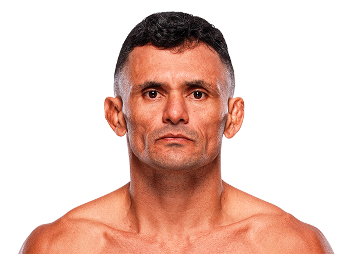
Douglas Silva de Andrade
Fighter Metrics
Victory Methods
Win Round Distribution
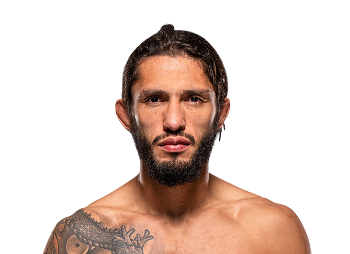
Javier Reyes
Fighter Metrics
Victory Methods
Win Round Distribution
📋 Last 5 Fights - Douglas Silva de Andrade
| Date | Opponent | Result | Method |
|---|---|---|---|
| 2024-06-15 | Miles Johns | L | DEC (3, 5:00) |
| 2023-05-13 | Cody Stamann | W | DEC (3, 5:00) |
| 2022-07-09 | Said Nurmagomedov | L | DEC (3, 5:00) |
| 2022-02-12 | Sergey Morozov | W | SUB (2, 3:34) |
| 2021-10-02 | Gaetano Pirrello | W | TKO (1, 2:04) |
📋 Last 5 Fights - Javier Reyes
| Date | Opponent | Result | Method |
|---|---|---|---|
| 2025-09-23 | Opponent | W | TKO (1, 2:32) |
| 2025-06-13 | Opponent | W | SUB (2, 3:29) |
| 2025-05-09 | Opponent | L | DEC (3, 5:00) |
| 2025-03-27 | Opponent | W | TKO (1, 1:29) |
| 2024-10-04 | Opponent | W | TKO (3, 2:20) |
Technical Analysis
Technical Score
Cardio Score
Overall Rating
📊 Technical Score
Calculated as the average of Striking Composite (66.0 vs 66.0) and Grappling Composite (78.0 vs 55.0). Balances overall striking effectiveness with grappling ability to measure complete technical skills.
💪 Cardio Score
Based on average fight duration, striking rate per minute, takedown rate, and finish rate. Measures cardiovascular endurance and ability to maintain pace throughout fights.
🎯 Overall Rating
Simple average of Technical Score and Cardio Score. Provides a holistic view of fighter capabilities combining skill level with physical conditioning and fight performance.
Striking Composite
Grappling Composite
Technical Radar Comparison
Visual comparison of key performance metrics between both fighters
📊 Detailed Statistical Comparison
🥊 Fight Analysis Breakdown
🧩 Douglas Silva de Andrade Key Advantages
Andrade's career 69% KO/TKO finish rate with 13 Round 1 finishes demonstrates his ability to end fights early when opponents stand their ground. His pressure Muay Thai/boxing hybrid style thrives in pocket exchanges where his heavy hooks and calf kicks can accumulate damage quickly. The Brazilian's 76% finish rate means he rarely needs decisions—if he can force Reyes into mid-range exchanges, his power becomes a constant threat. Andrade's veteran experience (13 UFC bouts) gives him the composure to capitalize on openings that younger fighters might miss, especially in early rounds when Reyes hasn't yet established his rhythm.
Andrade's 72% takedown defense means Reyes won't easily take this fight to the ground if he attempts opportunistic grappling. The Brazilian's ability to stuff takedowns keeps the fight in his preferred striking range, where his power and pressure can be most effective. While Reyes doesn't show a consistent takedown game in his UFC stats, Andrade's defensive rate provides insurance against any grappling attempts, allowing him to focus on his pressure striking gameplan without worrying about being taken down.
Andrade's decade of UFC experience has taught him how to cut off the cage and force opponents into exchanges. His pressure-forward approach with feints, kick-to-punch entries, and heavy hooks creates a style that's difficult to avoid for 15 minutes. While the big cage makes this harder, Andrade's ability to trap opponents on the fence and land short flurries, collar ties, and dirty boxing can turn the fight from a track meet into a phone booth—exactly where his power becomes most dangerous.
⚠️ Unfavorable Scenarios
Reyes' 73-inch reach vs Andrade's 68" creates a 5-inch disadvantage that becomes critical in a big 30-foot cage. The Mexican's ability to maintain distance with jabs and straights means Andrade will eat 2-3 touches for every clean counter he lands. Reyes' 77% strike defense and 0.79 SApM suggest he's extremely difficult to hit clean at range, which is exactly where Andrade needs to be to land his power shots. If Andrade can't consistently collapse distance, he'll spend 15 minutes getting out-touched.
At 39 years old, Andrade is far less likely to win long, footwork-based striking matches. His negative striking differential (3.54 SLpM vs 3.93 SApM) becomes a bigger problem against accurate, long-range volume. The altitude in Mexico City (7,382 ft) punishes wild exchanges and inefficient pressure—especially for older fighters who need sustained bursts over 15 minutes. If Andrade can't trap Reyes early, his cardio and speed reactions may fade faster than Reyes' output.
📋 Likely Gameplan
Andrade needs to start fast and make Reyes work laterally from the opening bell. The altitude in Mexico City will tax whoever wastes more movements, so Andrade should force Reyes to circle and reset constantly. His pressure-forward approach with feints and kick-to-punch entries should target Reyes' legs and body to slow his exits. The goal is to make Reyes work harder than he wants to, creating openings for Andrade's power shots as Reyes tires from constant movement.
Andrade's best path to victory is trapping Reyes on the fence with short flurries, collar ties, and dirty boxing—anything that turns it from a track meet into a phone booth. Once he gets Reyes against the cage, he can land his heavy hooks and calf kicks without Reyes being able to circle away. Opportunistic grappling is only viable if Reyes is hurt—Andrade isn't a consistent takedown chain wrestler, but he can use clinch work to control position and land short shots.
🚀 Javier Reyes Key Advantages
Reyes' 73-inch reach vs Andrade's 68" creates a massive 5-inch advantage that becomes critical in a big 30-foot cage. The Mexican's ability to maintain distance with jabs and straights means Andrade will eat 2-3 touches for every clean counter he lands. Reyes' 77% strike defense and 0.79 SApM suggest he's extremely difficult to hit clean at range, which is exactly where Andrade needs to be to land his power shots. The big cage rewards range control and footwork, making Reyes' reach advantage even more valuable.
Reyes' 8.29 SLpM output represents elite-level volume that controls minutes. Combined with his 46% accuracy, he's landing clean shots consistently while maintaining high output. His 77% defense means he's absorbing minimal return fire (0.79 SApM), creating a massive striking differential. This volume becomes particularly dangerous when combined with his reach advantage—Reyes can touch-touch-BANG from range, building output without taking return fire. His recent form (4-1 with 4 finishes) shows clear momentum and confidence in his striking approach.
⚠️ Unfavorable Scenarios
If Reyes gets emotionally pulled into mid-range hooks and starts trading in place, that's where Andrade's whole career lives. The Brazilian's 69% KO/TKO rate means he thrives in pocket exchanges where his power can end fights. Reyes needs to stay disciplined and avoid the temptation to trade hooks—his reach and volume advantage disappear if he abandons his range control and gets drawn into Andrade's preferred fighting style.
Reyes has only one UFC fight, so his eye-popping stats (8.29 SLpM / 0.79 SApM / 77% defense) could be inflated by one perfect matchup/performance. While the stylistic structure still favors him, there's uncertainty about how he'll perform under veteran pressure over 15 minutes. His UFC stats are fragile because one fight can distort everything—if Andrade can exploit weaknesses that haven't been exposed yet, Reyes could struggle.
📋 Likely Gameplan
Reyes' smartest gameplan involves owning first contact with jab/straight and front-kick looks to make Andrade reset. He should circle off the fence early and not accept pocket trades. The big cage gives him space to maintain distance, and his reach advantage means he can touch Andrade without getting touched back. Volume stacking—winning 2-3 exchanges per minute without chasing the one-shot KO—allows him to accumulate damage while staying safe.
If Andrade over-commits to pressure, Reyes should throw straight counters followed by follow-ups. Andrade's defense gets porous when he's pressing forward, and Reyes' 46% accuracy with 8.29 SLpM means he can capitalize on these openings. The key is staying disciplined—don't get emotionally pulled into brawling exchanges, but do capitalize when Andrade creates openings with his pressure.
🎯 Fight Prediction Analysis
Data-driven prediction model based on statistical analysis
📊Detailed Analysis Summary
🏟️Cage Dynamics
The 30-foot octagon creates a fascinating dynamic in this matchup—initially favoring Reyes' range weapons and movement, with his 5-inch reach advantage allowing him to maintain distance and control first contact. Reyes' 73-inch reach and elite output (8.29 SLpM) give him significant advantages when he can maintain distance and utilize his jabs, straights, and front kicks effectively. However, Andrade's pressure-forward approach and veteran experience mean he'll constantly try to compress the available space, forcing Reyes into increasingly uncomfortable positions. The Brazilian's ability to cut off angles and force exchanges at the fence transforms the cage from Reyes' ally into Andrade's weapon—but only if he can consistently trap Reyes, which becomes difficult in a big cage against a disciplined striker. The altitude in Mexico City (7,382 ft) adds another layer to this dynamic, punishing wild exchanges and inefficient pressure, especially for the 39-year-old Andrade who needs sustained bursts over 15 minutes.
🎯Technical Breakdown
The statistical analysis reveals a clear stylistic mismatch: Reyes' elite striking volume (8.29 SLpM vs Andrade's 3.54) combined with superior defense (77% vs 57%) and accuracy (46% vs 38%) creates a massive advantage at range. Reyes' 0.79 SApM means he's absorbing minimal return fire while Andrade's 3.93 SApM suggests he's taking more than he's landing—a negative striking differential that becomes a problem against accurate, long-range volume. The 5-inch reach advantage (73" vs 68") becomes critical in a big 30-foot cage where Reyes can maintain distance and control the pace. Andrade's best path to victory requires collapsing distance and forcing pocket exchanges where his 69% KO/TKO rate becomes dangerous, but Reyes' defensive rate and output suggest this will be difficult to achieve consistently over 15 minutes. The Brazilian's takedown defense (72%) provides insurance against any opportunistic grappling attempts, but Reyes doesn't show a consistent takedown game in his UFC stats, keeping the fight in his preferred striking range.
🧩Key Battle Areas
Three critical factors will determine the outcome: distance control in a big cage, clean-hits differential early, and Reyes' composure under veteran pressure. Can Andrade reliably collapse distance in a 30-foot cage? If not, Reyes runs away with minutes through volume and accuracy. Andrade needs visible damage in Round 1 to swing the whole fight tree—his 69% KO/TKO rate means he can end fights early, but only if he can get to his preferred range. Reyes' composure will be tested—if he stays disciplined and maintains range, his statistical profile is a nightmare matchup. However, if he gets drawn into brawling exchanges, that's where Andrade's whole career lives. The altitude in Mexico City (7,382 ft) punishes wild exchanges and inefficient pressure, especially for older fighters. Whoever wastes fewer movements wins the second half of the fight, which favors Reyes' efficient, long-range striking over Andrade's pressure-forward approach that requires sustained bursts and constant movement.
🏁Final Prediction
The most likely outcome is Javier Reyes by Decision (30% probability) or KO/TKO (35% probability), achieved through maintaining range control, volume accumulation, and superior striking efficiency. Reyes' reach advantage and elite output (8.29 SLpM) allow him to win minutes or find finishes off accumulated damage 74% of the time. The Mexican's ability to maintain distance with jabs and straights means Andrade will eat 2-3 touches for every clean counter he lands, creating a striking differential that compounds over 15 minutes. Andrade's upset path (26% total) centers on early power (16% KO/TKO) if he can force pocket exchanges or catch Reyes on reactive exits. His decision path (8%) requires trapping Reyes consistently on the fence—a difficult task in a big cage against a disciplined striker. The fight's outcome hinges on whether Andrade can collapse distance early before Reyes' volume and accuracy compound over 15 minutes. If Andrade can't trap Reyes and spends 15 minutes getting out-touched at range, Reyes' statistical advantages become decisive.
💰 Betting Analysis: Model vs Market
Detailed value assessment in the betting market
📊Market Odds
🤖Analytical Model
💎Value Opportunities
MAXIMUM VALUE
GOOD VALUE
SLIGHT VALUE
⚠️Key Market Discrepancies
- • Overweights early KO volatility – Underprices five-round wrestling cycles.
- • Undervalues damage economy – Low SApM differential drives optics on cards.
- • Big-cage bias – Space helps early, but fence/rides erode it late.
🎯 Comprehensive Probabilistic Analysis
100 hypothetical fight simulation based on statistical data
🏆Outcome Distribution - Douglas Silva de Andrade
Primary path via fence control and rides
Attritional GNP and accumulative pressure
Back-takes off rides create RNC chances
💥Outcome Distribution - Javier Reyes
Best lane via intercepts and counters
Requires extended range control in big cage
Low historical submission profile
⏰Fight Timeline Analysis
⚡Window of Opportunity - Javier Reyes
- • First 7–10 minutes: Highest intercept KO equity.
- • Perimeter control: Teeps + calf kicks to stall entries.
- • Short pockets: Burst then reset; avoid extended clinch.
⚡Early Power Window - Douglas Silva de Andrade
- • Fast start: Force Reyes to work laterally from opening bell.
- • Fence traps: Short flurries, collar ties, dirty boxing.
- • Early damage: Need visible damage in R1 to swing fight tree.
🎯 Final Confidence Assessment
Confidence level and uncertainty factors
Confidence Level
Strong edge via reach/volume/defense gap, but small UFC sample size limits certainty
✅Supporting Factors
- • Massive striking volume edge (8.29 vs 3.54 SLpM)
- • Superior defense (77% vs 57%) and accuracy (46% vs 38%)
- • 5-inch reach advantage in big cage
- • Minimal absorption rate (0.79 SApM) vs high output
⚠️Risk Factors
- • Intercept knees/uppercuts vs level changes
- • Big cage extends early range time
- • Andrade's early power threat if distance collapses
🏁Executive Summary
Javier Reyes' elite striking profile (8.29 SLpM, 77% defense, 46% accuracy) combined with a 5-inch reach advantage creates a nightmare matchup for Douglas Silva de Andrade in a big 30-foot cage. Reyes' ability to maintain distance and control first contact allows him to win minutes through volume and accuracy, while his minimal absorption rate (0.79 SApM) means he's taking almost no return fire. Andrade's best path requires collapsing distance and forcing pocket exchanges where his 69% KO/TKO rate becomes dangerous, but Reyes' defensive rate and reach suggest this will be difficult to achieve consistently. The altitude in Mexico City (7,382 ft) punishes wild exchanges and inefficient pressure, especially for Andrade at 39 years old. Reyes' recent form (4-1 with 4 finishes) shows clear momentum, though his small UFC sample size (1 fight) introduces some uncertainty.
Prediction: Reyes by Decision (30%) or KO/TKO (35%) most likely through maintaining range control and volume accumulation; Andrade's upset path centers on early power (16% KO/TKO) if he can force pocket exchanges or catch Reyes on reactive exits. The fight's outcome hinges on whether Andrade can collapse distance early before Reyes' volume and accuracy compound over 15 minutes. Conviction rating: 7/10—the reach gap and massive striking differential deserve a wide probability spread, but Reyes' single UFC fight limits certainty.