
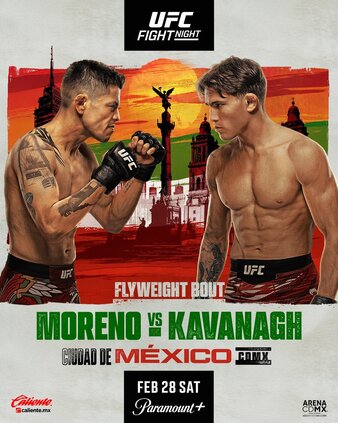
Cristian Quiñonez vs Kris Moutinho
Men's Bantamweight Bout • UFC Fight Night: Moreno vs Kavanagh
Saturday, February 28, 2026 • 30ft Octagon (Large Cage) • Arena CDMX, Mexico City, Mexico
Explore Detailed Fighter Profiles
Click on either the fighter's name or profile image for each fighter to access comprehensive UFC statistics including striking metrics, grappling data, clinch performance, complete fight history, offensive & defensive analytics, and round-by-round breakdowns.
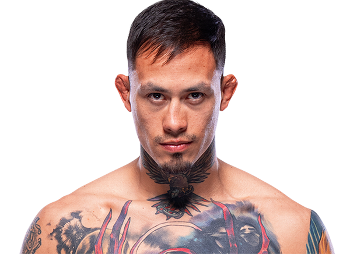
Cristian Quiñonez
18-5-0
Cristian Quiñonez
Fighter Metrics
Victory Methods
Win Round Distribution
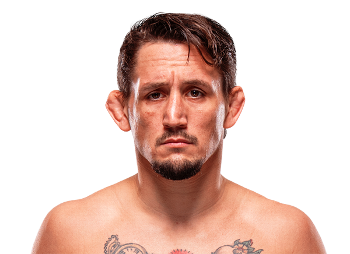
Kris Moutinho
14-7-0
Kris Moutinho
Fighter Metrics
Victory Methods
Win Round Distribution
📋 Last 5 Fights - Cristian Quiñonez
| Date | Opponent | Result | Method |
|---|---|---|---|
| 2024-02-24 | Raoni Barcelos | L | SUB - Rear Naked Choke (R3, 2:04) |
| 2023-06-17 | Kyung Ho Kang | L | SUB - Rear Naked Choke (R1, 2:25) |
| 2022-09-03 | Khalid Taha | W | TKO - Strikes (R1, 3:15) |
| 2021-10-26 | Long Xiao | W | Decision - Unanimous (R3, 5:00) |
| 2021-02-26 | Donny Matos | W | Decision - Unanimous (R3, 5:00) |
📋 Last 5 Fights - Kris Moutinho
| Date | Opponent | Result | Method |
|---|---|---|---|
| 2025-06-14 | Malcolm Wellmaker | L | TKO - Punches (R1, 2:37) |
| 2024-11-09 | Johnny Campbell | W | TKO - Retirement (R2, 5:00) |
| 2024-05-18 | Elijah Harris | W | TKO - Strikes (R3, 1:44) |
| 2023-11-18 | Jay Pressley | W | SUB - Guillotine (R1, 2:17) |
| 2023-07-29 | Matheus Silva | W | TKO - Ground Pound (R2, 2:25) |
Technical Analysis
Technical Score
Cardio Score
Overall Rating
📊 Technical Score
Calculated as the average of Striking Composite (57.9 vs 30.8) and Grappling Composite (49.3 vs 6.0). Balances overall striking effectiveness with grappling ability to measure complete technical skills.
💪 Cardio Score
Based on average fight duration, striking rate per minute, takedown rate, and finish rate. Measures cardiovascular endurance and ability to maintain pace throughout fights.
🎯 Overall Rating
Simple average of Technical Score and Cardio Score. Provides a holistic view of fighter capabilities combining skill level with physical conditioning and fight performance.
Striking Composite
Grappling Composite
Technical Radar Comparison
Visual comparison of key performance metrics between both fighters
📊 Detailed Statistical Comparison
🥊 Fight Analysis Breakdown
🧩 Cristian Quiñonez Key Advantages
The striking defense differential (55% vs 29%) represents the most decisive advantage in this matchup. Quiñonez maintains disciplined footwork and head movement while Moutinho's pressure-first approach leaves massive defensive gaps. Combined with the absorption rate disparity (4.55 vs 14.68 SApM), Quiñonez has the blueprint to land clean counters as Moutinho walks forward. In a large cage, this defensive advantage multiplies—more space to work with means Quiñonez can circle, reset, and pick his spots without being forced into exchanges where Moutinho's durability could become a factor.
While Moutinho edges slightly in volume (4.51 vs 4.19 SLpM), Quiñonez's 40% striking accuracy versus Moutinho's 32% means he lands cleaner, more impactful shots. This precision combined with better shot selection allows Quiñonez to score effectively without entering brawls. His jab-cross combinations and calculated low kicks can accumulate damage while staying out of Moutinho's preferred phone booth range. The Ecuador native's ability to touch and move fits perfectly for a 30-foot cage where space management is key.
Fighting at altitude in Arena CDMX puts immense pressure on fighters who rely on constant forward movement. Moutinho's style—walking forward, cutting the cage, and forcing exchanges—is exactly the type that suffers most in thin air. Quiñonez, who can maintain distance and work at a measured pace, won't exhaust himself chasing. The combination of large cage plus altitude creates a nightmare scenario for pressure fighters: more distance to cover, less oxygen to do it, and a counter-striker who can capitalize when the aggressor slows down.
Despite the "Jiu-Jitsu" label, Quiñonez's career shows KO/TKO as his most common finish method (56% of wins). His ability to hurt opponents with strikes—especially when they over-commit—is a real weapon against someone absorbing 14.68 significant strikes per minute. Moutinho's defensive holes mean the accumulation of clean shots can lead to referee stoppages, particularly if Quiñonez finds his rhythm in rounds 2-3. The Ecuadorian's TKO of Khalid Taha in his last win demonstrates he can capitalize when opponents leave openings.
⚠️ Unfavorable Scenarios
Quiñonez's last two losses both came via rear-naked choke, revealing a critical vulnerability when scrambles go wrong. While Moutinho hasn't shown elite wrestling or submission skills in UFC, his guillotine finish of Jay Pressley demonstrates he can capitalize on opportunistic positions. If the fight devolves into messy clinch exchanges or scrambles—which Moutinho will actively try to create—Quiñonez must be extremely careful about giving up his back. A single positional error could turn a winning performance into a submission loss, especially if fatigue sets in during the Mexico City altitude.
If Quiñonez becomes too passive in trying to conserve energy for altitude, he risks letting Moutinho steal rounds through sheer activity. Judges often reward the fighter moving forward and throwing volume, even if accuracy and defense suffer. In a 3-round fight, Quiñonez can't afford to "survive" a round—he needs to actively score while staying defensive. The combination of thin air and Moutinho's relentless pace could pressure Quiñonez into making tactical errors, especially if he's already dealing with the mental burden of a two-fight losing streak.
📋 Likely Gameplan
Round 1 strategy should focus on establishing the jab-cross combination and low kicks while maintaining movement. Use the large cage to circle laterally, forcing Moutinho to reset his angles repeatedly. Land clean strikes, establish defensive patterns, and don't allow any early clinch or brawl situations. Build confidence with clean entries and exits, making Moutinho pay a price for every aggressive step forward.
Round 2 is when Moutinho's defensive flaws become most exploitable—he'll either be slowing from altitude or over-committing in desperation. Increase strike output when Moutinho starts walking forward linearly, countering his entries with combinations. If he shows signs of fatigue or damage accumulation, press the advantage with sustained offense to force a finish. Stay disciplined on exits—don't linger in the pocket after landing.
Round 3 (if it gets there) requires smart management: continue scoring without taking unnecessary risks. Avoid scrambles where back exposure becomes a factor. Use low kicks and jabs to maintain distance, and if ahead on cards, prioritize defense and clean counter-striking over volume. Keep circling, don't get trapped on the cage, and finish strong to leave no doubt for judges. Altitude will be a factor for both—stay composed and let Moutinho's pursuit burn his tank.
🚀 Kris Moutinho Key Advantages
Moutinho's walk-forward pressure style forces opponents into uncomfortable exchanges where his durability and willingness to trade can override technical advantages. His recent 4-1 run outside UFC (before the last loss) came via this formula—force chaos, make it ugly, and break opponents who can't match his heart. If he can close distance early and keep Quiñonez on the cage, he neutralizes the defensive advantages and turns it into a phone booth brawl where anything can happen. The key is whether he can sustain that pressure for 15 minutes at altitude.
If Moutinho can drag Quiñonez into messy clinch exchanges or scrambles, his opportunistic submission game becomes relevant. His guillotine finish of Jay Pressley and overall 21% submission win rate suggest he can capitalize on mistakes. Quiñonez's vulnerability to giving up his back (two consecutive RNC losses) creates a specific path to victory—force scrambles, look for neck or back positions, and cash in when errors occur. This requires converting striking exchanges into grappling exchanges, which means clinching aggressively after every entry.
Judges often reward the fighter moving forward, especially if the counter-striker isn't landing decisive damage. Moutinho's slight volume edge (4.51 vs 4.19 SLpM) combined with constant aggression could steal rounds on activity alone, particularly if Quiñonez becomes too defensive-minded trying to avoid exchanges. In Mexico, where the crowd will likely favor action, an aggressive Moutinho could create optics that sway close rounds his way even if he's absorbing more damage.
⚠️ Unfavorable Scenarios
The 29% striking defense and 14.68 SApM combination is catastrophic against a precise striker who can manage distance. Every time Moutinho walks forward, he's entering Quiñonez's ideal counter-striking zone without the defensive tools to limit damage. This becomes exponentially worse in a large cage where Quiñonez has space to reset—Moutinho will cover more ground, absorb more punishment, and still fail to force the phone booth exchanges he needs. The referee could stop it if accumulation becomes too severe, especially in round 2-3.
A pressure-dependent style at 7,300 feet elevation is a nightmare scenario. If Moutinho can't close distance early or forces exchanges that go nowhere, his gas tank will drain cutting the cage without landing meaningful offense. Once fatigue sets in, his already-poor defense gets worse, his forward movement slows, and Quiñonez can pick him apart with impunity. The 0-3 UFC record suggests when skill gaps exist, Moutinho can't overcome them through will alone—and altitude magnifies every disadvantage.
With 0.0 TD/15min and no meaningful wrestling data, Moutinho has no Plan B if striking fails. He can't take Quiñonez down to steal rounds or force grappling exchanges that could lead to the submissions he's shown. This one-dimensional approach means if Quiñonez executes a disciplined striking game, there's no avenue for Moutinho to change the narrative or create unexpected paths to victory. He lives or dies by forcing brawls, and that's an extremely narrow margin for success.
📋 Likely Gameplan
Round 1 must be full aggression from the opening bell—cut angles, force clinches, and don't allow Quiñonez to establish rhythm or distance patterns. Every exchange should end with a clinch attempt or cage push. Use feints and head movement (even if limited) to close distance without eating clean counters. The goal is to make Quiñonez uncomfortable early and establish that this will be a war, not a technical striking match.
Round 2 should be about trapping Quiñonez on the cage and forcing scrambles. Look for clinch positions that can transition to takedown attempts or submission opportunities. Don't worry about absorption rate—the only path to victory is making this messy and capitalizing on Quiñonez's back-taking vulnerability. If guillotine or back-take opportunities present themselves, commit fully. Volume won't win this—chaos and opportunism will.
Round 3 (if it gets there) is about survival and activity. Even if behind on cards, constant forward movement and volume can sway judges in a close round. Look for a finish opportunity—Quiñonez may be conservative trying to preserve a lead, creating openings for aggressive surges. Altitude will affect both fighters, so whoever can dig deeper and impose their will in the final minutes could steal the fight. Embrace the dog mentality and force Quiñonez to earn every second.
🎯 Fight Prediction Analysis
Data-driven prediction model based on statistical analysis
📊Detailed Analysis Summary
🏟️Cage & Altitude Dynamics
The 30-foot octagon at Arena CDMX (7,300 feet) creates a compounding disadvantage for Moutinho's pressure-heavy style. Large cages require more energy to cut angles and close distance, while Mexico City's altitude makes every step forward exponentially more taxing. Quiñonez's counter-striking approach thrives in this environment—he can circle, reset, and maintain distance without burning his cardio, while Moutinho must chase constantly to create the chaos he needs. The combination punishes forward aggression that doesn't land immediately, forcing Moutinho to work twice as hard for half the payoff.
🎯Technical Breakdown
The statistical framework reveals a decisive defensive mismatch: Quiñonez's 55% striking defense versus Moutinho's 29% StrDef, combined with the absorption differential (4.55 vs 14.68 SApM), creates a damage economy heavily favoring the Ecuadorian. While Moutinho edges in volume (4.51 vs 4.19 SLpM), Quiñonez's 40% accuracy versus 32% means cleaner, more impactful strikes. The grappling stats (Quiñonez 1.37 TD/15min vs Moutinho 0.0) suggest no wrestling path for Moutinho to change the narrative. These differentials compound across 15 minutes, making Quiñonez's blueprint clear: maintain distance, land counters, avoid scrambles.
🧩Key Battle Areas
Three critical areas determine the outcome: distance management versus pressure pursuit, defensive efficiency versus volume accumulation, and composure versus chaos creation. Quiñonez must maintain disciplined exits after landing strikes—his back-taking vulnerability (two consecutive RNC losses) means scrambles are high-risk. Moutinho needs to force phone booth exchanges where his durability and opportunistic submissions become relevant. The altitude factor becomes decisive in round 2-3: whoever manages energy better controls the fight's final arc. Quiñonez's higher technical scores (53.6 vs 18.4) and better cardio rating (52.7 vs 38.9) suggest he's built for this exact scenario.
🏁Final Prediction
The most likely outcome is Cristian Quiñonez by TKO (42% probability), achieved through accumulation of clean strikes against Moutinho's porous defense, leading to referee stoppage in rounds 2-3 when the damage becomes too severe. Quiñonez by Decision (30%) occurs if he executes a disciplined gameplan without forcing finishes, banking rounds through superior striking and defense. Moutinho's upset paths include KO/TKO (8%) via chaos and unexpected exchanges, Decision (9%) through relentless pressure stealing rounds on activity, and Submission (5%) via opportunistic guillotine or back-take. The 78-22 split reflects fundamental skill gaps amplified by environmental factors that punish Moutinho's style.
💰 Betting Analysis: Model vs Market
Detailed value assessment in the betting market
📊Market Odds
🤖Analytical Model
💎Value Opportunities
MAXIMUM VALUE
Model: 42% | Fair: +140
GOOD VALUE
Model: 58% | Fair: -140
SLIGHT VALUE
Model: 30% | Fair: +235
⚠️Key Market Discrepancies
- • Defense differential underpriced – 55% vs 29% StrDef creates massive finish potential.
- • Altitude impact ignored – Pressure style at 7,300 feet exponentially harder to execute.
- • Cage size multiplier – 30ft cage compounds every defensive advantage for counter-striker.
🎯 Comprehensive Probabilistic Analysis
100 hypothetical fight simulation based on statistical data
🏆Outcome Distribution - Cristian Quiñonez
Accumulation of clean strikes against porous defense
Disciplined counter-striking and superior defense
Not primary path, but possible in scrambles
💥Outcome Distribution - Kris Moutinho
Activity scoring if Quiñonez becomes too passive
Chaos and pressure forcing unexpected exchanges
Opportunistic guillotine or back-take in scrambles
⏰Fight Timeline Analysis
⚡Window of Opportunity - Kris Moutinho
- • First 5 minutes: Maximum pressure to force chaos and clinch exchanges.
- • Scramble opportunities: Look for guillotine or back-take when Quiñonez makes mistakes.
- • Activity scoring: Constant forward movement to steal rounds on volume.
🎯Progressive Dominance - Cristian Quiñonez
- • Distance management: Touch and move, avoid scrambles, maintain defensive positioning.
- • Counter-striking: Land clean shots as Moutinho walks forward, accumulate damage.
- • Finish potential: TKO becomes likely in R2-R3 as defensive gaps widen.
🎯 Final Confidence Assessment
Confidence level and uncertainty factors
Confidence Level
Strong edge via superior defense and precision counter-striking
✅Supporting Factors
- • Massive defensive advantage (55% vs 29% StrDef)
- • Superior damage economy (4.55 vs 14.68 SApM)
- • Precision striking creates accumulation opportunities
- • Altitude and large cage favor counter-striking style
⚠️Risk Factors
- • Back exposure risk in scrambles (two consecutive RNC losses)
- • Altitude + passive style could steal rounds on activity
- • Moutinho's chaos and pressure forcing unexpected exchanges
🏁Executive Summary
Cristian Quiñonez's superior defensive skills (55% StrDef vs 29%) and precision striking (40% accuracy vs 32%) create a decisive advantage in this bantamweight matchup. The 30-foot octagon at Mexico City's altitude compounds Moutinho's disadvantages—his pressure-heavy style requires constant forward movement that becomes exponentially more taxing at 7,300 feet elevation. The statistical differentials heavily favor Quiñonez: his 4.55 SApM vs Moutinho's 14.68 represents a massive defensive advantage, while his ability to maintain distance and land clean counters fits perfectly for a large cage environment. Quiñonez's 78% win rate and 72% finish rate demonstrate he can capitalize when opponents leave openings, while Moutinho's 0-3 UFC record and porous defense suggest he struggles against technically superior opponents.
Prediction: Quiñonez by TKO most likely (42% probability) through accumulation of clean strikes against Moutinho's porous defense, leading to referee stoppage in rounds 2-3. Quiñonez by Decision (30%) occurs if he executes a disciplined gameplan without forcing finishes. Moutinho's upset paths include Decision (9%) through relentless pressure stealing rounds on activity, KO/TKO (8%) via chaos and unexpected exchanges, and Submission (5%) via opportunistic guillotine or back-take. The fight's outcome hinges on whether Quiñonez can maintain defensive discipline and avoid the scrambles where Moutinho's opportunistic submissions become relevant.