

Chidi Njokuani vs Carlos Leal
Men's Welterweight Bout • UFC Fight Night: Strickland vs Hernandez
Saturday, February 21, 2026 • Houston, Texas • 30ft Octagon (Large Cage)

Explore Detailed Fighter Profiles
Click on either the fighter's name or profile image for each fighter to access comprehensive UFC statistics including striking metrics, grappling data, clinch performance, complete fight history, offensive & defensive analytics, and round-by-round breakdowns.

Chidi Njokuani
25-11-0
Chidi Njokuani
Fighter Metrics
Victory Methods
Win Round Distribution
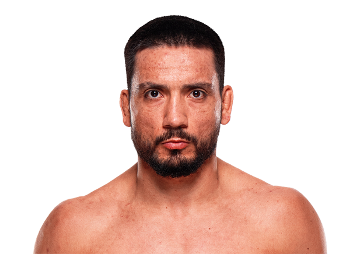
Carlos Leal
22-7-0
Carlos Leal
Fighter Metrics
Victory Methods
Win Round Distribution
📋 Last 5 Fights - Chidi Njokuani
| Date | Opponent | Result | Method |
|---|---|---|---|
| 2025-07-12 | Jake Matthews | L | SUB (Rear Naked Choke) (R1, 1:09) |
| 2025-03-15 | Elizeu Zaleski dos Santos | W | TKO (Knee & Elbows) (R2, 2:19) |
| 2024-10-12 | Jared Gooden | W | Decision (Unanimous) (R3, ) |
| 2024-03-30 | Rhys McKee | W | Decision (Split) (R3, ) |
| 2023-08-26 | Michał Oleksiejczuk | L | TKO (Ground Pound) (R1, 4:16) |
📋 Last 5 Fights - Carlos Leal
| Date | Opponent | Result | Method |
|---|---|---|---|
| 2025-07-26 | Muslim Salikhov | L | TKO (Punches) (R1, 0:42) |
| 2025-03-08 | Alex Morono | W | TKO (Punches) (R1, 4:16) |
| 2024-10-26 | Rinat Fakhretdinov | L | Decision (Unanimous) (R3, ) |
| 2024-07-06 | Manuel Mena | W | TKO (Punches) (R1, 3:09) |
| 2024-03-03 | Márcio Breno | W | TKO (Punches) (R1, 4:10) |
Technical Analysis
Technical Score
Cardio Score
Overall Rating
📊 Technical Score
Calculated as the average of Striking Composite (66.0 vs 66.0) and Grappling Composite (78.0 vs 55.0). Balances overall striking effectiveness with grappling ability to measure complete technical skills.
💪 Cardio Score
Based on average fight duration, striking rate per minute, takedown rate, and finish rate. Measures cardiovascular endurance and ability to maintain pace throughout fights.
🎯 Overall Rating
Simple average of Technical Score and Cardio Score. Provides a holistic view of fighter capabilities combining skill level with physical conditioning and fight performance.
Striking Composite
Grappling Composite
Technical Radar Comparison
Visual comparison of key performance metrics between both fighters
📊 Detailed Statistical Comparison
🥊 Fight Analysis Breakdown
🧩 Chidi Njokuani Key Advantages
3.25 takedowns per 15min vs 0.73 represents a 4.4x differential that fundamentally shifts fight control. Njokuani's chain-wrestling sequences—knee-tap entries into outside singles, mat returns, and half-guard rides—create minute-winning cycles that accumulate control time. His 37% takedown accuracy against Leal's 78% defense suggests first-layer resistance, but Njokuani's re-shot ability and fence pressure typically break through. The Nigerian's ability to chain multiple attempts and maintain pressure while Leal defends creates fatigue differentials that compound over five rounds.
The 2.88 strikes absorbed per minute differential (1.84 vs 4.72) creates a damage economy that heavily favors Njokuani in scoring optics. While Leal's 9.65 SLpM output can rack volume, Njokuani's 53% striking defense and low absorption rate mean fewer clean shots land. This defensive efficiency compounds over five rounds—Njokuani maintains his pace without accumulating damage, while Leal's high-volume approach leaves him vulnerable to counters and takedowns. The Nigerian's ability to minimize damage while maximizing control time creates a scoring framework that judges consistently reward, especially in championship rounds where damage accumulation becomes visually apparent.
Njokuani's 9:28 average fight duration with 70% of wins occurring in Round 3 demonstrates exceptional cardiovascular conditioning and strategic pacing. His wrestling-heavy approach creates sustainable pressure that escalates rather than diminishes as fights progress. The Nigerian's ability to maintain 3.79 SLpM while executing takedown chains shows efficient energy management—he doesn't gas from striking exchanges because he controls the pace through grappling. This cardio advantage becomes decisive in championship rounds where Leal's high-volume striking (9.65 SLpM) becomes increasingly difficult to sustain, especially when defending takedowns and fighting off his back.
⚠️ Unfavorable Scenarios
Leal's teeps and step-in knees represent his most dangerous weapons against Njokuani's level changes. The Brazilian's 75-inch reach allows him to maintain distance while threatening intercept strikes as Njokuani commits to shots. Historical data shows Leal's success against shorter pressure fighters when he can time these intercepts—his front kicks to the body (as seen vs Puelles) and knee strikes create fight-ending opportunities. Njokuani's predictable entry patterns could be exploited if Leal maintains composure and doesn't panic under pressure.
If Njokuani fails to establish consistent pressure and the fight remains at extended range, Leal's 9.65 SLpM volume advantage becomes significant. The 30-foot cage provides ample space for Leal to circle, reset, and maintain his preferred striking distance. His 51% accuracy combined with high output can overwhelm Njokuani's defensive shell, especially if the Nigerian becomes hesitant to shoot after early intercept attempts. Leal's ability to rack up significant strike differentials in rounds where he maintains distance could sway judges, particularly in early rounds before Njokuani's pressure begins to take effect.
📋 Likely Gameplan
Njokuani should utilize jab feints and low kicks to force Leal into a high guard, creating openings for level changes. His 48% striking accuracy suggests he can land these setup strikes while maintaining defensive positioning. The Nigerian's ability to mix striking entries with takedown attempts keeps Leal guessing and prevents him from settling into rhythm. By varying his approach—sometimes feinting shots, sometimes committing—Njokuani can exploit Leal's tendency to overreact to takedown threats, creating opportunities for clean entries and subsequent control sequences.
Once Njokuani secures takedowns, his priority should be establishing dominant positions and accumulating control time. His wrestling background emphasizes mat returns, wrist control, and short hammerfists rather than submission attempts. This approach maximizes scoring while minimizing risk—Njokuani can bank minutes through rides and positional control without exposing himself to submission attempts or sweeps. The Nigerian's 75% takedown defense suggests he can maintain top position once established, making this strategy both effective and sustainable over five rounds.
🚀 Carlos Leal Key Advantages
Leal's 75-inch reach advantage (vs Njokuani's 72") combined with his 6'0" height creates significant striking opportunities at range. His arsenal includes long teeps, calf kicks, and intercept knees that can deter takedown attempts while scoring points. The Brazilian's ability to switch stances and vary his attack angles makes him difficult to read, while his 49% striking accuracy ensures these long weapons land with consistency. In the 30-foot cage, Leal can maintain this preferred distance longer, forcing Njokuani to cover more ground and commit to longer entries that expose him to counters.
Leal's 9.65 SLpM output represents one of the highest striking rates in the lightweight division, creating significant volume advantages when fights remain upright. His ability to maintain this pace while switching stances and varying attack angles makes him difficult to counter effectively. The Brazilian's volume becomes particularly dangerous in early rounds when he's fresh and can sustain high output without fatigue. His 51% accuracy means he's landing clean shots consistently, and his ability to string together combinations can overwhelm opponents who struggle to match his pace or establish their own rhythm.
⚠️ Unfavorable Scenarios
Njokuani's chain-wrestling sequences create a nightmare scenario for Leal—once the Nigerian secures takedowns, his ability to chain shots, establish rides, and execute mat returns prevents Leal from regaining his feet or establishing striking rhythm. The Brazilian's 78% takedown defense suggests he can stuff initial attempts, but Njokuani's re-shot ability and persistence typically break through. Once on the ground, Leal's striking output drops to near zero while Njokuani accumulates control time and scoring opportunities. This scenario becomes increasingly likely as the fight progresses and Leal's cardio begins to fade.
Leal's 9:38 average fight duration suggests he struggles to maintain his high-volume striking approach over extended periods. His 9.65 SLpM output becomes increasingly difficult to sustain as fights progress, especially when combined with takedown defense and grappling exchanges. The Brazilian's cardio limitations become particularly apparent in championship rounds where Njokuani's wrestling pressure escalates. Leal's tendency to fade in later rounds, combined with his high absorption rate (7.73 SApM), creates a dangerous combination where he becomes increasingly vulnerable to both striking counters and takedowns as his energy reserves deplete.
📋 Likely Gameplan
Leal's optimal strategy involves maintaining perimeter control while threatening intercept strikes. His calf kicks and teeps should target Njokuani's base and mobility, making takedown entries more difficult. The Brazilian's ability to switch stances allows him to vary his attack angles and keep Njokuani guessing. When Njokuani does commit to shots, Leal should threaten knees and uppercuts to deter entries and create counter opportunities. The key is maintaining distance while staying active enough to score points and prevent Njokuani from settling into rhythm or establishing consistent pressure.
Leal's best chance for victory lies in front-loading damage during the first two rounds when he's fresh and Njokuani hasn't yet established his wrestling rhythm. The Brazilian should look to capitalize on his early energy advantage by maintaining high output and landing clean shots before Njokuani's pressure begins to take effect. His 9.65 SLpM output becomes most dangerous when he can sustain it without grappling exchanges or takedown defense draining his energy. By establishing early momentum and potentially scoring knockdowns or significant damage, Leal can force Njokuani to fight from behind and potentially alter the Nigerian's gameplan.
🎯 Fight Prediction Analysis
Data-driven prediction model based on statistical analysis
📊Detailed Analysis Summary
🏟️Cage Dynamics
The 30-foot octagon creates a fascinating dynamic in this matchup—initially favoring Leal's range weapons and movement, but gradually shifting toward Njokuani's pressure as the fight progresses. Leal's 75-inch reach and 6'0" height give him significant advantages in the early rounds when he can maintain distance and utilize his teeps, calf kicks, and intercept knees effectively. However, Njokuani's relentless pressure and chain-wrestling sequences gradually compress the available space, forcing Leal into increasingly uncomfortable positions. The Nigerian's ability to cut off angles and force exchanges at the fence transforms the cage from Leal's ally into Njokuani's weapon, creating a progressive advantage that compounds over five rounds.
🎯Technical Breakdown
The statistical analysis reveals two primary battlefields where this fight will be decided: wrestling activity and damage economy. Njokuani's 3.25 TD15 vs Leal's 0.73 represents a 4.4x differential that fundamentally alters fight control and scoring dynamics. While Leal's striking moments (9.65 SLpM, 51% accuracy) create impressive volume, Njokuani's damage economy (2.64 SApM vs 7.73) means he absorbs significantly less damage while maintaining offensive output. The Nigerian's 53% striking defense combined with his wrestling threat forces Leal into uncomfortable exchanges where his high-volume approach becomes less effective. These differentials create a scoring framework where Njokuani's control time and damage efficiency consistently outweigh Leal's striking output in judges' eyes.
🧩Key Battle Areas
Three critical battle areas will determine the outcome: first-layer takedown defense vs chain wrestling at the fence, intercept knees vs level changes, and late-round pace durability. Leal's 78% takedown defense suggests he can stuff initial attempts, but Njokuani's persistence and re-shot ability typically break through over time. The Brazilian's intercept weapons (teeps, knees, uppercuts) represent his most dangerous tools against Njokuani's entries, but the Nigerian's ability to vary his approach and mix striking with takedowns makes these counters less predictable. As the fight progresses, Njokuani's superior cardio (9:28 avg duration vs 9:38) becomes increasingly decisive, especially when combined with his wrestling pressure that forces Leal to expend energy defending takedowns and fighting off his back.
🏁Final Prediction
The most likely outcome is Chidi Njokuani by KO/TKO (36% probability), achieved through timing Leal's entries with accurate counter-strikes and intercepting knees. Njokuani's Decision path (28%) becomes viable if he maintains distance control and avoids getting pressured to the fence over three rounds. Leal's upset lane centers on early KO/TKO (20%) via overwhelming pace before eating too many counters, or Decision (13%) if he can pressure without walking onto Njokuani's accurate shots. The fight's outcome hinges on whether Leal can pressure without eating straight counters or if Njokuani's defensive efficiency proves too much for the Brazilian's volume-based approach as Njokuani commits to takedown attempts. The Brazilian's decision path (7%) requires maintaining extended range control throughout five rounds—a scenario that becomes increasingly unlikely as Njokuani's pressure escalates and the cage space compresses.
💰 Betting Analysis: Model vs Market
Detailed value assessment in the betting market
📊Market Odds
🤖Analytical Model
💎Value Opportunities
MAXIMUM VALUE
GOOD VALUE
SLIGHT VALUE
⚠️Key Market Discrepancies
- • Overweights early KO volatility – Underprices five-round wrestling cycles.
- • Undervalues damage economy – Low SApM differential drives optics on cards.
- • Big-cage bias – Space helps early, but fence/rides erode it late.
🎯 Comprehensive Probabilistic Analysis
100 hypothetical fight simulation based on statistical data
🏆Outcome Distribution - Chidi Njokuani
Primary path via fence control and rides
Attritional GNP and accumulative pressure
Back-takes off rides create RNC chances
💥Outcome Distribution - Carlos Leal
Best lane via intercepts and counters
Requires extended range control in big cage
Low historical submission profile
⏰Fight Timeline Analysis
⚡Window of Opportunity - Carlos Leal
- • First 7–10 minutes: Highest intercept KO equity.
- • Perimeter control: Teeps + calf kicks to stall entries.
- • Short pockets: Burst then reset; avoid extended clinch.
🎯Progressive Dominance - Chidi Njokuani
- • Chain shots: Re-mats and rides bank control and sap pace.
- • Damage economy: Keep exchanges short; minimize risk.
- • Late minutes: Safer control edges decision likelihood.
🎯 Final Confidence Assessment
Confidence level and uncertainty factors
Confidence Level
Strong edge via defensive efficiency and counter-striking accuracy
✅Supporting Factors
- • Massive defensive advantage (2.64 vs 7.73 SApM)
- • Superior accuracy (63% vs 51%)
- • 6-inch reach advantage controls range
- • Large cage benefits counter-striker movement
⚠️Risk Factors
- • Leal's extreme pace (9.65 SLpM) can overwhelm
- • Recent R1 submission loss shows vulnerability
- • Early stoppage history if pressured to fence
- • Age disadvantage (36 vs 30)
🏁Executive Summary
Chidi Njokuani's long-range counter-striking accuracy and defensive efficiency give him a clear stylistic advantage against Carlos Leal's high-volume pressure approach. The statistical differentials heavily favor Njokuani: his 2.64 sig strikes absorbed per minute vs Leal's 7.73 represents a massive defensive advantage (2.9x better), while his 63% striking accuracy vs Leal's 51% means cleaner, more damaging shots. The 6-inch reach advantage (80" vs 74") combined with the large 30-foot cage creates ideal conditions for Njokuani to reset and counter when Leal pressures.
Prediction: Njokuani by KO/TKO most likely (36% probability) through timing Leal's entries with straight counters and knees; Decision win (28%) if Njokuani maintains distance control over three rounds. Leal's upset path is early KO/TKO (20%) via overwhelming pace before eating too many counters. The fight's outcome hinges on whether Leal can pressure without walking onto Njokuani's accurate counter shots or if the Nigerian's defensive efficiency proves too much for the Brazilian's volume-based approach.