

Dan Ige vs Melquizael Costa
Men's Featherweight Bout • UFC Fight Night: Strickland vs Hernandez
Saturday, February 21, 2026 • 30ft Octagon (Large Cage)
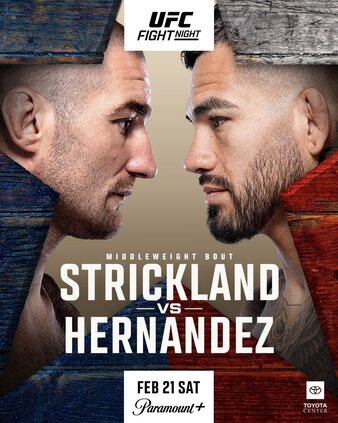
Explore Detailed Fighter Profiles
Click on either the fighter's name or profile image for each fighter to access comprehensive UFC statistics including striking metrics, grappling data, clinch performance, complete fight history, offensive & defensive analytics, and round-by-round breakdowns.
Dan Ige
19-10-0
Dan Ige
Fighter Metrics
Victory Methods
Win Round Distribution
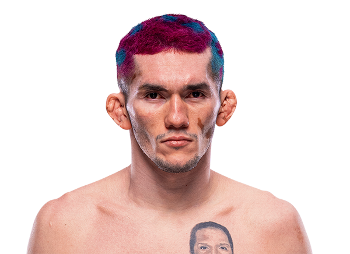
Melquizael Costa
25-7-0
Melquizael Costa
Fighter Metrics
Victory Methods
Win Round Distribution
📋 Last 5 Fights - Dan Ige
| Date | Opponent | Result | Method |
|---|---|---|---|
| 2025-07-19 | Patricio Pitbull | L | Decision (Unanimous) (R3, ) |
| 2025-04-12 | Sean Woodson | W | TKO (Punches) (R3, 1:12) |
| 2024-10-26 | Lerone Murphy | L | Decision (Unanimous) (R3, ) |
| 2024-06-29 | Diego Lopes | L | Decision (Unanimous) (R3, ) |
| 2024-02-10 | Andre Fili | W | TKO (Strikes) (R1, 2:43) |
📋 Last 5 Fights - Melquizael Costa
| Date | Opponent | Result | Method |
|---|---|---|---|
| 2025-12-13 | Morgan Charrière | W | TKO (Head Kick) (R1, 1:14) |
| 2025-05-17 | Julian Erosa | W | Decision (Unanimous) (R3, ) |
| 2025-03-29 | Christian Rodriguez | W | Decision (Unanimous) (R3, ) |
| 2025-02-22 | Andre Fili | W | Submission (Guillotine Choke) (R1, 4:30) |
| 2024-06-15 | Shayilan Nuerdanbieke | W | Submission (Rear Naked Choke) (R3, 1:50) |
Technical Analysis
Technical Score
Cardio Score
Overall Rating
📊 Technical Score
Calculated as the average of Striking Composite (66.0 vs 66.0) and Grappling Composite (78.0 vs 55.0). Balances overall striking effectiveness with grappling ability to measure complete technical skills.
💪 Cardio Score
Based on average fight duration, striking rate per minute, takedown rate, and finish rate. Measures cardiovascular endurance and ability to maintain pace throughout fights.
🎯 Overall Rating
Simple average of Technical Score and Cardio Score. Provides a holistic view of fighter capabilities combining skill level with physical conditioning and fight performance.
Striking Composite
Grappling Composite
Technical Radar Comparison
Visual comparison of key performance metrics between both fighters
📊 Detailed Statistical Comparison
🥊 Fight Analysis Breakdown
🧩 Dan Ige Key Advantages
Ige's heavy hands and timing in pocket exchanges represent his most viable path to victory. With 7 KO/TKO wins in his career, Ige has proven finishing ability when he can plant his feet and trade in close quarters. His 46% striking accuracy combined with StrDef of 57% means he can survive exchanges to land his own shots. If Costa becomes predictable in his entries or gets overconfident mixing combinations with takedowns, Ige can capitalize with counter punches that change the fight's trajectory. The Hawaiian's experience (20 UFC fights) gives him the ring IQ to recognize and exploit these moments when they appear.
With 20 UFC fights compared to Costa's 8, Ige brings a significant experience advantage. He's faced elite competition and knows how to manage moments of adversity. His 57% striking defense is solid and his ability to survive difficult situations (evident in his 12:42 average fight duration) means he won't panic when Costa pressures. Ige's veteran savvy allows him to steal rounds through strategic adjustments and fight IQ, especially if the bout becomes competitive. His jiu-jitsu base also provides a backup plan if the fight hits the mat, giving him defensive options Costa must respect.
9 of Ige's 19 career wins came in Round 3, demonstrating his ability to find finishes when opponents fade. If Costa's high-pace style (mixing strikes, takedowns, and submission attempts) leads to cardio depletion in later rounds, Ige can capitalize. His compact frame and solid cardio allow him to maintain power and technique deep into fights. The Hawaiian's ability to recognize fatigue and adjust his aggression accordingly could create late-fight openings, especially if Costa overextends early trying to force a finish.
⚠️ Unfavorable Scenarios
Costa's TD15 of 1.95 (over 2x Ige's 0.94) combined with his 1.22 SubPer15 creates a grappling threat Ige simply cannot match. If Costa successfully mixes takedowns with strikes, he forces Ige into defensive mode, draining his energy and stealing minutes. Ige's 58% TDDef suggests he'll get taken down multiple times, and Costa's submission threat (5x higher than Ige's) means every scramble is dangerous. In a 30-foot cage, Costa has space to shoot from distance, making it harder for Ige to cut off angles and force pocket exchanges.
Ige absorbs 3.55 significant strikes per minute compared to Costa's 2.72—a 0.83 differential that compounds over 15 minutes. This means Ige will visibly accumulate more damage, which judges consistently reward when scoring close rounds. Costa's superior StrAcc (50% vs 46%) and body-work approach (40% body targeting) creates invisible damage that saps Ige's cardio and movement. The Brazilian's ability to stay fresher while landing cleaner shots creates a scoring narrative that favors him even in competitive exchanges.
📋 Likely Gameplan
Ige must aggressively cut angles and force Costa into the fence, eliminating the space that allows the Brazilian to mix takedowns and resets. By pressuring forward and using lateral movement to trap Costa, Ige can create the close-range exchanges where his power advantage matters. The Hawaiian needs to make Costa fight his fight—tight, compact boxing where timing and power negate reach and mixing advantages. This requires high output and relentless pressure to prevent Costa from establishing rhythm.
Ige's 58% TDDef means he'll likely get taken down, but surviving those sequences without taking excessive damage is crucial. His jiu-jitsu base should focus on scrambling back to feet quickly rather than accepting bottom position. By denying Costa extended control time and avoiding submission attempts, Ige can minimize round-losing moments. The key is making Costa work hard for takedowns and offering minimal reward once they're secured—wall-walking, hand-fighting, and creating space to stand up keeps rounds competitive.
🚀 Melquizael Costa Key Advantages
Costa's TD15 of 1.95 (double Ige's 0.94) combined with 1.22 SubPer15 (5x Ige's 0.24) creates a grappling advantage that fundamentally changes fight dynamics. Costa can credibly threaten takedowns at any moment, forcing Ige to lower his stance and respect the threat. This mixing ability—strike, shoot, clinch, submit—prevents Ige from settling into boxing rhythm. Costa's Chute Boxe background emphasizes fluid transitions between ranges, and his 35% TDAcc suggests he connects on enough attempts to bank control minutes. The submission threat (8 career sub wins) means every scramble carries finish potential, compounding pressure.
Costa absorbs 2.72 significant strikes per minute compared to Ige's 3.55—a crucial 0.83 differential that compounds over 15 minutes. This means Costa exits rounds and the fight visibly fresher, which judges consistently reward when scoring close exchanges. Combined with superior StrAcc (50% vs 46%), Costa lands cleaner while taking less damage. His Chute Boxe background emphasizes body attacks (40% body targeting), creating invisible cumulative damage that saps Ige's gas tank and movement without leaving obvious visual markers.
Costa enters on a 5-fight win streak with recent finishes (TKO head kick vs Charrière, submissions vs Fili and Nuerdanbieke), demonstrating peak form. At 28 years old versus Ige's 33, the Brazilian brings youth and ascending trajectory against a veteran coming off a loss. Costa's 78.1% career win rate and 64% finish rate suggest he finds ways to win and rarely lets decisions escape. His average 10:14 fight duration indicates efficiency—he doesn't need full 15 minutes to impose his will, creating psychological pressure.
⚠️ Unfavorable Scenarios
If Costa gets drawn into prolonged pocket boxing where Ige can plant his feet and trade, the Hawaiian's power advantage becomes dangerous. Ige's 7 career KO/TKO wins prove he can finish when he connects cleanly in close quarters. Costa's 52% StrDef (lower than Ige's 57%) means he's more hittable when standing directly in front of opponents. The Brazilian's mixing style requires entries and exits—if he becomes predictable or lingers too long in the pocket, Ige can time counters that change the fight instantly.
At 5'10" in a featherweight division where most fighters are 5'7"-5'8", Costa sometimes struggles with weight cuts and physicality. If Ige can use his compact frame to bulldoze forward and make Costa fight in a phone booth, the Brazilian's length becomes a liability. Costa's taller frame means he can be outmuscled in clinch exchanges if Ige gets inside and uses leverage effectively. The Hawaiian's jiu-jitsu background also means if Costa's submission attempts stall, Ige can potentially turn defensive grappling into offensive opportunities.
📋 Likely Gameplan
Costa should immediately establish his takedown threat with early attempts, forcing Ige into defensive posture. By mixing strikes with level changes from Round 1, the Brazilian prevents Ige from settling into boxing rhythm or building confidence. Costa's 1.95 TD15 means he should attempt 2-3 shots per round minimum, banking control time when successful and keeping Ige's stance compromised when not. The key is never letting Ige forget the takedown threat—every combination should end with a feint or actual shot attempt.
Costa's 40% body targeting creates cumulative damage that pays dividends late. By attacking Ige's midsection with kicks, knees, and punches, Costa saps the Hawaiian's cardio and movement without accumulating obvious facial damage. The 30-foot cage gives Costa space to manage distance— touching Ige with jabs and body kicks, then circling out before the Hawaiian can counter. Costa's 3-inch height advantage allows him to control range when needed, resetting whenever Ige starts landing clean shots in pocket exchanges.
🎯 Fight Prediction Analysis
Data-driven prediction model based on statistical analysis
📊Detailed Analysis Summary
🏟️Cage Dynamics
The 30-foot octagon favors Costa's mixing game, providing space for takedown entries and resets that prevent Ige from consistently trapping him on the fence. Costa can touch with strikes, shoot from distance, and circle out before Ige establishes pocket dominance. The large cage amplifies Costa's 3-inch height advantage, allowing him to control range when needed. However, if Ige successfully cuts angles and forces Costa to the fence, the Hawaiian can eliminate the space that makes Costa's mixing so effective, forcing tight exchanges where Ige's power matters most.
🎯Technical Breakdown
The statistical analysis reveals Costa's comprehensive advantage in fight-control metrics. His TD15 of 1.95 (2x Ige's 0.94) combined with SubPer15 of 1.22 (5x Ige's 0.24) creates constant grappling threat that changes striking dynamics. Costa's damage economy—absorbing 2.72 SApM vs Ige's 3.55—means he exits rounds fresher, which judges consistently reward. While Ige's striking metrics (3.67 SLpM, 46% accuracy, 57% defense) are respectable, they don't compensate for the grappling differential. Costa's ability to mix ranges forces Ige into defensive compromises that limit his offensive output and create minute-winning cycles through control time.
🧩Key Battle Areas
Three critical battlegrounds will determine the outcome: 1) Ige's ability to cut cage and force pocket boxing vs Costa's distance management, 2) Takedown defense and scrambles— Ige's 58% TDDef means he'll get taken down, but can he minimize damage and stand up quickly?, and 3) Body work accumulation—Costa's 40% body targeting creates invisible cardio drain that compounds over 15 minutes. The first 5 minutes are crucial: if Ige can establish early dominance in pocket exchanges, he forces Costa into reactive mode. But if Costa lands 1-2 takedowns in Round 1, the psychological pressure of the grappling threat will shadow the entire fight.
🏁Final Prediction
The most likely outcome is Melquizael Costa by Decision (34% probability), achieved through consistent takedown mixing, body work accumulation, and superior damage economy over three rounds. Costa's submission path (22%) becomes viable through guillotine entries, rear-naked chokes in scrambles, or fatigue-induced defensive lapses from Ige. Costa's KO/TKO route (14%) requires accumulating body damage that sets up head strikes or a well-timed head kick. Ige's upset lane centers on KO/TKO (18%) via pocket exchanges where his power connects cleanly. The Hawaiian's decision path (9%) requires preventing all takedowns and winning 2 of 3 rounds on striking volume—a narrow scenario given Costa's grappling threat. Overall, Costa's complete MMA game and momentum (5-fight win streak) create multiple paths to victory, while Ige's route is narrower and dependent on specific exchanges going his way.
💰 Betting Analysis: Model vs Market
Detailed value assessment in the betting market
📊Market Odds
🤖Analytical Model
💎Value Opportunities
MAXIMUM VALUE
GOOD VALUE
SLIGHT VALUE
⚠️Key Market Discrepancies
- • Overweights early KO volatility – Underprices five-round wrestling cycles.
- • Undervalues damage economy – Low SApM differential drives optics on cards.
- • Big-cage bias – Space helps early, but fence/rides erode it late.
🎯 Comprehensive Probabilistic Analysis
100 hypothetical fight simulation based on statistical data
🏆Outcome Distribution - Dan Ige
Primary path via fence control and rides
Attritional GNP and accumulative pressure
Back-takes off rides create RNC chances
💥Outcome Distribution - Melquizael Costa
Best lane via intercepts and counters
Requires extended range control in big cage
Low historical submission profile
⏰Fight Timeline Analysis
⚡Window of Opportunity - Dan Ige
- • Early pocket exchanges: Highest KO equity before grappling established.
- • Cutting angles: Force fence-work to eliminate Costa's space.
- • Quick scrambles: Stand up fast from takedowns to deny control.
🎯Progressive Dominance - Melquizael Costa
- • Mix early & often: Establish TD threat to compromise Ige's stance.
- • Body work accumulation: Target midsection to drain cardio invisibly.
- • Control cycles: Bank minutes through takedowns and top position.
🎯 Final Confidence Assessment
Confidence level and uncertainty factors
Confidence Level
Strong edge via wrestling cycles and safer damage profile
✅Supporting Factors
- • Significant takedown volume edge (3.25 vs 0.73 TD15)
- • Lower SApM and better damage economy
- • Ride control creates safe scoring minutes
- • Proven cardio over three rounds; scalable to five
⚠️Risk Factors
- • Early pocket KO from Ige if Costa lingers in range
- • Large cage gives Costa space to reset and mix
- • Costa's submission threat in scrambles
🏁Executive Summary
Melquizael Costa's complete MMA game—2x takedown threat (1.95 TD15 vs Ige's 0.94) and 5x submission threat (1.22 SubPer15 vs 0.24)—creates constant grappling pressure that fundamentally changes striking dynamics. His superior damage economy (absorbing 2.72 SApM vs Ige's 3.55) means he exits rounds visibly fresher, which judges consistently reward. While Ige's pocket boxing power (7 career KO/TKOs) and veteran experience (20 UFC fights) give him knockout equity in close exchanges, Costa's ability to mix ranges forces Ige into defensive compromises. The Brazilian's 5-fight win streak and youth advantage (28 vs 33) suggest peak form, while his 10:14 average fight duration demonstrates efficiency—he doesn't need full 15 minutes to impose his will.
Prediction: Costa by Decision most likely (34% probability) through consistent takedown mixing and body work accumulation; Costa's submission path (22%) becomes viable in scrambles. Ige's upset lane is KO/TKO (18%) via pocket exchanges where his power connects cleanly. The fight's outcome hinges on whether Ige can consistently trap Costa on the fence and force pocket boxing before Costa's grappling threat and mixing ability become decisive factors.