

Rafael Tobias vs Diyar Nurgozhay
Men's Light Heavyweight Bout • UFC 326: Holloway vs Oliveira 2
Saturday, March 7, 2026 • 30ft Octagon (Large Cage)
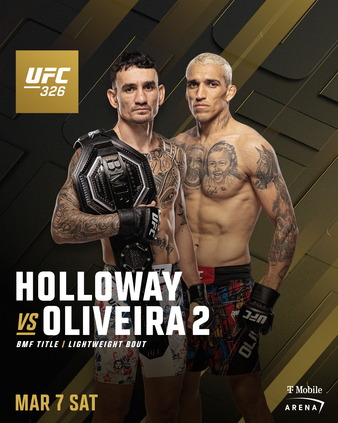
Explore Detailed Fighter Profiles
Click on either the fighter's name or profile image for each fighter to access comprehensive UFC statistics including striking metrics, grappling data, clinch performance, complete fight history, offensive & defensive analytics, and round-by-round breakdowns.
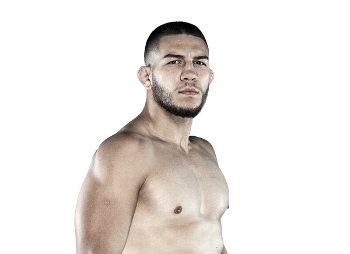
Rafael Tobias
Fighter Metrics
Victory Methods
Win Round Distribution
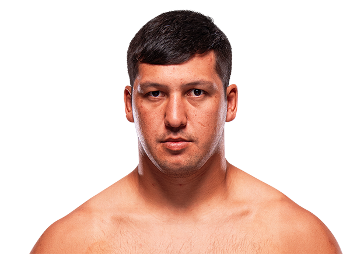
Diyar Nurgozhay
Fighter Metrics
Victory Methods
Win Round Distribution
📋 Last 5 Fights - Rafael Tobias
| Date | Opponent | Result | Method |
|---|---|---|---|
| 2025-09-23 | Jair de Oliveira | W | Submission - Rear Naked Choke (R1, 3:46) |
| 2025-04-12 | Wellington Lopes | W | TKO - Leg Kicks (R2, 5:00) |
| 2024-08-01 | Marcelo Alejandro Nuñez Sparling | W | TKO - Punches (R1, 1:10) |
| 2024-04-21 | Willyanedson Paiva | W | Decision - Unanimous (R3, 5:00) |
| 2024-04-06 | Guilherme Cunha | W | Submission - Arm Triangle (R1, 1:11) |
📋 Last 5 Fights - Diyar Nurgozhay
| Date | Opponent | Result | Method |
|---|---|---|---|
| 2025-08-23 | Uran Satybaldiev | L | Submission - Ezekiel Choke (R1, 2:45) |
| 2025-03-15 | Brendson Ribeiro | L | Submission - Kimura (R2, 1:28) |
| 2024-10-01 | Bartosz Szewczyk | W | TKO - Strikes (R2, 3:32) |
| 2024-05-18 | Emiliano Sordi | W | TKO - Punches (R1, 4:17) |
| 2022-08-21 | Konstantin Andreitsev | W | Decision - Unanimous (R5, 5:00) |
Technical Analysis
Technical Score
Cardio Score
Overall Rating
📊 Technical Score
Calculated as the average of Striking Composite (66.0 vs 66.0) and Grappling Composite (78.0 vs 55.0). Balances overall striking effectiveness with grappling ability to measure complete technical skills.
💪 Cardio Score
Based on average fight duration, striking rate per minute, takedown rate, and finish rate. Measures cardiovascular endurance and ability to maintain pace throughout fights.
🎯 Overall Rating
Simple average of Technical Score and Cardio Score. Provides a holistic view of fighter capabilities combining skill level with physical conditioning and fight performance.
Striking Composite
Grappling Composite
📊 Technical Radar Comparison
📊 Metrics Legend
📊 Detailed Statistical Comparison
🥊 Fight Analysis Breakdown
🧩 Rafael Tobias Key Advantages
Tobias's 43% submission finish rate creates a perfect alignment against Nurgozhay, whose only two UFC losses came via submission (Ezekiel choke R1, Kimura R2). The Brazilian's ability to finish via RNC and arm triangle—as seen in his recent wins—matches exactly with Nurgozhay's defensive vulnerabilities. When scrambles occur, Tobias's submission threat becomes decisive: his pressure grappler style forces clinch exchanges where Nurgozhay's lack of defensive grappling awareness gets exposed. The 34% submission win probability reflects this matchup advantage—Tobias doesn't need multiple attempts when facing an opponent whose recent history shows consistent submission losses.
Tobias's proven ability to finish via leg kicks (as seen vs Wellington Lopes) creates a dual-threat system: leg kicks damage Nurgozhay's base and mobility, forcing him to plant his feet defensively, which then opens clinch entries. The Brazilian's pressure approach means he can accumulate leg kick damage while forcing forward movement, creating a compounding effect where Nurgozhay's mobility decreases as the fight progresses. This leg kick threat also creates psychological pressure—Nurgozhay must respect the low kicks, which opens opportunities for level changes and takedown attempts. The 20% KO/TKO probability reflects Tobias's ability to finish via leg kick accumulation or ground strikes once the fight hits the mat.
Tobias's pressure grappler style creates scrambles where Nurgozhay's defensive gaps become exposed. The Brazilian's ability to chain leg kicks into clinch entries, then force takedown attempts, creates chaotic exchanges where Nurgozhay must defend multiple threats simultaneously. In these scrambles, Tobias's submission threat becomes most dangerous: when Nurgozhay reacts to takedowns or clinch pressure, he exposes his neck or arms, creating opportunities for RNC or arm triangle finishes. The 30-foot cage initially helps Nurgozhay maintain distance, but Tobias's relentless pressure gradually compresses space, forcing exchanges where his grappling advantage becomes decisive.
⚠️ Unfavorable Scenarios
Nurgozhay's 60% KO/TKO finish rate and power represent his most dangerous weapons against Tobias's pressure entries. The Kazakhstani's ability to land clean power shots early—before Tobias establishes his grappling rhythm—creates fight-ending opportunities. If Nurgozhay can maintain distance and land clean strikes as Tobias commits to pressure or level changes, his power can overwhelm the Brazilian's forward movement. The 30-foot cage provides space for Nurgozhay to reset and maintain striking distance, especially in early rounds when he's fresh and can sustain his output without grappling exchanges draining his energy.
Tobias's 0-0 UFC record creates uncertainty about how he'll perform under the bright lights and against UFC-level competition. While his pro record (14-1) is impressive, the step up to UFC can expose fighters who haven't faced elite competition. Nurgozhay, despite his 0-2 UFC record, has experience in the octagon and understands the pace and pressure of UFC fights. If Tobias struggles with the transition or becomes overwhelmed by the moment, Nurgozhay's experience could become a factor, especially if the fight remains competitive into later rounds.
📋 Likely Gameplan
Tobias should open with pressure and leg kicks to damage Nurgozhay's base and force him to plant his feet defensively. His proven ability to finish via leg kicks (vs Wellington Lopes) creates a dual threat: accumulating damage while creating openings for clinch entries. When Nurgozhay reacts to the leg kicks by planting his base or moving backward, Tobias can chain into clinch exchanges where his grappling advantage becomes decisive. The Brazilian's pressure approach means he can maintain forward movement while landing leg kicks, gradually breaking down Nurgozhay's mobility and creating opportunities for takedowns or submission attempts.
Once Tobias forces scrambles through pressure and leg kicks, his priority should be capitalizing on Nurgozhay's submission vulnerability. The Brazilian's 43% submission finish rate combined with Nurgozhay's recent submission losses (Ezekiel choke, Kimura) creates a perfect alignment. Tobias should prioritize back-takes and RNC opportunities, as well as arm triangle attempts when Nurgozhay exposes his arms in scrambles. His pressure grappler style naturally creates these chaotic exchanges where Nurgozhay's defensive gaps become exposed. The key is maintaining pressure to force errors, then capitalizing immediately when submission opportunities present themselves.
🚀 Diyar Nurgozhay Key Advantages
Nurgozhay's 60% KO/TKO finish rate represents his primary path to victory—his power can end the fight with a single clean strike. The Kazakhstani's ability to land fight-ending shots early, before Tobias establishes his grappling rhythm, creates significant upset potential. His recent wins via TKO (vs Szewczyk, Sordi) demonstrate his finishing ability when he can maintain striking distance. In the 30-foot cage, Nurgozhay has space to reset and maintain his preferred striking range, especially in early rounds when he's fresh and can sustain his output. His 18% KO/TKO win probability reflects this early power threat.
Nurgozhay's 61% striking defense suggests he can defend effectively against Tobias's pressure entries, at least in the early stages. His ability to avoid clean shots while maintaining distance creates opportunities to counter and reset. The Kazakhstani's southpaw stance adds another layer of complexity for Tobias to navigate, creating awkward angles and timing issues. If Nurgozhay can maintain this defensive efficiency while landing his own power shots, he can create significant strike differentials that sway judges, especially in early rounds before Tobias's pressure begins to take effect.
⚠️ Unfavorable Scenarios
Nurgozhay's recent UFC history shows a clear pattern: both of his losses came via submission (Ezekiel choke R1, Kimura R2). This vulnerability becomes particularly dangerous against Tobias, whose 43% submission finish rate matches exactly with Nurgozhay's defensive gaps. When scrambles occur or clinch exchanges develop, Nurgozhay's lack of defensive grappling awareness gets exposed. His 100% takedown defense in UFC suggests he can stuff initial attempts, but once the fight hits the mat or enters scrambles, his submission defense becomes a critical weakness. Tobias's ability to capitalize on these opportunities creates a 34% submission win probability.
Tobias's proven ability to finish via leg kicks creates a compounding threat that Nurgozhay must respect. As leg kicks accumulate, Nurgozhay's mobility decreases, forcing him to plant his feet defensively, which then opens opportunities for clinch entries and takedowns. The Brazilian's pressure approach means he can maintain forward movement while landing leg kicks, gradually breaking down Nurgozhay's base. If Nurgozhay fails to effectively defend or counter the leg kicks, he becomes increasingly vulnerable to both finishing via TKO (leg kick accumulation) and submission (forced scrambles from compromised mobility).
📋 Likely Gameplan
Nurgozhay's optimal strategy involves maintaining distance and landing clean power shots early, before Tobias establishes his grappling rhythm. The 30-foot cage provides space for Nurgozhay to reset and maintain his preferred striking range. His southpaw stance creates awkward angles for Tobias to navigate, and his 60% KO/TKO finish rate means he can end the fight with a single clean strike. The key is maintaining distance while staying active enough to score points and prevent Tobias from settling into rhythm or establishing consistent pressure. When Tobias commits to pressure entries, Nurgozhay should threaten power counters to deter forward movement.
Nurgozhay's best chance for victory lies in front-loading damage during the first round when he's fresh and Tobias hasn't yet established his grappling rhythm. The Kazakhstani should look to capitalize on his early energy advantage by landing clean power shots before Tobias's pressure begins to take effect. His 60% KO/TKO finish rate becomes most dangerous when he can sustain his output without grappling exchanges or submission defense draining his energy. By establishing early momentum and potentially scoring knockdowns or significant damage, Nurgozhay can force Tobias to fight from behind and potentially alter the Brazilian's gameplan. The 18% KO/TKO win probability reflects this early power threat.
🎯 Fight Prediction Analysis
Data-driven prediction model based on statistical analysis
📊Detailed Analysis Summary
🏟️Cage Dynamics
The 30-foot octagon creates an interesting dynamic in this matchup—initially favoring Nurgozhay's striking and movement, but gradually shifting toward Tobias's pressure as the fight progresses. Nurgozhay's power and striking ability give him advantages in the early rounds when he can maintain distance and utilize his power shots effectively. However, Tobias's relentless pressure and leg kick accumulation gradually compress the available space, forcing Nurgozhay into increasingly uncomfortable positions. The Brazilian's ability to force scrambles and capitalize on submission opportunities transforms the cage from Nurgozhay's ally into Tobias's weapon, creating a progressive advantage that compounds over three rounds.
🎯Technical Breakdown
The statistical analysis reveals the primary battlefield where this fight will be decided: submission threat vs submission vulnerability. Tobias's 43% submission finish rate creates a perfect alignment against Nurgozhay, whose only two UFC losses came via submission (Ezekiel choke R1, Kimura R2). While Nurgozhay's striking moments (3.04 SLpM, 50% accuracy) can create volume, Tobias's pressure grappler style forces scrambles where Nurgozhay's defensive gaps become exposed. The Brazilian's ability to finish via leg kicks (20% KO/TKO) or submission (34%) creates multiple paths to victory, while Nurgozhay's best path is early KO/TKO (18%) before grappling exchanges occur. These differentials create a framework where Tobias's submission threat consistently outweighs Nurgozhay's striking output in judges' eyes, especially when scrambles develop.
🧩Key Battle Areas
Three critical battle areas will determine the outcome: distance control vs pressure entries, leg kick accumulation vs power strikes, and scramble defense vs submission threat. Nurgozhay's 100% takedown defense in UFC suggests he can stuff initial attempts, but Tobias's pressure and leg kicks create scrambles where Nurgozhay's submission vulnerability becomes exposed. The Kazakhstani's power shots represent his most dangerous tools against Tobias's entries, but the Brazilian's ability to vary his approach and mix leg kicks with clinch entries makes these counters less predictable. As the fight progresses, Tobias's submission threat becomes increasingly decisive, especially when combined with his pressure that forces Nurgozhay to expend energy defending takedowns and avoiding scrambles.
🏁Final Prediction
The most likely outcome is Rafael Tobias by Submission (34% probability), achieved through pressure, leg kicks forcing scrambles, and capitalizing on Nurgozhay's submission vulnerability. Tobias's KO/TKO path (20%) becomes viable if his leg kicks accumulate damage and compromise Nurgozhay's mobility. Tobias's decision path (18%) requires consistent control time and leg kick accumulation over three rounds. Nurgozhay's upset lane centers on early KO/TKO (18%) via power strikes before Tobias establishes his grappling rhythm. The Kazakhstani's decision path (8%) requires maintaining extended range control throughout three rounds—a scenario that becomes increasingly unlikely as Tobias's pressure escalates and scrambles develop.
💰 Betting Analysis: Model vs Market
Detailed value assessment in the betting market
📊Market Odds
🤖Analytical Model
💎Value Opportunities
MAXIMUM VALUE
Model: 34% | Fair: +194
GOOD VALUE
Model: 18% | Fair: +456
SLIGHT VALUE
Model: 38% | Fair: +163
⚠️Key Market Discrepancies
- • Undervalues submission threat – Underprices Tobias's 43% submission rate vs Nurgozhay's vulnerability.
- • Overweights UFC experience – Nurgozhay's 0-2 UFC record with submission losses suggests defensive gaps.
- • Big-cage bias – Space helps early, but pressure and scrambles erode it as fight progresses.
🎯 Comprehensive Probabilistic Analysis
100 hypothetical fight simulation based on statistical data
🏆Outcome Distribution - Rafael Tobias
Control time and leg kick accumulation
Leg kicks and ground strikes
Primary path via RNC and arm triangle
💥Outcome Distribution - Diyar Nurgozhay
Best lane via intercepts and counters
Requires extended range control in big cage
Low historical submission profile
⏰Fight Timeline Analysis
⚡Window of Opportunity - Diyar Nurgozhay
- • First 3–5 minutes: Highest power strike equity before pressure escalates.
- • Distance control: Maintain range and avoid scrambles.
- • Power counters: Land clean shots when Tobias commits to entries.
🎯Progressive Dominance - Rafael Tobias
- • Leg kick accumulation: Damage base and force scrambles.
- • Pressure & clinch: Force exchanges where submission threat becomes decisive.
- • Submission opportunities: Capitalize immediately when scrambles occur.
🎯 Final Confidence Assessment
Confidence level and uncertainty factors
Confidence Level
Strong submission threat against vulnerable opponent
✅Supporting Factors
- • Nurgozhay's recent submission losses (2 consecutive)
- • Tobias's high submission finish rate (43%)
- • Pressure grappler style forces scrambles
- • Leg kicks create clinch opportunities
⚠️Risk Factors
- • Tobias has no UFC experience (0-0)
- • Nurgozhay's power and KO/TKO threat (60%)
- • Big cage extends early range time
🏁Executive Summary
Rafael Tobias's pressure grappler style creates a dangerous matchup against Diyar Nurgozhay, whose recent UFC history shows vulnerability to submissions—both of his UFC losses came via submission (Ezekiel choke and Kimura). Tobias's 43% submission finish rate combined with his leg kick pressure creates multiple paths to victory: he can either finish via submission (34% probability) when scrambles occur, or accumulate damage through leg kicks and control time for a decision (18% probability). The 30-foot octagon initially favors Nurgozhay's striking, but Tobias's ability to force clinch exchanges and create scrambles exposes Nurgozhay's defensive gaps. Nurgozhay's best path to victory is early KO/TKO (18% probability) via power strikes before Tobias establishes his grappling rhythm. However, his 0-2 UFC record with consecutive submission losses suggests his style has been effectively countered at the highest level.
Prediction: Tobias by Submission most likely (34% probability) through pressure, leg kicks forcing scrambles, and capitalizing on Nurgozhay's submission vulnerability; Tobias by KO/TKO (20%) via leg kick accumulation; Tobias by Decision (18%) through control time. Nurgozhay's upset lane is early KO/TKO (18%) via power strikes before grappling exchanges occur. The fight's outcome hinges on whether Nurgozhay can maintain distance and land clean power shots early, or if Tobias can force the fight into scrambles where his submission threat becomes decisive.