

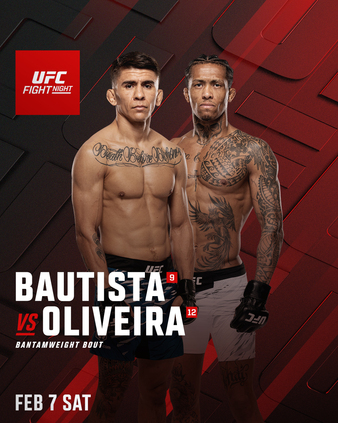
Said Nurmagomedov vs Javid Basharat
Men's Bantamweight Bout • UFC Fight Night: Bautista vs. Oliveira
Saturday, February 7, 2026 • UFC Apex, Las Vegas, USA • 25ft Cage (Small Octagon)
Explore Detailed Fighter Profiles
Click on either the fighter's name or profile image for each fighter to access comprehensive UFC statistics including striking metrics, grappling data, clinch performance, complete fight history, offensive & defensive analytics, and round-by-round breakdowns.
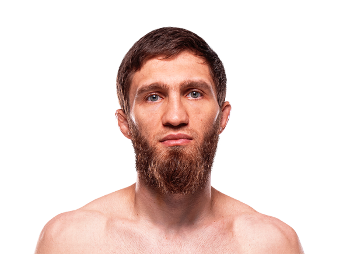
Said Nurmagomedov
Fighter Metrics
Victory Methods
Win Round Distribution
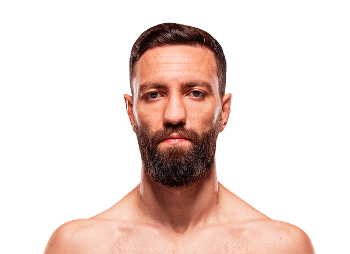
Javid Basharat
14-2-0
Javid Basharat
Fighter Metrics
Victory Methods
Win Round Distribution
📋 Last 5 Fights - Said Nurmagomedov
| Date | Opponent | Result | Method |
|---|---|---|---|
| 2025-07-26 | Bryce Mitchell | L | Decision - Unanimous (3, 5:00) |
| 2025-02-01 | Vinicius Oliveira | L | Decision - Unanimous (3, 5:00) |
| 2023-10-21 | Muin Gafurov | W | Submission - Guillotine (1, 1:13) |
| 2023-03-11 | Jonathan Martinez | L | Decision - Unanimous (3, 5:00) |
| 2022-12-17 | Saidyokub Kakhramonov | W | Submission - Guillotine (2, 3:50) |
📋 Last 5 Fights - Javid Basharat
| Date | Opponent | Result | Method |
|---|---|---|---|
| 2025-02-22 | Ricky Simón | L | TKO - Punches (1, 3:58) |
| 2024-03-02 | Aiemann Zahabi | L | Decision - Unanimous (3, 5:00) |
| 2023-10-21 | Victor Henry | NC | No Contest (Accidental Groin Kick) (2, 0:15) |
| 2023-01-14 | Mateus Mendonça | W | Decision - Unanimous (3, 5:00) |
| 2022-09-17 | Tony Gravely | W | Decision - Unanimous (3, 5:00) |
Technical Analysis
Technical Score
Cardio Score
Overall Rating
📊 Technical Score
Calculated as the average of Striking Composite (46.3 vs 68.2) and Grappling Composite (26.3 vs 51.6). Balances overall striking effectiveness with grappling ability to measure complete technical skills.
💪 Cardio Score
Based on average fight duration, striking rate per minute, takedown rate, and finish rate. Measures cardiovascular endurance and ability to maintain pace throughout fights.
🎯 Overall Rating
Simple average of Technical Score and Cardio Score. Provides a holistic view of fighter capabilities combining skill level with physical conditioning and fight performance.
Striking Composite
Grappling Composite
Technical Radar Comparison
Visual comparison of key performance metrics between both fighters
📊 Detailed Statistical Comparison
🥊 Fight Analysis Breakdown
🧩 Said Nurmagomedov Key Advantages
Said's 1.18 submissions per 15 minutes is a disproportionate threat in this matchup—Javid only sits at 0.18 Sub/15. Said specializes in guillotine chokes and front headlock sequences during scrambles and takedown entries. His last two career wins came via guillotine submissions in Rounds 1 and 2, demonstrating his ability to capitalize on single opportunities. While Said's grappling statistics appear inferior overall, his submission threat introduces a "non-linear" danger that can override statistical advantages. If Javid insists on grappling exchanges or leaves his neck exposed during transitions, Said can finish the fight in one mistake—making every scramble potentially decisive.
Said thrives in "controlled chaos"—short exchanges that transition into clinch and scramble situations where his guillotine and front headlock become active threats. His career profile favors early finishes (9 wins in Round 1), and his style is built around forcing messy, uncomfortable positions where technical wrestling advantages matter less than opportunistic submission setups. In a small 25ft cage, there's less space for Javid to circle and reset, making scrambles more frequent and favoring Said's finishing instincts. If Said can avoid clean striking exchanges and force clinch warfare, the fight enters his realm of danger.
Said absorbs 2.25 strikes per minute compared to Javid's 2.96, suggesting he's more defensively sound in terms of pure damage mitigation. Combined with his 56% striking defense, Said doesn't need to outpoint Javid in striking volume—he just needs to stay defensively tight and avoid giving Javid clean minutes to accumulate on the scorecards. If Said can make the fight ugly and close rounds by threatening submissions or forcing clinch sequences, he can steal rounds without winning the statistical battle, especially if judges reward his submission attempts and aggression in chaotic exchanges.
⚠️ Unfavorable Scenarios
If Said stays in kickboxing range without closing the distance, Javid's volume and precision (5.41 SLpM, 54% accuracy) will simply accumulate too many clean minutes. The large cage amplifies this problem—more space for Javid to circle, reset, and avoid clinch/scramble sequences. Said's 3.38 SLpM isn't high enough to match Javid's output in pure striking exchanges, and his 48% accuracy is also lower. Javid's leg reach advantage (41" vs 38.5") makes front kicks and low kicks even more effective tools to keep Said at bay and control distance without risk.
If Javid successfully uses his superior takedown offense (41% accuracy, 1.62 TD/15) while prioritizing head position and clean entries, he can control Said on the ground without gifting scrambles or neck exposure. Javid's 84% takedown defense is elite, meaning Said's own offensive wrestling (15% accuracy, 1.01 TD/15) is unlikely to work in reverse. If Javid dictates when and how grappling happens—taking Said down at will while defending Said's attempts—he removes the chaos element that Said relies on, turning the fight into a clean technical contest where Javid's advantages dominate every layer.
📋 Likely Gameplan
Said should avoid patient striking at range and instead immediately pressure Javid into close-quarters exchanges. Jump into clinch ties, threaten erratic entries, and provoke reactions that create scrambles. His best path to victory is making Javid uncomfortable and forcing transitions where the guillotine becomes active. The 25ft cage helps this strategy—less space for Javid to circle means more inevitable clinch warfare. Said should embrace the chaos and force messy positions where his submission threat outweighs Javid's technical grappling advantage.
When Javid shoots or changes level, Said must aggressively attack the front headlock and guillotine. Don't settle for defensive wrestling—go directly to the neck. His 1.18 Sub/15 suggests he's always hunting submissions, and this fight requires that aggression. Even failed submission attempts can steal rounds or force Javid to be more cautious with takedowns, reducing the grappling volume that favors Javid. Said's path to victory is narrow: force chaos, threaten the neck relentlessly, and capitalize on one mistake.
🚀 Javid Basharat Key Advantages
Javid dominates across virtually every measurable metric: striking volume (+2.03 SLpM), accuracy (54% vs 48%), defense (62% vs 56%), takedown accuracy (41% vs 15%), takedown defense (84% vs 62%), and technical/cardio composite scores (59.9/61.4 vs 36.3/32.8). This isn't a "slight edge"—it's comprehensive superiority across all phases. His 68.2 striking composite vs Said's 46.3, and 51.6 grappling composite vs Said's 26.3 create a matchup where Javid controls the fight's tempo, location, and scoring in every metric that judges and analytics favor. The only area Said leads is submission attempts, which is dangerous but doesn't outweigh systematic dominance.
Javid's 84% takedown defense is elite-tier and represents a massive 22-point advantage over Said's 62%. This is the key layer that prevents Said from forcing the chaotic scrambles where his guillotine becomes active. Javid can choose when and how grappling happens—his 41% takedown accuracy vs Said's 15% means he controls the narrative. If Javid wants to keep it standing and pick Said apart with volume (5.41 SLpM), he can. If he wants to take Said down and control him, he has the tools and the defensive foundation to do so safely. This control over fight location is decisive in 3-round fights.
Javid's leg reach advantage (41" vs 38.5") becomes amplified in the large 25ft cage—more space to circle, reset, and control distance with kicks. His higher striking volume and accuracy suggest he's comfortable working at range, and the cage size favors his style over Said's pressure/scramble game. Javid can use jabs, front kicks, and low kicks to maintain distance, score points, and prevent Said from closing into clinch range where the submission threat activates. If Javid can dictate tempo and keep the fight in the center of the cage at kicking range, Said's path to victory narrows significantly.
Javid's 11:55 average fight duration vs Said's 8:55 demonstrates superior conditioning and ability to maintain pace over full fights. His cardio score of 61.4 vs Said's 32.8 is a massive differential—Javid can sustain his 5.41 SLpM output and wrestling activity deep into fights while Said's shorter average duration suggests he either finishes early or fades. In a 3-round fight, Javid's ability to bank Rounds 2 and 3 through sustained volume and activity while Said tires becomes a likely path to decision victory, especially if Round 1 doesn't produce a submission for Said.
⚠️ Unfavorable Scenarios
If Javid insists on taking Said down "for ego" or to prove his grappling superiority, he risks giving Said exactly the chaotic scramble scenarios where the guillotine becomes active. Javid's recent TKO loss to Ricky Simón (R1, 3:58) shows he can be finished early if caught, and Said's 1.18 Sub/15 means every transition is potentially dangerous. Javid doesn't need to prove his wrestling—he can win cleanly by keeping it standing and using his volume/precision advantage. Forcing unnecessary grappling exchanges when he's clearly winning on the feet would be a tactical error that plays directly into Said's only realistic path to victory.
While Javid has the striking advantage, standing directly in front of Said and trading in phone booth range removes his leg reach and mobility advantages. Said's lower absorption rate (2.25 vs 2.96 SApM) and recent guillotine finishes suggest he's dangerous when opponents get lazy or predictable in close exchanges. Javid's recent losses show he can be out-worked (Aiemann Zahabi decision) or finished early (Ricky Simón TKO). If Javid gets drawn into brawling or static striking without using his footwork and range tools, he gives Said opportunities to close distance, clinch, and hunt for the neck.
📋 Likely Gameplan
Javid's optimal strategy is straightforward: keep the fight at kicking/punching range, use his leg reach advantage to score with front kicks and low kicks, maintain high striking volume (5.41 SLpM), and avoid unnecessary clinch exchanges. His jab, cross, and leg kicks should target Said's mobility and base, making it harder for Said to close distance effectively. The large cage favors this approach—more space to circle, reset, and control the center without getting trapped on the fence. Javid should prioritize clean striking minutes and winning rounds 10-9 rather than hunting finishes or proving grappling dominance.
If Javid does mix in takedowns (which his 41% accuracy and 1.62 TD/15 suggest he can), absolute priority must be on head position and clean entries. Don't shoot reactive takedowns when Said is threatening the clinch—that's how the guillotine happens. Instead, use takedowns "a tempo" to break Said's rhythm when Javid is ahead on the scorecards, and immediately establish dominant position with hands protecting the neck. If a scramble develops, disengage rather than chase position—Javid can win rounds standing, so there's no need to force grappling exchanges that risk submission. Tactical, selective takedowns mixed with dominant striking is the path to a clean decision win.
🎯 Fight Prediction Analysis
Data-driven prediction model based on statistical analysis
📊Detailed Analysis Summary
🏟️Cage Dynamics
The 25-foot cage creates a double-edged dynamic in this matchup. On one hand, it reduces the space Javid has to circle and control distance with his superior range tools (leg reach 41" vs 38.5"). On the other, it forces more frequent clinch and fence exchanges where Said's guillotine threat becomes active. The smaller cage should theoretically favor Said's chaos-heavy style by creating more scrambles and reducing Javid's ability to maintain clean striking range for extended periods. However, Javid's superior footwork and 84% takedown defense mean he can still dictate tempo even in reduced space. The key question is whether Said can force enough scramble situations to override Javid's statistical dominance across all measurable phases.
🎯Technical Breakdown
The statistical analysis reveals a stark contrast between two completely different fighter profiles. Javid dominates every conventional metric that correlates with winning decisions: striking volume (+2.03 SLpM), accuracy (54% vs 48%), defense (62% vs 56%), takedown offense (41% vs 15%), takedown defense (84% vs 62%), and cardio/technical composites (60.7 overall vs 34.6). These aren't marginal edges—they're systematic advantages that create a clear blueprint for Javid to control rounds through volume, precision, and positional dominance. Said's only meaningful statistical edge is submissions per 15 minutes (1.18 vs 0.18), a differential so extreme it introduces "non-linear" danger that can override everything else in a single scramble. This creates a matchup where Javid should win most minutes and most rounds, but Said retains a guillotine "lottery ticket" that can cash in one mistake.
🧩Key Battle Areas
Three critical battle areas will determine the outcome: range control vs clinch pressure, takedown offense vs head position discipline, and cardio/volume durability over 3 rounds. Javid's superior striking metrics and leg reach suggest he can control distance and accumulate clean minutes at range, but Said's relentless pressure to force clinch situations tests whether Javid will maintain discipline or get drawn into scrambles where the guillotine activates. If Javid insists on mixing takedowns to prove his grappling superiority, he must prioritize head position obsessively—one lazy entry or transition gives Said exactly the opportunity his entire gameplan is built around. Finally, Javid's cardio advantage (11:55 avg duration vs 8:55, cardio score 61.4 vs 32.8) becomes increasingly decisive in Rounds 2 and 3, where his ability to sustain volume while Said tires creates a widening gap that makes submissions less likely as the fight progresses.
🏁Final Prediction
The most likely outcome is Javid Basharat by Decision (36% probability), achieved through consistent striking volume, technical control, and defensive discipline over 3 rounds. Javid's KO/TKO path (22%) becomes viable if his accumulation of clean strikes or a well-timed finish occurs when Said fades late. Said's upset lane centers entirely on Submission (18%)—specifically guillotine chokes during scrambles when Javid enters exchanges carelessly or insists on grappling. Said's decision path (8%) requires stealing close rounds via submission threats and control time, which is unlikely given Javid's superior cardio and volume. The conviction behind Javid at 66% reflects his complete statistical dominance, but the 34% for Said is not trivial—it's entirely driven by the guillotine threat, which historical data (1.18 Sub/15) confirms is a real, measurable danger that can end fights in one sequence.
💰 Betting Analysis: Model vs Market
Detailed value assessment in the betting market
📊Market Odds
🤖Analytical Model
💎Value Opportunities
MAXIMUM VALUE
Model: 18% | Fair odds given Sub/15 advantage
GOOD VALUE
Model: 36% | Primary win path via volume
SLIGHT VALUE
Model: 47% | Javid's cardio favors decisions
⚠️Key Market Discrepancies
- • Undervalues submission threat – Said's 1.18 Sub/15 creates non-linear danger in scrambles.
- • Overprices statistical dominance – Javid's metrics favor him but don't account for chaos factor.
- • Small-cage dynamics – 25ft cage reduces Javid's space advantage, increases scramble frequency.
🎯 Comprehensive Probabilistic Analysis
100 hypothetical fight simulation based on statistical data
🏆Outcome Distribution - Said Nurmagomedov
Primary path via guillotine in scrambles
If Javid gets careless in exchanges
Stealing close rounds via submission threats
💥Outcome Distribution - Javid Basharat
Primary path via volume and technical control
Accumulation or early finish if Said fades
Low Sub/15 but possible if dominant on top
⏰Fight Timeline Analysis
⚡Window of Opportunity - Javid Basharat
- • First 7–10 minutes: Highest intercept KO equity.
- • Perimeter control: Teeps + calf kicks to stall entries.
- • Short pockets: Burst then reset; avoid extended clinch.
🎯Progressive Dominance - Said Nurmagomedov
- • Chain shots: Re-mats and rides bank control and sap pace.
- • Damage economy: Keep exchanges short; minimize risk.
- • Late minutes: Safer control edges decision likelihood.
🎯 Final Confidence Assessment
Confidence level and uncertainty factors
Confidence Level
Strong edge via wrestling cycles and safer damage profile
✅Supporting Factors
- • Significant takedown volume edge (3.25 vs 0.73 TD15)
- • Lower SApM and better damage economy
- • Ride control creates safe scoring minutes
- • Proven cardio over three rounds; scalable to five
⚠️Risk Factors
- • Javid's volume accumulation vs Said's submission threats
- • Small cage (25ft) increases scramble frequency
- • Said's guillotine danger in transitions
🏁Executive Summary
Javid Basharat's comprehensive statistical dominance across all measurable metrics creates a clear blueprint for victory through volume, precision, and technical control. His 5.41 SLpM vs Said's 3.38, combined with superior accuracy (54% vs 48%) and defense (62% vs 56%), allows him to accumulate clean minutes while maintaining distance. The 25-foot cage reduces space for Said to circle, but Javid's elite takedown defense (84% vs 62%) prevents Said from forcing the chaotic scrambles where his guillotine becomes active. Javid's cardio advantage (11:55 avg duration vs 8:55, cardio score 61.4 vs 32.8) becomes increasingly decisive as the fight progresses, allowing him to sustain volume while Said's submission window narrows. Said's only realistic path to victory is catching a guillotine during a scramble—a dangerous but narrow lane that requires Javid to make a tactical error.
Prediction: Javid Basharat by Decision most likely (36% probability) through consistent striking volume and technical control; Said's upset lane is entirely via Submission (18%)—specifically guillotine chokes during scrambles when Javid enters exchanges carelessly. The fight's outcome hinges on whether Said can force enough chaotic transitions to activate his submission threat before Javid's statistical dominance and superior cardio accumulate insurmountable advantages on the scorecards.