

Ryan Spann vs Rizvan Kuniev
Men's Heavyweight Bout • UFC Fight Night: Bautista vs Oliveira
Saturday, February 7, 2026 • 25ft Octagon (Small Cage)
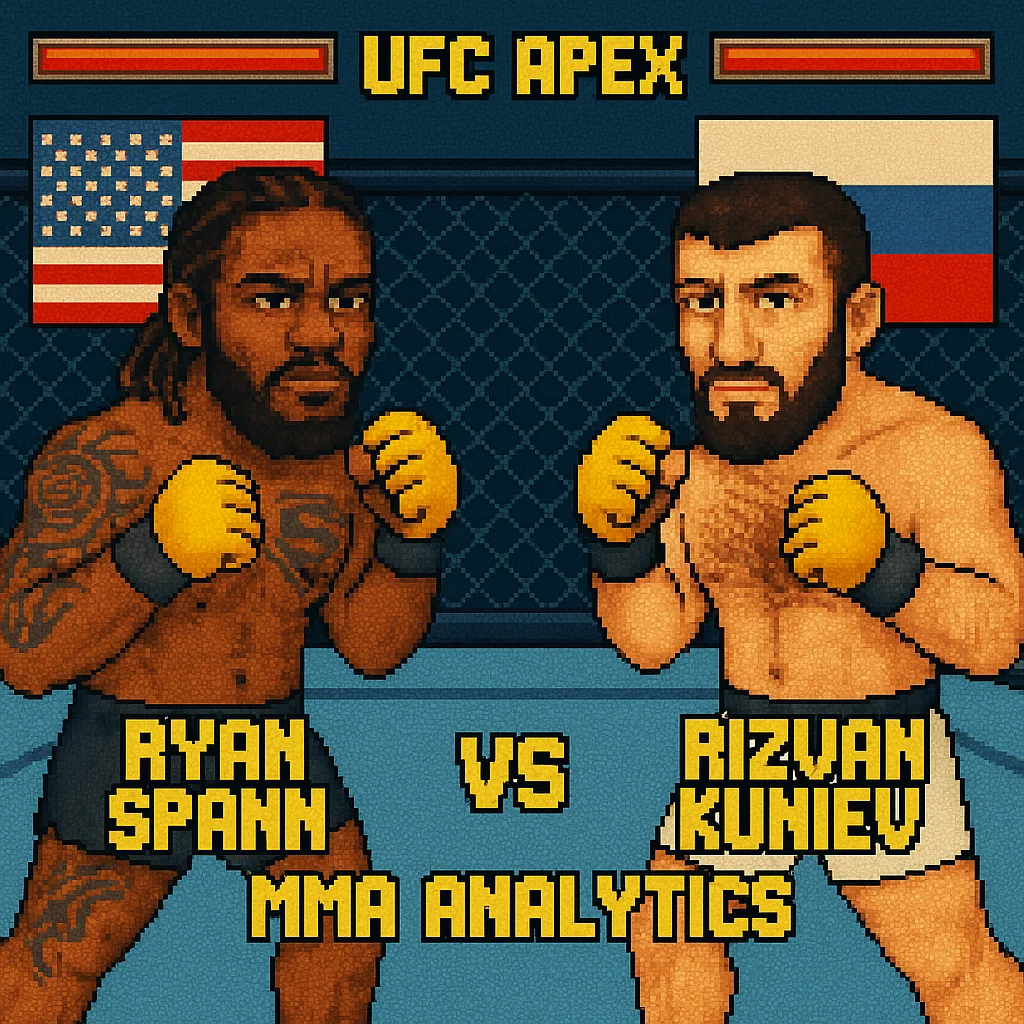
Explore Detailed Fighter Profiles
Click on either the fighter's name or profile image for each fighter to access comprehensive UFC statistics including striking metrics, grappling data, clinch performance, complete fight history, offensive & defensive analytics, and round-by-round breakdowns.
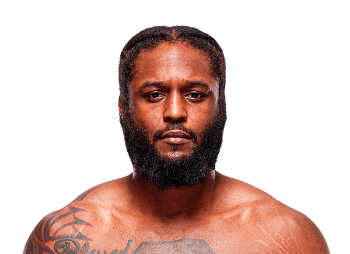
Ryan Spann
23-11-0
Ryan Spann
Fighter Metrics
Victory Methods
Win Round Distribution
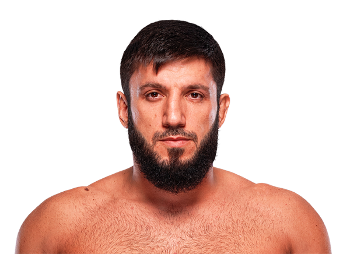
Rizvan Kuniev
13-3-1
Rizvan Kuniev
Fighter Metrics
Victory Methods
Win Round Distribution
📋 Last 5 Fights - Ryan Spann
| Date | Opponent | Result | Method |
|---|---|---|---|
| 2025-07-19 | Łukasz Brzeski | W | Submission - Guillotine Choke (R1, 2:37) |
| 2025-03-15 | Waldo Cortes-Acosta | L | KO/TKO - Strikes (R2, 4:48) |
| 2024-10-05 | Ovince St. Preux | W | Submission - Guillotine Choke (R1, 1:35) |
| 2024-04-27 | Bogdan Guskov | L | KO/TKO - Ground and Pound (R2, 3:16) |
| 2023-08-26 | Anthony Smith | L | Decision - Split (R3, 5:00) |
📋 Last 5 Fights - Rizvan Kuniev
| Date | Opponent | Result | Method |
|---|---|---|---|
| 2025-06-21 | Curtis Blaydes | L | Decision - Unanimous (R3, 5:00) |
| 2024-08-20 | Hugo Cunha | W | KO/TKO - Strikes (R1, 4:59) |
| 2023-04-07 | Renan Ferreira | NC | No Contest - Overturned (R1, 0:00) |
| 2022-03-11 | Anthony Hamilton | W | Submission - Guillotine Choke (R1, 1:17) |
| 2021-09-28 | Edivan Santos | W | KO/TKO - Ground and Pound (R3, 1:00) |
Technical Analysis
Technical Score
Cardio Score
Overall Rating
📊 Technical Score
Calculated as the average of Striking Composite (66.0 vs 66.0) and Grappling Composite (78.0 vs 55.0). Balances overall striking effectiveness with grappling ability to measure complete technical skills.
💪 Cardio Score
Based on average fight duration, striking rate per minute, takedown rate, and finish rate. Measures cardiovascular endurance and ability to maintain pace throughout fights.
🎯 Overall Rating
Simple average of Technical Score and Cardio Score. Provides a holistic view of fighter capabilities combining skill level with physical conditioning and fight performance.
Striking Composite
Grappling Composite
📊 Technical Radar Comparison
📊 Metrics Legend
📊 Detailed Statistical Comparison
🥊 Fight Analysis Breakdown
🧩 Ryan Spann Key Advantages
Spann's 1.8 submissions per 15 minutes represents one of the highest submission rates in the heavyweight division, creating a constant threat that can end the fight instantly. His guillotine choke is particularly dangerous in clinch exchanges and takedown transitions—precisely the moments when Kuniev's takedown attempts create positioning vulnerabilities. Spann's 61% of wins by submission demonstrates his ability to capitalize on opponent mistakes, and in the small 25-foot cage, these opportunities appear more frequently. The American's front headlock game and ability to secure guillotines from multiple positions means Kuniev must maintain perfect head position throughout every exchange.
Spann's 79-inch reach vs Kuniev's 76 inches provides a significant advantage in extended striking exchanges. His 6'5" height combined with this reach allows him to maintain distance and land long jabs and straight punches while keeping Kuniev at bay. In the small cage, this reach advantage becomes even more valuable as Kuniev has less space to circle and reset. Spann's ability to use his reach to set up clinch entries and create angles for submission opportunities makes this physical advantage particularly dangerous when combined with his finishing ability.
Spann's 87% finish rate demonstrates his ability to end fights quickly when opportunities present themselves. His style is built around creating chaos and capitalizing on opponent mistakes rather than outworking opponents over extended periods. Twelve of his 23 career wins have come in Round 1, showing his preference for early finishes. In the small cage, this opportunistic approach becomes more dangerous as scrambles and transitions happen faster, increasing the likelihood of Spann finding the submission or explosive finish he needs. His ability to turn a single positioning error into a fight-ending sequence makes him dangerous even when losing rounds.
⚠️ Unfavorable Scenarios
If Kuniev maintains disciplined head position and avoids clinch exchanges, his striking efficiency advantage becomes decisive. The Russian's 58% accuracy vs Spann's 39% means he lands significantly more clean shots in extended exchanges, while his 2.45 SApM vs Spann's 4.14 shows superior damage economy. If the fight remains at extended range without scrambles or clinch opportunities, Kuniev's technical striking should accumulate damage and win rounds. Spann's 52% takedown defense suggests Kuniev can control grappling exchanges if he chooses to engage, but the key is avoiding the front headlock positions where Spann's guillotine becomes most dangerous.
If Spann cannot find submission opportunities and the fight remains in extended striking exchanges, Kuniev's efficiency advantage becomes overwhelming. The Russian's 4.45 SLpM with 58% accuracy vs Spann's 3.19 SLpM with 39% accuracy creates a massive differential that compounds over three rounds. Spann's 4.14 SApM absorption rate means he takes significant damage in these exchanges, and his 43% striking defense suggests he struggles to avoid clean shots. Without the threat of submissions or explosive finishes, Spann's technical disadvantages become increasingly apparent as the fight progresses.
📋 Likely Gameplan
Spann should utilize his reach advantage to land long jabs and straight punches, forcing Kuniev to close distance and creating opportunities for clinch entries. His 79-inch reach allows him to maintain distance while threatening strikes, and when Kuniev closes, Spann can transition to front headlock positions. The American's ability to mix striking with submission threats keeps Kuniev guessing and prevents him from settling into a comfortable striking rhythm. By varying his approach—sometimes staying at range, sometimes forcing clinch exchanges—Spann can create the chaotic transitions where his guillotine becomes most dangerous.
Spann's primary path to victory is securing front headlock positions where his guillotine becomes most dangerous. When Kuniev attempts takedowns or forces clinch exchanges, Spann should immediately look for front headlock opportunities. His 61% of wins by submission demonstrates his ability to capitalize on these positions, and in the small cage, these transitions happen faster. Spann's priority should be creating scrambles and transitions where positioning errors occur, rather than trying to outwork Kuniev in extended striking exchanges where efficiency disadvantages become apparent.
🚀 Rizvan Kuniev Key Advantages
Kuniev's 58% striking accuracy vs Spann's 39% represents a massive efficiency differential that fundamentally shifts fight dynamics. Combined with his 4.45 SLpM output vs Spann's 3.19, Kuniev lands significantly more clean shots per minute while maintaining higher output. This efficiency advantage compounds over three rounds—Kuniev accumulates damage while Spann struggles to land clean shots consistently. The Russian's ability to maintain this accuracy while varying attack angles and switching stances makes him difficult to counter effectively, especially in extended exchanges where Spann's technical disadvantages become apparent.
Kuniev's 2.45 strikes absorbed per minute vs Spann's 4.14 creates a damage economy that heavily favors the Russian in scoring optics and fight longevity. This nearly 2-to-1 differential means Kuniev absorbs significantly less damage while maintaining higher offensive output, creating a compounding advantage over three rounds. His 45% striking defense combined with efficient footwork and head movement means fewer clean shots land, while Spann's 43% defense and high absorption rate suggest he struggles to avoid damage in extended exchanges. This damage economy becomes particularly decisive as the fight progresses and accumulated damage becomes visually apparent to judges.
Kuniev's 90% takedown defense and 75% takedown accuracy suggest he can control grappling exchanges if he chooses to engage. While Spann's submission threat is dangerous, Kuniev's superior wrestling metrics mean he can stuff takedown attempts and maintain top position when he secures his own. His ability to control clinch exchanges with proper head position discipline minimizes Spann's guillotine opportunities. The Russian's wrestling advantage becomes particularly valuable in the small cage where space is compressed and takedown opportunities appear more frequently, but his technical superiority allows him to control these exchanges while avoiding submission threats.
⚠️ Unfavorable Scenarios
If Kuniev makes positioning errors in clinch exchanges or takedown attempts, Spann's guillotine threat becomes immediately dangerous. The American's 1.8 SubPer15 means he capitalizes on these mistakes frequently, and in the small cage, these transitions happen faster. Kuniev's 90% takedown defense suggests he can stuff initial attempts, but if he forces clinch entries or attempts takedowns himself, he creates the front headlock positions where Spann's guillotine is most dangerous. Once Spann secures the front headlock, the fight can end instantly regardless of how the previous rounds have gone. This scenario becomes more likely if Kuniev becomes overaggressive or loses head position discipline in pursuit of takedowns or ground control.
Kuniev has only one UFC fight (loss to Blaydes), which means his metrics like 90% takedown defense may be inflated by small sample size. While his efficiency advantages are clear, the lack of UFC experience against diverse competition creates uncertainty about how he'll handle Spann's unorthodox submission threats. His ability to maintain discipline under pressure and avoid the positioning errors that lead to Spann's finishes remains somewhat untested at the UFC level, especially against a finisher with Spann's opportunistic style.
📋 Likely Gameplan
Kuniev's optimal strategy involves maintaining head position discipline while applying pressure with efficient striking. His 58% accuracy advantage allows him to land clean shots consistently while minimizing risk, and his 2.45 SApM shows he can maintain this approach without absorbing significant damage. When clinch exchanges occur, Kuniev must keep his head outside Spann's front headlock range—forehead on chest or shoulder, never allowing Spann to secure the front headlock position. His 90% takedown defense suggests he can stuff Spann's attempts, but the key is avoiding the positioning errors that create guillotine opportunities. By maintaining disciplined positioning and efficient striking, Kuniev can accumulate damage while minimizing Spann's submission threats.
Kuniev's best path to victory is consistent pressure and damage accumulation over three rounds. His efficiency advantages mean he can outland Spann significantly in extended exchanges while absorbing less damage, creating a compounding advantage as the fight progresses. The Russian should look to establish his striking rhythm early and maintain it throughout, using his 4.45 SLpM output and 58% accuracy to rack up significant strike differentials. By avoiding risky exchanges and maintaining disciplined positioning, Kuniev can build rounds while minimizing Spann's opportunities for opportunistic finishes. His superior cardio and damage economy suggest he can maintain this approach effectively over three rounds.
🎯 Fight Prediction Analysis
Data-driven prediction model based on statistical analysis
📊Detailed Analysis Summary
🏟️Cage Dynamics
The 25-foot octagon (small cage) creates a critical dynamic in this matchup—compressing space and accelerating the pace of exchanges. Kuniev's 76-inch reach and 6'4" height provide advantages in early exchanges when he can establish striking rhythm, but the smaller cage limits his ability to maintain extended range. Spann's guillotine threat becomes more dangerous in tight spaces where clinch entries happen faster and scrambles are more frequent. The compressed environment favors Kuniev's pressure striking approach while simultaneously increasing the likelihood of Spann finding submission opportunities in transitions. This creates a fascinating tension where both fighters' primary weapons are amplified by the cage size, making early exchanges decisive.
🎯Technical Breakdown
The statistical analysis reveals two primary battlefields where this fight will be decided: striking efficiency and submission threat. Kuniev's 4.45 SLpM with 58% accuracy vs Spann's 3.19 SLpM with 39% accuracy represents a massive efficiency differential that favors Kuniev in extended exchanges. Kuniev's damage economy (2.45 SApM vs Spann's 4.14) means he absorbs significantly less damage while maintaining higher offensive output. However, Spann's 1.8 SubPer15 creates a constant threat that can end the fight instantly if Kuniev makes positioning errors. The Russian's superior takedown accuracy (75% vs 34%) and defense (90% vs 52%) suggest he can control grappling exchanges, but Spann's guillotine is most dangerous precisely in those transition moments. These differentials create a framework where Kuniev's efficiency should win rounds, but Spann's submission threat can erase that advantage in seconds.
🧩Key Battle Areas
Three critical battle areas will determine the outcome: head position discipline in clinch exchanges, striking efficiency vs submission threat, and damage accumulation over three rounds. Kuniev's 90% takedown defense suggests he can stuff Spann's takedown attempts, but Spann's guillotine threat is most dangerous when Kuniev forces clinch entries or attempts takedowns himself. The Russian's 58% striking accuracy vs Spann's 39% creates a significant efficiency advantage in extended exchanges, but Spann's 1.8 SubPer15 means any positioning error can end the fight instantly. Kuniev's superior cardio (50.0 vs 47.2) and damage economy (2.45 vs 4.14 SApM) suggest he can accumulate damage over three rounds, but Spann's opportunistic finishing ability means he only needs one mistake to secure victory.
🏁Final Prediction
The most likely outcome is Rizvan Kuniev by KO/TKO (33% probability), achieved through superior striking efficiency and damage accumulation over three rounds. Kuniev's decision path (32%) becomes viable if he maintains head position discipline and avoids Spann's guillotine threats while accumulating damage through efficient striking. Spann's primary path to victory is by Submission (16%) via guillotine choke when Kuniev makes positioning errors in clinch exchanges or takedown attempts. Spann's KO/TKO path (9%) requires explosive finishes in chaotic exchanges, while his decision path (8%) is unlikely given his efficiency disadvantages. The fight's outcome hinges on whether Kuniev can maintain disciplined positioning and striking efficiency while avoiding Spann's opportunistic submission threats.
💰 Betting Analysis: Model vs Market
Detailed value assessment in the betting market
📊Market Odds
🤖Analytical Model
💎Value Opportunities
MAXIMUM VALUE
Model: 33% | Fair: +205
GOOD VALUE
Model: 16% | Fair: +525
SLIGHT VALUE
Model: 56% | Fair: -125
⚠️Key Market Discrepancies
- • Overweights submission threat – Underprices Kuniev's striking efficiency and damage accumulation over three rounds.
- • Undervalues damage economy – Kuniev's 2.45 SApM vs Spann's 4.14 creates significant differential that compounds over rounds.
- • Small-cage dynamics – Compressed space amplifies both fighters' weapons but favors Kuniev's pressure approach.
🎯 Comprehensive Probabilistic Analysis
100 hypothetical fight simulation based on statistical data
🏆Outcome Distribution - Ryan Spann
Primary path via guillotine choke opportunities
Explosive finishes in chaotic exchanges
Rare when fight goes to scorecards
💥Outcome Distribution - Rizvan Kuniev
Primary path via efficient striking and pressure
Control and damage accumulation over three rounds
Low historical submission profile
⏰Fight Timeline Analysis
⚡Window of Opportunity - Rizvan Kuniev
- • Early rounds: Establish striking rhythm and pressure before Spann finds guillotine opportunities.
- • Head position discipline: Maintain proper head position in clinch to avoid front headlock scenarios.
- • Striking efficiency: Use 58% accuracy advantage to accumulate damage while minimizing risk.
🎯Opportunistic Finishes - Ryan Spann
- • Guillotine threat: Capitalize on Kuniev's takedown attempts or clinch entries to secure front headlock finishes.
- • Early chaos: Create scrambles and transitions where submission opportunities appear.
- • Defensive positioning: Avoid extended striking exchanges where efficiency differential hurts.
🎯 Final Confidence Assessment
Confidence level and uncertainty factors
Confidence Level
Moderate confidence due to submission threat vs efficiency edge
✅Supporting Factors
- • Significant striking efficiency edge (58% vs 39% accuracy)
- • Superior damage economy (2.45 vs 4.14 SApM)
- • Better takedown accuracy and defense
- • Small cage favors pressure striking approach
⚠️Risk Factors
- • Spann's guillotine threat can end fight instantly
- • Limited UFC sample size for Kuniev (1 fight)
- • Small cage increases submission opportunity frequency
🏁Executive Summary
Rizvan Kuniev's efficient striking approach should control the pace and accumulate damage over three rounds in the 25-foot octagon, while Ryan Spann's best equity centers on opportunistic guillotine finishes when Kuniev makes positioning errors. The statistical differentials favor Kuniev: his 4.45 SLpM with 58% accuracy vs Spann's 3.19 SLpM with 39% accuracy creates a significant efficiency advantage, while his 2.45 SApM vs Spann's 4.14 represents superior damage economy. Kuniev's 90% takedown defense and 75% takedown accuracy suggest he can control grappling exchanges, but Spann's 1.8 SubPer15 means any positioning mistake can end the fight instantly. The small cage amplifies both fighters' primary weapons—Kuniev's pressure striking becomes more effective, while Spann's submission opportunities appear more frequently in compressed spaces.
Prediction: Kuniev by KO/TKO most likely (33% probability) through efficient striking and damage accumulation; Kuniev by Decision (32%) if he maintains head position discipline and avoids submission threats. Spann's primary path to victory is by Submission (16%) via guillotine choke when Kuniev makes positioning errors. The fight's outcome hinges on whether Kuniev can maintain disciplined positioning and striking efficiency while avoiding Spann's opportunistic submission threats over three rounds.