

Uran Satybaldiev vs Julius Walker
Men's Light Heavyweight Bout • UFC Fight Night: Bautista vs Oliveira
Saturday, February 7, 2026 • 25ft Octagon (Small Cage)
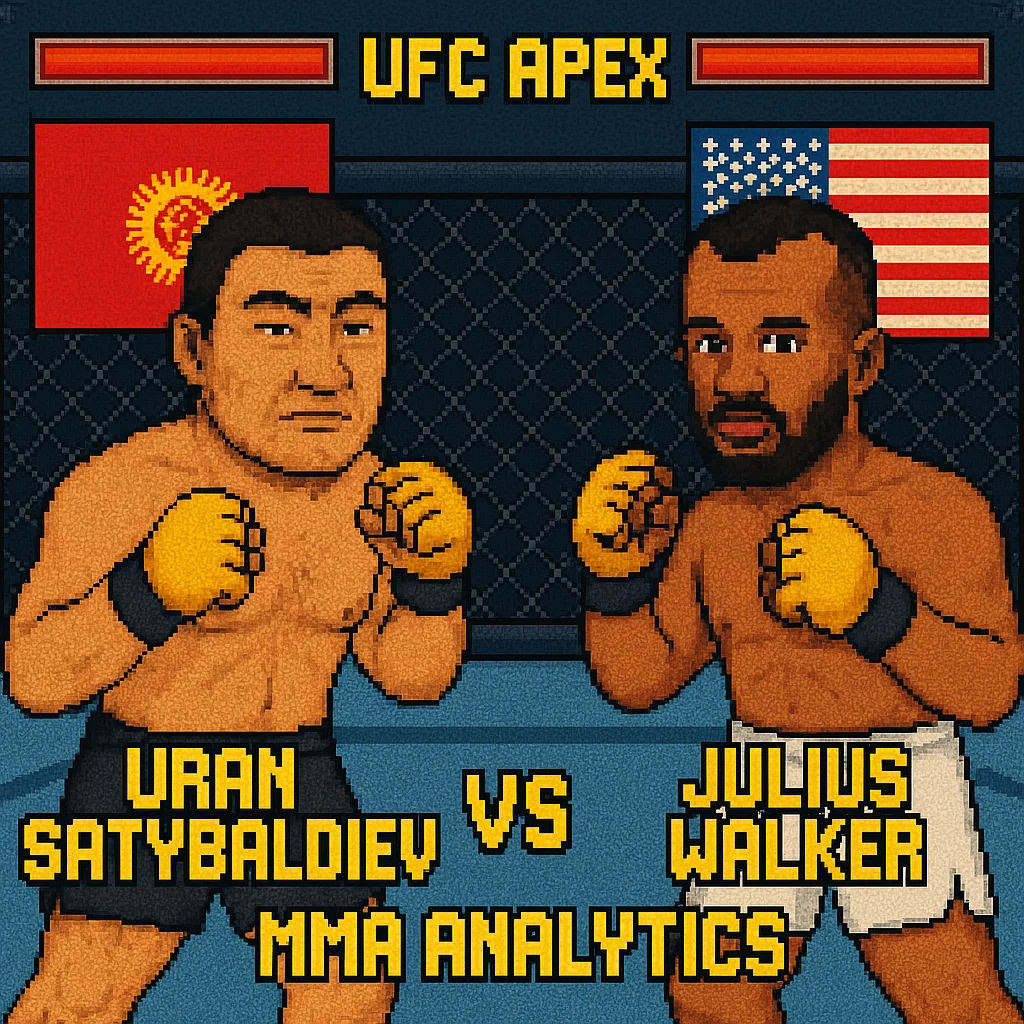
Explore Detailed Fighter Profiles
Click on either the fighter's name or profile image for each fighter to access comprehensive UFC statistics including striking metrics, grappling data, clinch performance, complete fight history, offensive & defensive analytics, and round-by-round breakdowns.
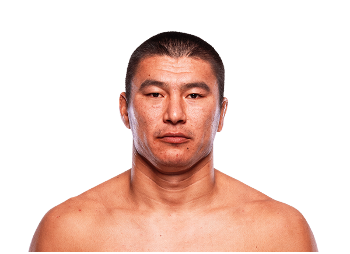
Uran Satybaldiev
Fighter Metrics
Victory Methods
Win Round Distribution
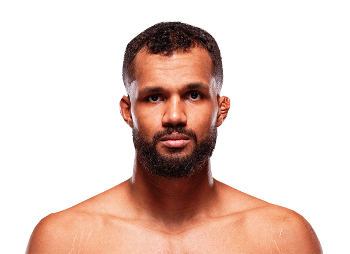
Julius Walker
Fighter Metrics
Victory Methods
Win Round Distribution
📋 Last 5 Fights - Uran Satybaldiev
| Date | Opponent | Result | Method |
|---|---|---|---|
| 2025-08-23 | Diyar Nurgozhay | W | Submission - Ezekiel Choke (R1, 2:45) |
| 2025-04-05 | Martin Buday | L | Decision - Unanimous (R3, 5:00) |
| 2025-03-06 | Leon Soares | W | Submission - Kimura (R3, 2:19) |
| 2024-03-08 | Bruno Assis | W | TKO - Punches (R4, 3:27) |
| 2023-08-18 | Gabriel Thimoteo | W | Decision - Unanimous (R3, 5:00) |
📋 Last 5 Fights - Julius Walker
| Date | Opponent | Result | Method |
|---|---|---|---|
| 2025-08-09 | Raffael Cerqueira | W | Decision - Unanimous (R3, 5:00) |
| 2025-02-22 | Alonzo Menifield | L | Decision - Split (R3, 5:00) |
| 2024-12-07 | Myron Dennis | W | TKO - Ground Pound (R1, 1:58) |
| 2024-11-16 | Bevon Lewis | W | TKO (R1, 3:30) |
| 2024-06-01 | Nyle Bartling | W | Submission - Triangle Choke (R2, 1:38) |
Technical Analysis
Technical Score
Cardio Score
Overall Rating
📊 Technical Score
Calculated as the average of Striking Composite (66.0 vs 66.0) and Grappling Composite (78.0 vs 55.0). Balances overall striking effectiveness with grappling ability to measure complete technical skills.
💪 Cardio Score
Based on average fight duration, striking rate per minute, takedown rate, and finish rate. Measures cardiovascular endurance and ability to maintain pace throughout fights.
🎯 Overall Rating
Simple average of Technical Score and Cardio Score. Provides a holistic view of fighter capabilities combining skill level with physical conditioning and fight performance.
Striking Composite
Grappling Composite
📊 Technical Radar Comparison
📊 Metrics Legend
📊 Detailed Statistical Comparison
🥊 Fight Analysis Breakdown
🧩 Uran Satybaldiev Key Advantages
Satybaldiev's 1.7 submissions per 15 minutes represents a significant finishing threat that Walker cannot match (0.0 SubPer15). This differential creates a dangerous "equalizer" scenario—if Walker commits to takedowns or clinch exchanges, Satybaldiev's submission arsenal (Ezekiel chokes, kimuras, guillotines) becomes a fight-ending weapon. In the small 25-foot cage, clinch and ground exchanges are inevitable, giving Satybaldiev multiple opportunities to capitalize on Walker's grappling entries. The Kazakh's ability to convert defensive positions into submission attempts makes him dangerous even when behind on the scorecards, as one opportunistic finish can end the fight instantly.
Despite low volume (2.14 SLpM), Satybaldiev's power threat is real—6 of his 10 career wins came via KO/TKO, demonstrating fight-ending capability when he connects cleanly. His 25% striking accuracy suggests he doesn't win by accumulation, but by moments of opportunity. In the small cage, Walker's takedown entries and pressure create closer-range exchanges where Satybaldiev's power becomes more dangerous. The Kazakh's ability to land fight-altering shots even with low output means he remains a threat throughout all three rounds, especially if Walker becomes overconfident in his volume advantage and commits to aggressive entries.
Satybaldiev's 80% finish rate (8 finishes in 10 wins) shows he doesn't rely on decision paths—he wins by capitalizing on mistakes. His style is built around "catch-and-finish" moments rather than sustained pressure, which makes him dangerous even when losing rounds. If Walker makes tactical errors—committing to takedowns without proper neck/arm protection, or leaving openings in close-range exchanges—Satybaldiev has the finishing ability to end the fight instantly. This opportunistic approach is particularly effective in three-round fights where one mistake can determine the outcome, rather than requiring sustained dominance over five rounds.
⚠️ Unfavorable Scenarios
Satybaldiev's 2.14 SLpM vs Walker's 4.33 creates a massive output gap that becomes problematic in scoring optics. With only 25% striking accuracy, Satybaldiev struggles to win rounds by accumulation—he needs moments rather than sustained pressure. If Walker maintains consistent volume and avoids major mistakes, he can rack up significant strike differentials that judges consistently reward. The small cage helps Satybaldiev by forcing exchanges, but if Walker successfully maintains distance and volume, Satybaldiev could find himself down 2-0 on scorecards heading into Round 3, requiring a finish to win.
Satybaldiev's 0.00 TD15 and 0% takedown accuracy means he has no offensive wrestling to force grappling exchanges. Walker controls where the fight takes place—if he wants to strike, he can strike; if he wants to grapple, he can initiate takedowns. This removes Satybaldiev's ability to force his preferred submission scenarios, as he must rely on Walker's mistakes rather than creating opportunities himself. Without takedown threat, Satybaldiev cannot dictate fight location, making him reactive rather than proactive in determining where the action occurs.
📋 Likely Gameplan
Satybaldiev should focus on counter-striking opportunities when Walker commits to volume combinations, looking for openings to land power shots. His low output (2.14 SLpM) means he must be selective, but his power makes each connection dangerous. When Walker initiates takedown attempts, Satybaldiev should look to catch submissions—guillotines, kimuras, or Ezekiel chokes—as Walker enters. The small cage forces exchanges, giving Satybaldiev more opportunities to capitalize on Walker's aggressive entries. By staying defensively sound and waiting for moments rather than forcing action, Satybaldiev can maximize his finishing potential.
If Satybaldiev finds himself in grappling exchanges—whether from Walker's takedowns or clinch situations—his priority should be converting to submissions rather than accepting control time. His 1.7 SubPer15 demonstrates real finishing ability, and Walker's 0.0 SubPer15 suggests he may not respect submission threats properly. Satybaldiev should look for arm-in guillotines on takedown entries, kimura traps from half-guard, or Ezekiel chokes from front headlock positions. The key is capitalizing on Walker's aggressive grappling entries rather than accepting bottom position and control time, as Satybaldiev's path to victory requires finishes, not decisions.
🚀 Julius Walker Key Advantages
Walker's 4.33 SLpM with 55% accuracy vs Satybaldiev's 2.14 SLpM and 25% accuracy creates a massive scoring advantage. This differential means Walker lands more strikes, more accurately, creating clear round-winning optics for judges. In the small 25-foot cage, Satybaldiev cannot easily escape Walker's pressure, forcing exchanges where Walker's superior volume and precision accumulate significant strike differentials. Walker's ability to maintain this output over three rounds while Satybaldiev struggles to match pace creates a clear decision path—Walker can win rounds by accumulation without needing finishes, while Satybaldiev must find fight-ending moments.
Walker's 3.50 takedowns per 15 minutes with 36% accuracy and 100% takedown defense gives him complete control over fight location. He can choose when to strike and when to grapple, forcing Satybaldiev to react rather than dictate. In the small cage, Walker's takedown threat becomes even more effective—less space means fewer escape routes, making Satybaldiev's defensive wrestling more difficult. Walker can mix takedowns with striking to break Satybaldiev's rhythm, prevent him from settling into power shots, and accumulate control time that judges reward. This dual-threat approach—volume striking plus takedown control—creates multiple paths to victory while limiting Satybaldiev's finishing opportunities.
⚠️ Unfavorable Scenarios
Walker's aggressive takedown approach (3.50 TD15) creates multiple opportunities for Satybaldiev's submission threat (1.7 SubPer15). If Walker commits to takedowns without proper neck and arm protection, Satybaldiev can capitalize with guillotines, kimuras, or Ezekiel chokes. The small cage makes clinch and ground exchanges inevitable, increasing the likelihood of submission opportunities. Walker's 0.0 SubPer15 suggests he may not fully respect submission threats, potentially leading to careless entries that Satybaldiev can exploit. One mistake in a takedown attempt or ground exchange could end the fight instantly, regardless of Walker's volume advantage.
Despite Walker's volume advantage, Satybaldiev's power threat (60% KO/TKO rate) means one clean connection can end the fight. Walker's aggressive pressure and takedown entries create closer-range exchanges where Satybaldiev's power becomes more dangerous. If Walker becomes overconfident in his volume edge and commits to aggressive combinations without proper defense, Satybaldiev can capitalize with fight-ending counters. The small cage limits Walker's ability to maintain extended range, forcing him into exchanges where Satybaldiev's power threat is maximized. Walker must balance his volume advantage with defensive awareness to avoid fight-ending moments.
📋 Likely Gameplan
Walker should utilize his 4.33 SLpM output with 55% accuracy to establish early volume advantages while mixing in takedown attempts (3.50 TD15) to break Satybaldiev's rhythm and prevent him from settling into power shots. The small cage works to Walker's advantage by limiting Satybaldiev's escape routes, making his volume and takedown pressure more effective. Walker's ability to switch between striking volume and takedown threats keeps Satybaldiev guessing and prevents him from finding finishing opportunities. By maintaining consistent pressure and accumulating strike differentials, Walker can build scorecard leads while minimizing risk.
When Walker commits to takedowns, he must prioritize safe entries with proper neck and arm protection to avoid Satybaldiev's submission threats. His 100% takedown defense suggests he can defend Satybaldiev's takedown attempts, but when he initiates grappling, he must be cautious. Walker should focus on control positions and ground-and-pound rather than exposing himself to submission attempts. By maintaining top position and accumulating control time, Walker can score points while minimizing the risk of fight-ending submissions. The key is balancing his takedown advantage with defensive awareness against Satybaldiev's finishing ability.
🎯 Fight Prediction Analysis
Data-driven prediction model based on statistical analysis
📊Detailed Analysis Summary
🏟️Cage Dynamics
The 25-foot small cage creates a critical dynamic in this matchup—forcing exchanges and limiting escape routes, which benefits Walker's volume pressure while simultaneously creating opportunities for Satybaldiev's finishing threats. Walker's superior volume (4.33 SLpM vs 2.14) and takedown control (3.50 TD15 vs 0.00) allow him to dictate fight location and accumulate scoring advantages. However, the compressed space also increases the likelihood of clinch and ground exchanges where Satybaldiev's submission threat (1.7 SubPer15) becomes dangerous. The small cage prevents Satybaldiev from easily escaping Walker's pressure, but it also limits Walker's ability to maintain extended range, creating closer exchanges where Satybaldiev's power and submission threats are maximized. This creates a tension between Walker's volume advantage and Satybaldiev's finishing ability.
🎯Technical Breakdown
The statistical analysis reveals three primary battlefields where this fight will be decided: striking volume/accuracy, takedown control, and submission threat. Walker's massive volume advantage (4.33 SLpM vs 2.14) combined with superior accuracy (55% vs 25%) creates clear scoring optics that judges consistently reward. His takedown control (3.50 TD15 vs 0.00) gives him complete control over fight location, allowing him to mix striking and grappling while Satybaldiev has no offensive wrestling to force his preferred scenarios. However, Satybaldiev's submission threat (1.7 SubPer15 vs 0.0) represents a dangerous "equalizer"—if Walker makes mistakes in takedown entries or ground exchanges, Satybaldiev can end the fight instantly. These differentials create a framework where Walker's volume and control advantages are balanced against Satybaldiev's finishing ability.
🧩Key Battle Areas
Three critical battle areas will determine the outcome: volume accumulation vs power moments, takedown control vs submission threat, and decision path vs finish requirement. Walker's volume advantage (4.33 SLpM, 55% accuracy) allows him to win rounds by accumulation, but Satybaldiev's power (60% KO/TKO rate) means one clean connection can end the fight. Walker's takedown control (3.50 TD15) gives him multiple paths to victory, but his aggressive grappling entries create opportunities for Satybaldiev's submissions (1.7 SubPer15). The small cage forces exchanges, benefiting Walker's pressure while simultaneously creating opportunities for Satybaldiev's finishing threats. Walker's decision path (46% probability) requires avoiding major mistakes over three rounds, while Satybaldiev's path (29% total) requires capitalizing on Walker's errors with finishes.
🏁Final Prediction
The most likely outcome is Julius Walker by Decision (46% probability), achieved through consistent volume pressure, takedown control, and strike accumulation over three rounds. Walker's KO/TKO path (22%) becomes viable if his volume and ground-and-pound accumulate damage, particularly if Satybaldiev struggles to match pace. Satybaldiev's upset lane centers on Submission (12%) via guillotines, kimuras, or Ezekiel chokes when Walker commits to takedown attempts, or KO/TKO (14%) via power counters in close-range exchanges. Satybaldiev's decision path (3%) is unlikely given his low volume and accuracy, requiring him to find fight-ending moments rather than winning by accumulation. The fight's outcome hinges on whether Walker can maintain his volume and control advantages while avoiding the submission and power threats that Satybaldiev presents.
💰 Betting Analysis: Model vs Market
Detailed value assessment in the betting market
📊Market Odds
🤖Analytical Model
💎Value Opportunities
MAXIMUM VALUE
Model: 46% | Fair: +115
GOOD VALUE
Model: 12% | Fair: +735
SLIGHT VALUE
Model: 52% | Fair: +110
⚠️Key Market Discrepancies
- • Overweights submission threat – Underprices volume and control advantages in 3-round format.
- • Undervalues decision path – Volume and accuracy differentials drive clear scoring optics.
- • Small-cage dynamics – Compressed space benefits pressure while creating submission opportunities.
🎯 Comprehensive Probabilistic Analysis
100 hypothetical fight simulation based on statistical data
🏆Outcome Distribution - Uran Satybaldiev
Power strikes and opportunistic finishes
Submission threat from clinch and ground
Low volume limits decision path
💥Outcome Distribution - Julius Walker
Primary path via volume and control
Volume accumulation and ground strikes
Low submission threat profile
⏰Fight Timeline Analysis
⚡Window of Opportunity - Julius Walker
- • Early rounds: Establish volume and takedown control to build scorecard leads.
- • Volume pressure: Maintain 4.33 SLpM output with 55% accuracy to accumulate strike differentials.
- • Safe grappling: Mix takedowns with proper neck/arm protection to avoid submission threats.
🎯Finishing Opportunities - Uran Satybaldiev
- • Submission traps: Capitalize on Walker's takedown entries with guillotines, kimuras, or Ezekiel chokes.
- • Power counters: Look for openings in close-range exchanges where volume meets power.
- • Moment-based: Must find fight-ending opportunities rather than winning by accumulation.
🎯 Final Confidence Assessment
Confidence level and uncertainty factors
Confidence Level
Strong edge via volume and control, balanced by submission threat
✅Supporting Factors
- • Massive volume and accuracy edge (4.33 SLpM, 55% vs 2.14 SLpM, 25%)
- • Complete takedown control (3.50 TD15 vs 0.00)
- • Small cage benefits pressure and control
- • Multiple paths to victory (decision, KO/TKO, control)
⚠️Risk Factors
- • Submission threat (1.7 SubPer15) on takedown entries
- • Power finishing ability (60% KO/TKO rate)
- • Small cage creates closer exchanges where power matters
🏁Executive Summary
Julius Walker's volume and control advantages create a clear path to victory through consistent pressure and accumulation over three rounds in the small 25-foot cage. His massive striking edge (4.33 SLpM, 55% accuracy vs 2.14 SLpM, 25% accuracy) allows him to win rounds by accumulation, while his takedown control (3.50 TD15 vs 0.00) gives him complete control over fight location. However, Uran Satybaldiev's submission threat (1.7 SubPer15) and power finishing ability (60% KO/TKO rate) create dangerous "equalizer" scenarios—if Walker makes mistakes in takedown entries or close-range exchanges, Satybaldiev can end the fight instantly. The small cage forces exchanges, benefiting Walker's pressure while simultaneously creating opportunities for Satybaldiev's finishing threats. Walker's decision path (46% probability) requires avoiding major mistakes over three rounds, while Satybaldiev's path (29% total) requires capitalizing on Walker's errors with finishes rather than winning by accumulation.
Prediction: Walker by Decision most likely (46% probability) through consistent volume pressure and takedown control; Satybaldiev's upset lanes are Submission (12%) via guillotines/kimuras on takedown entries, or KO/TKO (14%) via power counters in close-range exchanges. The fight's outcome hinges on whether Walker can maintain his volume and control advantages while avoiding the submission and power threats that Satybaldiev presents throughout all three rounds.