

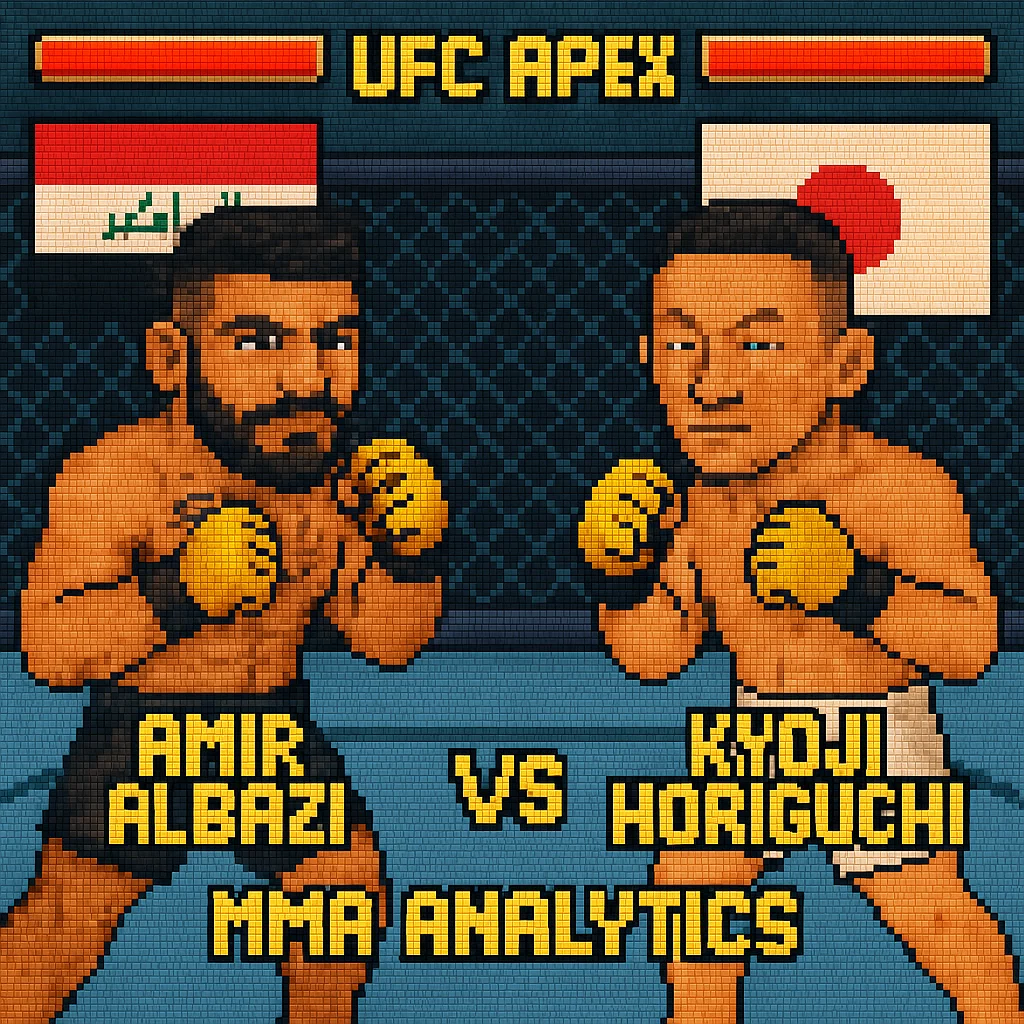
Amir Albazi vs Kyoji Horiguchi
Men's Flyweight Bout • UFC Fight Night: Bautista vs Oliveira
Saturday, February 7, 2026 • 25ft Octagon (Small Cage)
Explore Detailed Fighter Profiles
Click on either the fighter's name or profile image for each fighter to access comprehensive UFC statistics including striking metrics, grappling data, clinch performance, complete fight history, offensive & defensive analytics, and round-by-round breakdowns.

Amir Albazi
Fighter Metrics
Victory Methods
Win Round Distribution
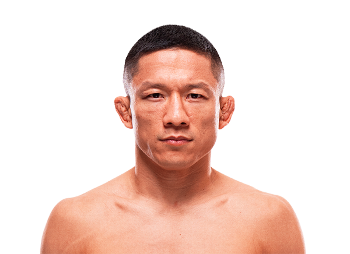
Kyoji Horiguchi
Fighter Metrics
Victory Methods
Win Round Distribution
📋 Last 5 Fights - Amir Albazi
| Date | Opponent | Result | Method |
|---|---|---|---|
| 2024-11-02 | Brandon Moreno | L | Decision - Unanimous (R5, 5:00) |
| 2023-06-03 | Kai Kara-France | W | Decision - Split (R5, 5:00) |
| 2022-12-17 | Alessandro Costa | W | KO/TKO - Strikes (R3, 2:13) |
| 2022-08-20 | Francisco Figueiredo | W | Submission - Rear Naked Choke (R1, 4:34) |
| 2021-01-23 | Zhalgas Zhumagulov | W | Decision - Unanimous (R3, 5:00) |
📋 Last 5 Fights - Kyoji Horiguchi
| Date | Opponent | Result | Method |
|---|---|---|---|
| 2025-11-22 | Tagir Ulanbekov | W | Submission - Rear Naked Choke (R3, 2:18) |
| 2024-12-31 | Nkazimulo Zulu | W | Decision - Unanimous (R3, 5:00) |
| 2024-06-09 | Sergio Pettis | W | Decision - Unanimous (R3, 5:00) |
| 2023-12-31 | Makoto Shinryu | W | Submission - Rear Naked Choke (R2, 3:44) |
| 2023-07-29 | Makoto Shinryu | NC | No Contest - Accidental Eye Poke (R1, 0:25) |
Technical Analysis
Technical Score
Cardio Score
Overall Rating
📊 Technical Score
Calculated as the average of Striking Composite (50.0 vs 67.7) and Grappling Composite (30.3 vs 37.5). Balances overall striking effectiveness with grappling ability to measure complete technical skills.
💪 Cardio Score
Based on average fight duration, striking rate per minute, takedown rate, and finish rate. Measures cardiovascular endurance and ability to maintain pace throughout fights.
🎯 Overall Rating
Simple average of Technical Score and Cardio Score. Provides a holistic view of fighter capabilities combining skill level with physical conditioning and fight performance.
Striking Composite
Grappling Composite
📊 Technical Radar Comparison
📊 Metrics Legend
📊 Detailed Statistical Comparison
🥊 Fight Analysis Breakdown
🧩 Amir Albazi Key Advantages
Albazi's 0.52 submissions per 15 minutes represents the most significant finishing threat in this matchup. His career 47% submission finish rate (8 of 17 wins) combined with his jiu-jitsu background creates fight-ending opportunities whenever he secures back control or neck exposure. The Iraqi's ability to transition from scrambles to rear-naked chokes—as seen in his finishes against Figueiredo and others—means Horiguchi must be perfect in his defensive positioning. In the small 25-foot cage, Albazi can force clinch exchanges and capitalize on any positioning errors, making his submission threat the primary path to victory.
Albazi's 11 first-round victories (of 17 total wins) demonstrate his ability to capitalize on early opportunities and finish fights quickly. His 82.4% finish rate means he doesn't rely on decisions—when he wins, he typically ends fights before the final bell. This early-finish profile creates significant volatility in the first 5 minutes, where a single scramble or back-take opportunity can end the fight. The small cage amplifies this threat by reducing space for Horiguchi to reset and escape, forcing more frequent grappling exchanges where Albazi's submission skills become decisive.
The 25-foot small cage creates favorable conditions for Albazi's grappling-heavy approach. Reduced space limits Horiguchi's ability to circle and maintain distance, forcing more frequent clinch exchanges and fence work where Albazi can initiate takedowns or back-take sequences. The smaller octagon also means less ground to cover when pursuing grappling opportunities, allowing Albazi to close distance more effectively. While Horiguchi's striking efficiency remains a threat, the compressed space significantly increases the likelihood of grappling exchanges where Albazi's submission skills become the deciding factor.
⚠️ Unfavorable Scenarios
Horiguchi's striking efficiency and volume control create significant challenges for Albazi's grappling entries. The Japanese fighter's 3.60 SLpM output and 45% accuracy mean he lands clean shots consistently while maintaining distance. His ability to switch stances and vary attack angles makes takedown entries difficult to time, while his 2.0 TD15 rate actually exceeds Albazi's wrestling metrics. If Horiguchi maintains extended range and prevents clinch exchanges, his volume differential (3.60 vs 2.72 SLpM) compounds over three rounds, creating significant strike differentials that judges consistently reward.
If Albazi fails to secure early submissions and the fight progresses to later rounds, Horiguchi's volume advantage becomes increasingly decisive. The Japanese fighter's historical dominance in Round 3 (21 career wins) combined with his superior striking efficiency (45% vs 35% accuracy) means he accumulates clean shots while Albazi struggles to match output. Even in the small cage, if Horiguchi can maintain distance and prevent grappling exchanges, his volume differential creates scoring advantages that judges consistently reward, especially when combined with his lower absorption rate (2.45 vs 3.71 SApM).
📋 Likely Gameplan
Albazi should utilize forward pressure and level changes to force clinch exchanges where his jiu-jitsu skills become decisive. His 35% striking accuracy suggests he can land setup strikes while closing distance, but his priority should be initiating grappling sequences rather than extended striking exchanges. The Iraqi's ability to mix striking entries with takedown attempts keeps Horiguchi guessing and prevents him from settling into rhythm. By varying his approach—sometimes feinting shots, sometimes committing to level changes—Albazi can exploit openings for clinch work and subsequent back-take opportunities.
Once Albazi secures clinch positions or takedowns, his priority should be transitioning to back control where his submission threat becomes fight-ending. His jiu-jitsu background emphasizes back takes, rear-naked chokes, and neck control rather than positional control. This approach maximizes finishing potential while minimizing risk—Albazi can end fights quickly through submissions rather than banking minutes through rides. The Iraqi's 0.52 Sub/15 rate and 47% career submission finish rate suggest he can capitalize on back exposure opportunities, making this strategy both effective and decisive in the small cage.
🚀 Kyoji Horiguchi Key Advantages
Horiguchi's striking efficiency creates a clear advantage in volume and accuracy. His 3.60 SLpM output combined with 45% accuracy significantly outpaces Albazi's 2.72 SLpM and 35% accuracy, creating substantial strike differentials over three rounds. The Japanese fighter's ability to maintain this pace while switching stances and varying attack angles makes him difficult to counter effectively. His superior accuracy means he lands clean shots consistently while absorbing significantly less damage (2.45 vs 3.71 SApM), creating a scoring framework that judges consistently reward. Even in the small cage, Horiguchi's volume control and efficiency edge compound over three rounds.
Horiguchi's 2.45 SApM vs Albazi's 3.71 represents a significant damage economy advantage that compounds over three rounds. The Japanese fighter absorbs 51% fewer strikes per minute while maintaining higher offensive output, creating a scoring framework where he consistently outlands and out-absorbs his opponent. This defensive efficiency means Horiguchi maintains his pace without accumulating damage, while Albazi's higher absorption rate leaves him vulnerable to volume accumulation. The differential becomes increasingly apparent as the fight progresses, especially in Round 3 where Horiguchi historically dominates.
Horiguchi's 21 career wins in Round 3 demonstrate exceptional cardio management and strategic timing. His ability to maintain pace and efficiency throughout fights means he typically grows stronger as bouts progress, while opponents struggle to match his output. This R3 dominance becomes particularly relevant in a three-round fight where the final round often decides close decisions. Horiguchi's superior cardio (68.2 vs 64.9 cardio score) combined with his volume control means he can sustain high output in the final round while Albazi may struggle to match pace, especially if grappling exchanges have drained his energy.
⚠️ Unfavorable Scenarios
Albazi's submission threat creates a nightmare scenario for Horiguchi—once the Iraqi secures back control or neck exposure, his ability to transition to rear-naked chokes can end fights instantly. Horiguchi's 55% takedown defense suggests he can stuff initial attempts, but Albazi's persistence and small-cage advantage mean grappling exchanges become increasingly likely. Once in grappling positions, Horiguchi's striking output drops to near zero while Albazi accumulates control time and submission opportunities. This scenario becomes particularly dangerous in the first round when Albazi's 11 R1 wins demonstrate his early-finish capability.
The 25-foot small cage creates challenges for Horiguchi's preferred distance control. Reduced space limits his ability to circle and reset, forcing more frequent clinch exchanges where Albazi's jiu-jitsu skills become decisive. While Horiguchi's striking efficiency remains a threat, the compressed space significantly increases the likelihood of grappling sequences where Albazi can initiate takedowns or back-take opportunities. If Horiguchi cannot maintain distance and prevent clinch work, his volume advantage becomes less relevant as the fight transitions to Albazi's preferred domain.
📋 Likely Gameplan
Horiguchi's optimal strategy involves maintaining distance control while accumulating volume through clean striking. His 3.60 SLpM output and 45% accuracy should target Albazi's base and mobility, making takedown entries more difficult. The Japanese fighter's ability to switch stances allows him to vary attack angles and keep Albazi guessing. When Albazi does commit to level changes, Horiguchi should utilize sprawls and underhooks to prevent takedowns while creating counter-striking opportunities. The key is maintaining distance while staying active enough to score points and prevent Albazi from settling into grappling rhythm.
Horiguchi's best chance for victory lies in maintaining consistent volume throughout three rounds, with particular emphasis on Round 3 where he historically dominates. His 21 career R3 wins demonstrate exceptional cardio and timing, allowing him to sustain high output when opponents begin to fade. The Japanese fighter should look to capitalize on his superior cardio (68.2 vs 64.9) by maintaining pace in the final round while Albazi may struggle to match output, especially if grappling exchanges have drained his energy. By establishing consistent volume across all three rounds, Horiguchi can secure decision victories through strike differentials and efficiency advantages.
🎯 Fight Prediction Analysis
Data-driven prediction model based on statistical analysis
📊Detailed Analysis Summary
🏟️Cage Dynamics
The 25-foot small octagon creates a fascinating dynamic in this matchup—initially seeming to favor Albazi's grappling approach by reducing space for Horiguchi to maintain distance, but ultimately testing whether volume control can overcome submission threats. Horiguchi's striking efficiency (3.60 SLpM, 45% accuracy) creates advantages when fights remain upright, but the compressed space increases the likelihood of clinch exchanges where Albazi's jiu-jitsu skills become decisive. The small cage means less ground to cover for takedown entries, but also less space for Horiguchi to reset and escape grappling sequences. This creates a tension between Horiguchi's volume control and Albazi's finishing threat that will be resolved in the first 5-10 minutes of the fight.
🎯Technical Breakdown
The statistical analysis reveals two primary battlefields where this fight will be decided: striking efficiency vs submission threat, and volume control vs early finishes. Horiguchi's 3.60 SLpM vs Albazi's 2.72 represents a 32% volume advantage, while his 45% accuracy vs 35% creates significant efficiency differentials. However, Albazi's 0.52 Sub/15 and 47% career submission finish rate means any grappling exchange can end the fight instantly. Horiguchi's damage economy (2.45 SApM vs 3.71) means he absorbs 51% fewer strikes while maintaining higher output, creating a scoring framework that favors volume accumulation. These differentials create a tension where Horiguchi's statistical advantages must overcome Albazi's finishing threat.
🧩Key Battle Areas
Three critical battle areas will determine the outcome: distance control vs clinch initiation, submission defense vs back-take opportunities, and R3 pace durability vs early finish volatility. Horiguchi's 55% takedown defense suggests he can stuff initial attempts, but Albazi's persistence and small-cage advantage mean grappling exchanges become increasingly likely. The Japanese fighter's volume control (3.60 SLpM, 45% accuracy) represents his most reliable path to victory, but Albazi's 11 first-round wins demonstrate his ability to capitalize on early opportunities. As the fight progresses, Horiguchi's superior cardio (68.2 vs 64.9) and R3 dominance (21 career wins) become increasingly decisive, especially if he can prevent early submissions and force the fight into later rounds.
🏁Final Prediction
The most likely outcome is Kyoji Horiguchi by Decision (40% probability), achieved through consistent volume control, striking efficiency, and superior damage economy over three rounds. Horiguchi's KO/TKO path (18%) becomes viable if his clean striking accumulates damage, particularly in Round 3 where he historically dominates. Albazi's upset lane centers on early Submission (16%) via back takes and RNC in scrambles, particularly in the first round when his 11 R1 wins demonstrate his early-finish capability. The Iraqi's decision path (12%) requires maintaining control and threat scoring throughout three rounds—a scenario that becomes increasingly unlikely as Horiguchi's volume and efficiency advantages compound over time.
💰 Betting Analysis: Model vs Market
Detailed value assessment in the betting market
📊Market Odds
🤖Analytical Model
💎Value Opportunities
MAXIMUM VALUE
Model: 40% | Fair: +150
GOOD VALUE
Model: 16% | Fair: +525
SLIGHT VALUE
Model: 57% | Fair: +133
⚠️Key Market Discrepancies
- • Overweights submission threat – Underprices striking volume and efficiency differential.
- • Undervalues damage economy – Low SApM differential (2.45 vs 3.71) drives scoring optics.
- • Small-cage bias – Assumes grappling advantage, but volume control still wins rounds.
🎯 Comprehensive Probabilistic Analysis
100 hypothetical fight simulation based on statistical data
🏆Outcome Distribution - Amir Albazi
Control and threat scoring rounds
Ground strikes accumulation
Back takes and RNC in scrambles
💥Outcome Distribution - Kyoji Horiguchi
Volume and clean striking accumulation
Volume control and efficiency edge
Capitalizing on scrambles and errors
⏰Fight Timeline Analysis
⚡Window of Opportunity - Amir Albazi
- • Early scrambles: Back takes and RNC opportunities in first 5 minutes.
- • Small cage advantage: Less space forces clinch and grappling exchanges.
- • Submission threat: Capitalize on any back exposure or neck control.
🎯Progressive Dominance - Kyoji Horiguchi
- • Volume control: Maintain striking output and efficiency throughout.
- • Damage accumulation: Clean shots and volume differential build rounds.
- • R3 strength: Historical dominance in final round with pace and timing.
🎯 Final Confidence Assessment
Confidence level and uncertainty factors
Confidence Level
Striking differential clear but submission threat creates volatility
✅Supporting Factors
- • Striking efficiency edge (3.60 vs 2.72 SLpM, 45% vs 35% accuracy)
- • Lower absorption rate (2.45 vs 3.71 SApM)
- • Historical R3 dominance (21 wins)
- • Better wrestling rates (2.0 vs 1.39 TD15, 44% vs 32% accuracy)
⚠️Risk Factors
- • Albazi's submission threat (0.52 Sub/15, 47% career finish rate)
- • Small cage can force grappling exchanges
- • Early finish potential if back control secured
🏁Executive Summary
Kyoji Horiguchi's striking efficiency and volume control create a clear statistical advantage in the 25-foot small cage, where his 3.60 SLpM output and 45% accuracy significantly outpace Amir Albazi's 2.72 SLpM and 35% accuracy. The Japanese fighter's superior damage economy (2.45 SApM vs 3.71) means he absorbs significantly less damage while maintaining higher offensive output. Horiguchi's historical dominance in Round 3 (21 career wins) demonstrates exceptional cardio and timing, while his wrestling rates (2.0 TD15, 44% accuracy) actually exceed Albazi's grappling metrics despite the Iraqi's jiu-jitsu reputation. The small cage initially seems to favor Albazi's grappling, but Horiguchi's ability to maintain distance and volume control should neutralize submission threats while accumulating scoring advantages.
Prediction: Horiguchi by Decision most likely (40% probability) through consistent volume control and striking efficiency; his KO/TKO path (18%) becomes viable if clean shots accumulate damage over three rounds. Albazi's upset lane centers on early Submission (16%) via back takes and RNC in scrambles, particularly in the first round when Horiguchi may be most vulnerable to grappling transitions. The fight's outcome hinges on whether Albazi can secure dominant grappling positions early, or if Horiguchi's volume and efficiency edge compounds over three rounds to secure a decision victory.