

Tai Tuivasa vs Tallison Teixeira
Men's Heavyweight Bout • UFC 325: Volkanovski vs Lopes 2
Saturday, January 31, 2026 • Qudos Bank Arena, Sydney, Australia • 30ft Octagon (Large Cage)
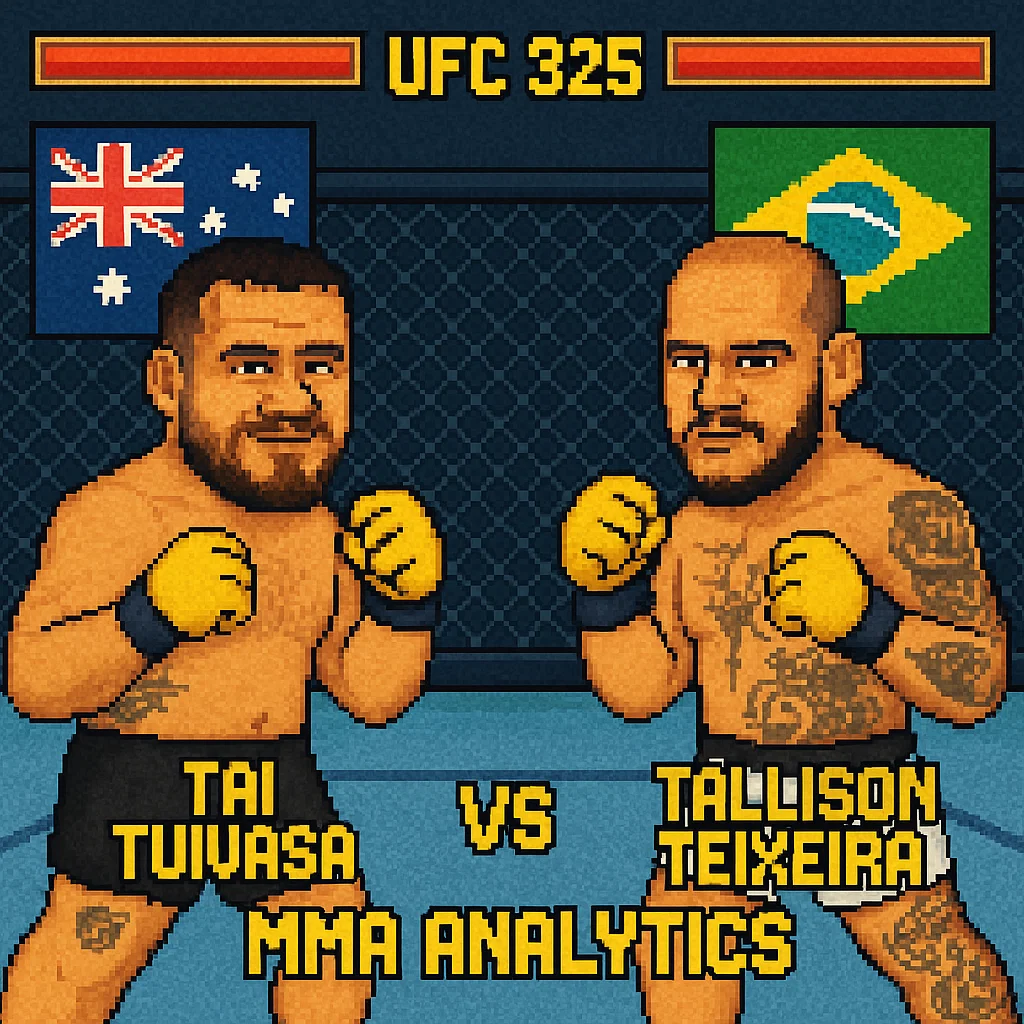
Explore Detailed Fighter Profiles
Click on either the fighter's name or profile image for each fighter to access comprehensive UFC statistics including striking metrics, grappling data, clinch performance, complete fight history, offensive & defensive analytics, and round-by-round breakdowns.
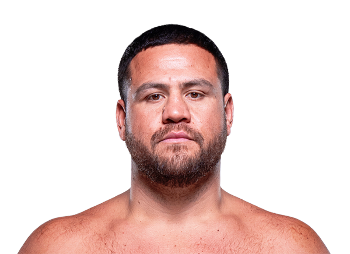
Tai Tuivasa
Fighter Metrics
Victory Methods
Win Round Distribution
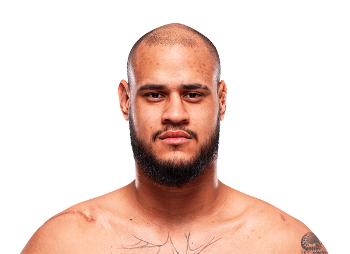
Tallison Teixeira
Fighter Metrics
Victory Methods
Win Round Distribution
📋 Last 5 Fights - Tai Tuivasa
| Date | Opponent | Result | Method |
|---|---|---|---|
| 2024-08-17 | Jairzinho Rozenstruik | L | Decision - Unanimous (R3, 5:00) |
| 2024-03-09 | Marcin Tybura | L | Submission - Rear-Naked Choke (R1, 4:08) |
| 2023-11-11 | Curtis Blaydes | L | TKO - Strikes (R2, 3:44) |
| 2023-06-03 | Sergei Pavlovich | L | TKO - Punches (R1, 0:54) |
| 2022-09-03 | Ciryl Gane | L | TKO - Strikes (R1, 4:23) |
📋 Last 5 Fights - Tallison Teixeira
| Date | Opponent | Result | Method |
|---|---|---|---|
| 2025-07-12 | Derrick Lewis | L | TKO - Punches (R1, 0:35) |
| 2025-02-08 | Justin Tafa | W | TKO - Knee to the Body and Elbow (R1, 0:35) |
| 2024-09-17 | Arthur Lopes | W | KO - Punches (R1, 1:57) |
| 2024-05-03 | Matheus Fonseca | W | KO - Head Kick and Punches (R1, 1:55) |
| 2024-01-27 | Arthur Mamute | W | TKO - Punches (R1, 3:31) |
Technical Analysis
Technical Score
Cardio Score
Overall Rating
📊 Technical Score
Calculated as the average of Striking Composite (39 vs 71) and Grappling Composite (17 vs 6). Balances overall striking effectiveness with grappling ability to measure complete technical skills.
💪 Cardio Score
Based on average fight duration, striking rate per minute, takedown rate, and finish rate. Measures cardiovascular endurance and ability to maintain pace throughout fights.
🎯 Overall Rating
Simple average of Technical Score and Cardio Score. Provides a holistic view of fighter capabilities combining skill level with physical conditioning and fight performance.
Striking Composite
Grappling Composite
📊 Technical Radar Comparison
📊 Metrics Legend
📊 Detailed Statistical Comparison
🥊 Fight Analysis Breakdown
🧩 Tai Tuivasa Key Advantages
Tuivasa's devastating knockout power gives him the ability to end the fight with a single punch at any moment. His 93% finish rate (13 KO/TKO out of 14 wins) demonstrates consistent finishing ability against UFC-level competition. Despite facing elite strikers like Gane, Pavlovich, and Blaydes, Tuivasa has shown he can land fight-ending shots even when losing rounds. His southpaw stance creates awkward angles for orthodox opponents, and his willingness to trade makes every exchange dangerous. The Australian's left hand and body shots carry genuine heavyweight power that can crack any chin.
With 16 UFC fights against elite competition, Tuivasa has faced virtually every scenario possible in the heavyweight division. His experience against top-tier strikers (Gane, Pavlovich), pressure wrestlers (Blaydes), and technical grapplers (Tybura) provides crucial insight into dealing with different styles. Teixeira's limited UFC experience (only 2 fights) means Tuivasa has seen bigger stages, dealt with octagon jitters, and knows how to navigate adversity. The Australian has shown heart in tough situations and knows how to capitalize when opponents make mistakes.
Fighting in Sydney at Qudos Bank Arena provides Tuivasa with massive crowd support and familiar surroundings. The Australian fanbase is known for creating electric atmospheres, which can energize Tuivasa and potentially rattle the less-experienced Teixeira. Home-field advantage often translates to increased confidence, better sleep, no travel fatigue, and judges potentially giving close rounds to the local favorite. For a fighter on a losing streak looking to bounce back, the emotional lift from fighting at home cannot be underestimated.
⚠️ Unfavorable Scenarios
Teixeira's massive 8-inch reach advantage (83" vs 75") and 5-inch height advantage creates a significant problem if Tuivasa can't close distance effectively. The Brazilian's long jabs, teeps, and front kicks can keep Tuivasa at bay while scoring points. If Tuivasa repeatedly eats jabs trying to get inside without success, the accumulated damage and frustration could lead to reckless entries that expose his chin. The large cage provides Teixeira ample space to circle and reset, making it harder for Tuivasa to corner and trap him.
Teixeira's absurd 12.83 SLpM (strikes landed per minute) compared to Tuivasa's 3.77 means the Brazilian throws and lands over 3x the volume when fights stay on the feet. If Teixeira maintains range and peppers Tuivasa with combinations without getting countered, the volume differential will become overwhelming. Tuivasa's limited defensive metrics (44% striking defense, 5.18 strikes absorbed per minute) suggest he struggles dealing with high-volume strikers. The judges will favor Teixeira's activity even if individual shots don't carry Tuivasa's power.
📋 Likely Gameplan
Tuivasa needs to be more patient than usual, walking Teixeira down methodically rather than rushing forward recklessly. Use feints and level changes to make Teixeira hesitant, then close distance when openings appear. Focus on cutting off the cage rather than chasing in straight lines. Work behind the jab (even if Teixeira's is longer) to establish presence and time. Save explosive entries for moments when Teixeira is against the fence or has committed to strikes.
Once inside Teixeira's long range, Tuivasa should work dirty boxing, hooks, and uppercuts where his power advantage shines and reach disadvantage disappears. Target the body heavily to slow Teixeira's movement and output. Clinch work against the fence can neutralize the height/reach differential while wearing on the less-experienced fighter. Make it ugly, physical, and exhausting. Force Teixeira to fight in the pocket where one big shot can end everything regardless of who's ahead on points.
🚀 Tallison Teixeira Key Advantages
Teixeira's massive frame (6'7", 83" reach) compared to Tuivasa (6'2", 75" reach) creates an enormous physical mismatch. The 8-inch reach advantage allows Teixeira to control distance with jabs, teeps, and front kicks that Tuivasa simply cannot match. At 25 years old versus Tuivasa's 32, Teixeira also has youth and speed on his side. The Brazilian can fight at his preferred range where his advantages are maximized while Tuivasa's power is minimized. This size differential is one of the most significant in any heavyweight matchup and fundamentally shapes the fight dynamics.
Teixeira's striking output (12.83 SLpM) is elite even among heavyweights, representing over 3x Tuivasa's volume (3.77 SLpM). Combined with superior accuracy (59% vs 46%), this means Teixeira lands significantly more clean strikes per minute. This volume advantage becomes overwhelming over three rounds, allowing Teixeira to win rounds decisively through activity even if individual strikes lack Tuivasa's power. The Brazilian's kickboxing background emphasizes combinations and output, creating constant offensive pressure that forces opponents to shell up and limits their counter-opportunities.
Teixeira has finished every single one of his 8 professional wins, all in the first round. This perfect finishing record (7 KO/TKO, 1 submission) demonstrates devastating offensive weapons and killer instinct. His UFC debut saw him demolish Justin Tafa in 35 seconds with a brutal body knee and elbow combination. While he suffered his first loss to Derrick Lewis (also in 35 seconds), his offensive firepower remains undeniable. The Brazilian's ability to end fights early means Tuivasa must be perfect defensively, as one mistake could be catastrophic.
⚠️ Unfavorable Scenarios
Teixeira's defensive vulnerabilities were brutally exposed by Derrick Lewis, who knocked him out in 35 seconds. If Tuivasa lands a big shot early, Teixeira's confidence could shatter and his gameplan could unravel. The Brazilian has never been tested beyond 3:31 into a fight, meaning his chin, heart, and ability to recover from adversity remain completely unknown. Getting caught with a Tuivasa bomb would immediately put Teixeira in uncharted territory where experience matters most.
If Tuivasa successfully closes distance and forces inside exchanges, Teixeira's size advantages disappear while his defensive liabilities become magnified. The Brazilian's 8.98 strikes absorbed per minute suggests he gets hit plenty when opponents get inside his long range. Tuivasa's southpaw power in close-quarters exchanges, combined with Teixeira's limited experience dealing with elite pressure, could lead to a quick knockout. The Brazilian has shown willingness to trade rather than clinch and circle, which favors Tuivasa's power punching.
📋 Likely Gameplan
Teixeira should establish his jab early and maintain maximum distance throughout. Use the 30-foot cage to circle and reset whenever Tuivasa pressures. Front kicks, teeps, and long straight punches should dominate early rounds to build confidence and discourage Tuivasa's forward movement. Avoid standing and trading in the pocket where Tuivasa's power is most dangerous. Keep Tuivasa at the end of punches where size advantages are maximized and power is minimized.
Given Teixeira's perfect first-round finishing record and Tuivasa's defensive vulnerabilities (44% striking defense, 5.18 SApM), attacking early makes sense. Come out aggressive with volume, test Tuivasa's chin, and look for the knockout. If it doesn't come quickly, settle into range control and point-fighting. The Brazilian's youth and cardio (though untested long-term) should allow him to maintain high output throughout three rounds while Tuivasa's durability and recent losses suggest he may fade mentally if down on cards.
🎯 Fight Prediction Analysis
Data-driven prediction model based on statistical analysis
📊Detailed Analysis Summary
🏟️Physical Mismatch
The 8-inch reach advantage (83" vs 75") and 5-inch height advantage (6'7" vs 6'2") create a fundamental physical mismatch that heavily shapes this fight. Teixeira can fight at his preferred long range where Tuivasa simply cannot reach him, forcing the Australian to work harder to close distance and expend more energy. The 30-foot cage provides ample space for Teixeira to circle and maintain range, though it also gives Tuivasa room to cut angles. Teixeira's youth (25 vs 32) adds another layer, providing speed and recovery advantages. However, heavyweight fights often nullify size advantages with one punch, and Tuivasa's southpaw power creates genuine knockout threat regardless of physical disparities.
🎯Volume vs Power Dynamic
The striking differential tells a clear story: Teixeira lands 12.83 strikes per minute with 59% accuracy versus Tuivasa's 3.77 SLpM at 46% accuracy. This 3.4x volume advantage means Teixeira wins rounds through sheer activity even if individual strikes lack Tuivasa's power. However, Tuivasa's 93% finish rate (13 KO/TKO in 14 wins) demonstrates that he only needs one clean punch to end the fight. Teixeira's perfect finishing record (100%, 8/8) counters with his own offensive firepower, though all against lower-level competition. The key question: can Tuivasa land his bomb before accumulating too much damage from Teixeira's volume?
🧩Experience vs Youth
Tuivasa's 16 UFC fights against elite competition (Gane, Pavlovich, Blaydes, Tybura, Rozenstruik) provide invaluable experience that Teixeira's 2 UFC fights cannot match. The Australian has seen every scenario, dealt with adversity, and knows how to capitalize on mistakes. Conversely, Teixeira's limited sample size means unknown variables: chin durability, cardio past 90 seconds, ability to adjust mid-fight, and mental fortitude when hurt. Teixeira's 5-loss streak weighs heavily—each defeat chipped away confidence and may have taken cumulative toll on his chin. The hometown crowd in Sydney could provide crucial emotional lift for Tuivasa while potentially rattling the inexperienced Teixeira.
🏁Final Prediction
The most likely outcome is Tallison Teixeira by KO/TKO (54% probability), achieved through overwhelming volume, range control, and capitalizing on Tuivasa's defensive vulnerabilities (44% StrDef, 5.18 SApM). Teixeira's perfect finishing record and massive physical advantages create a clear path to victory. However, Tuivasa's comeback scenario (40% total probability, primarily via KO/TKO at 34%) remains viable through his devastating one-shot power, experience edge, and hometown advantage. The fight likely doesn't reach the judges—both fighters have elite finishing rates and poor defensive metrics, suggesting an early stoppage. Tuivasa needs to survive the early onslaught, close distance, and land his signature left hand. Teixeira needs to maintain range, pile up volume, and avoid getting drawn into pocket exchanges where one mistake could be catastrophic.
💰 Betting Analysis: Model vs Market
Detailed value assessment in the betting market
📊Market Odds
🤖Analytical Model
💎Value Opportunities
MAXIMUM VALUE
Model: 54% | Fair: -117
GOOD VALUE
Model: 34% | Fair: +194
ALIGNED VALUE
Model: 70% | Fair: -233
⚠️Key Market Insights
- • Early finish highly likely – Both fighters have elite finishing rates (93% and 100%) with poor defensive metrics.
- • Size advantage overvalued – Market may overweight Teixeira's physical advantages while undervaluing Tuivasa's power and experience.
- • Heavyweight variance – One punch changes everything regardless of skill/size differentials; both have genuine knockout power.
🎯 Comprehensive Probabilistic Analysis
100 hypothetical fight simulation based on statistical data
🥊Outcome Distribution - Tai Tuivasa
Primary path via one-shot knockout power
Unlikely path requiring distance control
Minimal submission threat in arsenal
⚡Outcome Distribution - Tallison Teixeira
Most likely path via volume and size
Opportunistic submission threat exists
Rare given his perfect finishing record
⏰Fight Timeline Analysis
⚡Early Finish Scenarios (70%)
- • First 90 seconds: Highest variance period where either fighter can end it.
- • Teixeira path: Volume overwhelms Tuivasa's defense, accumulative damage forces stoppage.
- • Tuivasa path: One clean left hand as Teixeira commits forward or gets overconfident.
🎯Distance Decision (7%)
- • Rare outcome: Both fighters have elite finishing rates and poor defense.
- • Scenario: Ultra-cautious fight or gassed fighters unable to finish.
- • Winner: Teixeira via volume if it goes to cards.
🎯 Final Confidence Assessment
Confidence level and uncertainty factors
Confidence Level
Moderate-high confidence; size advantage clear but heavyweight variance remains
✅Supporting Factors
- • Massive physical advantages (8" reach, 5" height)
- • Over 3x striking volume differential (12.83 vs 3.77 SLpM)
- • Perfect finishing record and youth advantage
- • Tuivasa's declining form (5-fight losing streak)
⚠️Risk Factors
- • Heavyweight one-shot KO variance
- • Teixeira's limited UFC experience (2 fights)
- • Defensive vulnerability exposed vs Lewis
- • Tuivasa's hometown advantage in Sydney
🏁Executive Summary
Tallison Teixeira enters as the statistical favorite through overwhelming physical advantages (6'7" height, 83" reach) and elite striking output (12.83 SLpM with 59% accuracy) that should allow him to control distance and pile up volume against Tai Tuivasa's limited defensive metrics (44% StrDef, 5.18 SApM). The Brazilian's perfect professional finishing record (8-0, all in Round 1) combined with youth (25 vs 32) creates a clear technical path to victory. However, Tuivasa's devastating one-shot knockout power (93% finish rate, 13 KO/TKO) means he remains dangerous throughout despite his 5-fight losing streak. The Australian's experience edge (16 UFC fights vs 2) and hometown advantage in Sydney provide comeback equity, while Teixeira's defensive vulnerabilities (exposed by Derrick Lewis's 35-second KO) and unknown cardio/chin durability past 90 seconds create uncertainty variables. The large cage (30ft) initially favors Teixeira's range control but also gives Tuivasa space to cut angles and trap the less-experienced fighter.
Prediction: Teixeira by KO/TKO most likely (54% probability) through accumulative volume and size advantages capitalizing on Tuivasa's declining defensive abilities; Tuivasa's comeback lane (40% total, 34% via KO/TKO) centers on landing one signature left hand before damage accumulates. Early finish highly probable (70% under 1.5 rounds) given both fighters' elite finishing rates and poor defensive metrics—this fight likely doesn't reach the judges. Confidence tempered to 7/10 due to inherent heavyweight variance where one punch changes everything regardless of skill differentials.