

Nikita Krylov vs Modestas Bukauskas
Men's Light Heavyweight Bout • UFC 324: Gaethje vs Pimblett
Saturday, January 24, 2026 • T-Mobile Arena • 30ft Octagon (Large Cage)
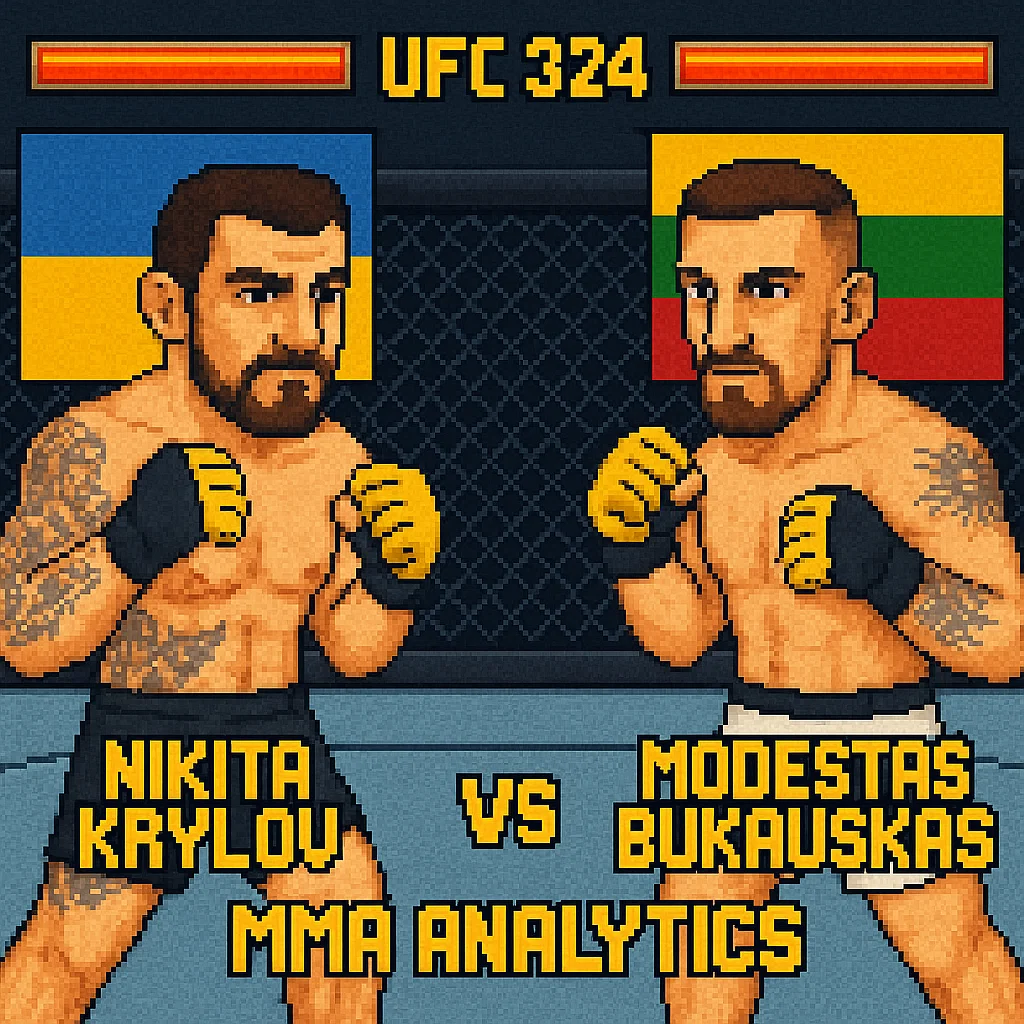
Explore Detailed Fighter Profiles
Click on either the fighter's name or profile image for each fighter to access comprehensive UFC statistics including striking metrics, grappling data, clinch performance, complete fight history, offensive & defensive analytics, and round-by-round breakdowns.
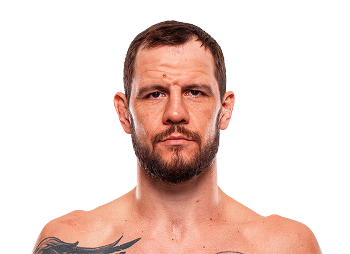
Nikita Krylov
Fighter Metrics
Victory Methods
Win Round Distribution
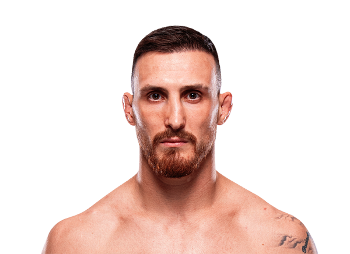
Modestas Bukauskas
Fighter Metrics
Victory Methods
Win Round Distribution
📋 Last 5 Fights - Nikita Krylov
| Date | Opponent | Result | Method |
|---|---|---|---|
| 2024-10-12 | Bogdan Guskov | L | TKO - Punches (R1, 2:32) |
| 2024-06-29 | Dominick Reyes | L | KO - Punch (R1, 1:17) |
| 2023-09-02 | Ryan Spann | W | Submission - Triangle Choke (R1, 3:22) |
| 2023-03-04 | Volkan Oezdemir | W | Decision - Unanimous (R3, 5:00) |
| 2022-06-04 | Alexander Gustafsson | W | TKO - Punches (R1, 0:67) |
📋 Last 5 Fights - Modestas Bukauskas
| Date | Opponent | Result | Method |
|---|---|---|---|
| 2024-09-28 | Paul Craig | W | TKO - Punches (R1, 4:59) |
| 2024-06-01 | Ion Cutelaba | W | Decision - Split (R3, 5:00) |
| 2024-02-17 | Raffael Cerqueira | W | TKO - Punches (R1, 2:38) |
| 2023-10-07 | Marcin Prachnio | W | Submission - RNC (R1, 3:45) |
| 2023-05-06 | Vitor Petrino | L | TKO - Punches (R2, 3:12) |
Technical Analysis
Technical Score
Cardio Score
Overall Rating
📊 Technical Score
Calculated as the average of Striking Composite (64.0 vs 51.0) and Grappling Composite (54.0 vs 40.0). Balances overall striking effectiveness with grappling ability to measure complete technical skills.
💪 Cardio Score
Based on average fight duration, striking rate per minute, takedown rate, and finish rate. Measures cardiovascular endurance and ability to maintain pace throughout fights.
🎯 Overall Rating
Simple average of Technical Score and Cardio Score. Provides a holistic view of fighter capabilities combining skill level with physical conditioning and fight performance.
Striking Composite
Grappling Composite
📊 Technical Radar Comparison
📊 Metrics Legend
📊 Detailed Statistical Comparison
🥊 Fight Analysis Breakdown
🧩 Nikita Krylov Key Advantages
Krylov's 4.32 SLpM at 55% accuracy significantly outpaces Bukauskas's 3.29 at 43% — a meaningful output edge that compounds over three rounds. The Ukrainian lands more strikes while absorbing fewer (2.54 SApM vs 3.96), creating a favorable differential in exchanges that judges consistently reward. This striking efficiency has been a consistent trait throughout his 20 UFC fights against elite competition, and his ability to land clean shots while staying defensively responsible presents challenges for opponents who rely on volume. The 1.03 SLpM differential represents a 31% output advantage that becomes increasingly significant as rounds progress and fighters begin to fatigue. Krylov's higher accuracy rate (55% vs 43%) means not only does he throw more, but a greater percentage of those strikes find their mark, maximizing damage per exchange while minimizing wasted energy. His ability to maintain this efficiency even when applying pressure or defending takedowns demonstrates elite-level technical proficiency that has been refined through years of high-level competition against the division's best.
With 2.2 takedowns per 15 minutes vs Bukauskas's 0.3, Krylov is the only real offensive wrestler in this bout — representing a 7.3x differential in takedown volume that fundamentally alters the fight's strategic landscape. His 1.4 submission attempts per 15 minutes (10.8x higher than Bukauskas's 0.13) and 53% career finish rate via submission (16 of 30 wins) make him an elite finisher on the mat with one of the most dangerous submission games in the light heavyweight division. Triangles, guillotines, rear-naked chokes, and opportunistic armbars are all in his diverse arsenal, making him a threat from virtually any position once the fight hits the mat. While Bukauskas has strong TDD (79%), Krylov's ability to mix takedowns with strikes creates opportunities that pure defensive wrestling can't always stop. His level changes after punching combinations, bodylock entries against the fence, and single-leg finishes from failed kick catches demonstrate a sophisticated grappling game that goes beyond simple takedown attempts. Once on the ground, Krylov's top pressure, ground-and-pound, and constant submission threats force opponents into bad positions where his opportunistic finishing ability takes over. The Ukrainian's ability to chain submission attempts while maintaining control creates a nightmare scenario for opponents who lack his grappling depth.
Krylov has faced a murderer's row at light heavyweight including Alexander Gustafsson, Volkan Oezdemir, Dominick Reyes, Ryan Spann, Magomed Ankalaev, and many other elite fighters. His 20 UFC fights provide invaluable experience in managing high-level chaos, reading opponents, and adapting mid-fight — skills that can only be developed through repeated exposure to the division's best. This deep resume means he's seen virtually every style and situation, giving him pattern recognition advantages against a less-tested opponent like Bukauskas (11 UFC fights). The Ukrainian has experienced every type of adversity: early knockdowns, deep submission attempts, grueling decision battles, and everything in between. This breadth of experience allows him to remain composed under pressure and make in-fight adjustments that less experienced fighters struggle with. His ability to recognize tendencies, exploit openings, and adjust his gameplan based on what's working creates a significant strategic advantage that goes beyond raw physical attributes.
⚠️ Unfavorable Scenarios
Back-to-back first-round KO losses to Reyes and Guskov raise serious questions about Krylov's chin at this stage of his career. Both finishes came when Krylov walked into clean power shots during his aggressive entries. If he hasn't made defensive adjustments, Bukauskas has the tools to replicate this outcome — his straight shots and counter timing are well-suited to punishing predictable entries.
The 30-foot octagon provides ample space for Bukauskas to move and reset, making it significantly harder for Krylov to cut off angles and force the fight to the fence where his grappling advantage is most pronounced. If Krylov chases instead of cutting off the cage, he'll waste energy and expose himself to clean counters. His aggressive style can become a liability when opponents maintain distance effectively, and Bukauskas's footwork is specifically designed to exploit over-commitment. The large cage allows Bukauskas to create reset opportunities after failed takedown attempts, forcing Krylov to restart his pressure and consume valuable energy repeating the same closing distance process. This dynamic becomes increasingly problematic as rounds progress and Krylov's explosive takedown entries become less crisp.
Krylov's chaotic, front-loaded style is designed for early finishes, but his average fight duration of just 6:41 suggests he struggles to maintain the same intensity over extended periods. If Bukauskas survives the early onslaught and forces the fight into later rounds, Krylov's pace typically slows significantly. His 0 Round 3 wins (despite 30 total victories) indicates a clear drop-off as fights progress, making him vulnerable to fighters who can weather the early storm and capitalize on his diminishing output in championship rounds.
📋 Likely Gameplan
Krylov should apply immediate pressure to force exchanges and push Bukauskas towards the fence, but he must do so intelligently. By mixing punching entries with level changes into single legs or bodylocks, he can create takedown opportunities while keeping his opponent guessing about his next move. The key is cutting off the cage efficiently rather than chasing, minimizing exposure to counters. Feinting takedowns to set up strikes and vice versa creates layers of complexity that prevent Bukauskas from settling into a defensive rhythm. Once at the fence, Krylov's bodylock entries and short-range wrestling become significantly more effective, allowing him to chain multiple takedown attempts without having to cover long distances that expose him to counters.
With 20 of his 30 wins coming in Round 1 and his chaotic, front-loaded style, Krylov should prioritize finding the finish early. His best rounds historically are R1 and early R2, where his explosive entries and submission threats are at their most dangerous. Working kicks and straight shots to close distance rather than looping entries will minimize exposure to Bukauskas's counters while creating opportunities for his signature ground-and-pound and submission finishes. The Ukrainian must balance aggression with defensive responsibility — his recent KO losses came when he became too predictable with his entries, so mixing up his approach and not telegraphing takedown attempts is crucial.
Once Krylov secures takedowns, his priority should be establishing dominant positions and creating finishing opportunities. His submission game is diverse enough that he can threaten from multiple positions — triangles from guard, guillotines during takedown transitions, RNCs from back control, and opportunistic chokes during scrambles. His 1.4 submission attempts per 15 minutes demonstrate active submission hunting, not passive control. The key is staying active with ground-and-pound to force Bukauskas to react, creating openings for submission attempts while accumulating damage that can lead to TKO finishes.
🚀 Modestas Bukauskas Key Advantages
Bukauskas's 79% takedown defense is elite for the division and represents his best statistical advantage in this matchup, ranking among the top light heavyweights in defensive wrestling. Combined with the large 30-foot cage and his mobile, switch-stance footwork, he has the tools to keep this fight standing where he's most comfortable. His sprawl-and-brawl style is specifically designed to stuff takedowns and make opponents pay with elbows and knees on the break. The Lithuanian's defensive wrestling is built on strong hips, excellent sprawl mechanics, and an ability to separate and create space when opponents get deep on shots. His switch-stance approach makes him harder to read for takedown entries, as opponents must adjust their approach based on which stance he's in. This high-level TDD, combined with the large cage that provides reset opportunities, creates a formidable barrier that Krylov must overcome to implement his grappling game plan.
Bukauskas is on a 4-fight win streak with 3 finishes including a buzzer-beater TKO of Paul Craig that showcased his finishing ability. His second UFC stint has shown marked improvement in shot selection, composure, and overall fight IQ — the kind of development that transforms a talented fighter into a legitimate contender. He looks like a "late-bloomer" who has stabilized his defense and decision-making through experience and coaching adjustments, while Krylov enters on back-to-back KO losses that raise questions about his durability and defensive adjustments. The confidence differential is real and meaningful: momentum in combat sports is not just psychological but physical — fighters on winning streaks often show improved timing, sharper reactions, and cleaner technique as their confidence builds. This 4-fight run represents the best stretch of Bukauskas's career, and he appears to be peaking at the right time.
With 51% striking defense (better than Krylov's 45%) and a switch-stance style that varies attack angles, Bukauskas has the timing and straight shots to punish Krylov's aggressive entries. Historical data shows Krylov's recent KO losses came when he walked into power — exactly the scenario Bukauskas is equipped to create with his long jab, rear straight, and intercepting knees. The Lithuanian's ability to read level changes and time intercept strikes makes him particularly dangerous against fighters who rely on aggressive entries. His switch-stance approach allows him to attack from different angles, making it harder for opponents to predict his counters and adjust their entries accordingly. This counter-punching ability, combined with his improved defensive awareness, creates a dangerous combination for opponents who overextend or become predictable.
Bukauskas's average fight duration of 9:36 compared to Krylov's 6:41 suggests better cardio and the ability to maintain pace over extended periods. The Lithuanian has demonstrated his capacity to fight effectively in later rounds, including a Round 3 win and a Round 4 finish in his career, showing he can maintain technique and output when Krylov typically begins to fade. This cardio advantage becomes increasingly significant if the fight progresses past the early rounds, where Krylov's explosive, front-loaded style tends to diminish. Bukauskas's ability to stay fresh and maintain his defensive awareness and counter-punching ability as fights progress gives him a clear path to victory in extended battles.
⚠️ Unfavorable Scenarios
If taken down early, Bukauskas faces a significant mismatch. Krylov's submission game is statistically elite (1.4 sub attempts per 15 min vs 0.13), and Bukauskas has almost no proven offense off his back. His very low offensive grappling numbers (0.3 TD15) mean he has no way to threaten reversals or create scrambles that would allow him to get back to his feet.
Despite better striking defense on paper, Bukauskas absorbs 3.96 significant strikes per minute — a high rate against an opponent who throws more and more accurately. Krylov's chaotic pace can create scramble-heavy situations that override clean technique. Historical finishes against Bukauskas (Petrino, Rountree) came in these chaos scenarios where his defense broke down.
📋 Likely Gameplan
Bukauskas should maximize the large cage with lateral movement, circling off the fence, and forcing Krylov to reset constantly. Staying behind the jab and long rear straight while punishing entries with intercepting shots and counters is his optimal strategy. Use his elite TDD (79%) to stuff first shots and make Krylov pay for failed takedowns with elbows and knees on the break. The key is maintaining distance, using the entire 30-foot octagon to his advantage, and never allowing Krylov to settle into a rhythm or establish consistent pressure. By forcing Krylov to cover more ground and reset after each failed attempt, Bukauskas can drain the Ukrainian's energy reserves while landing clean counters that accumulate damage.
Keep engagements short and clean — land 2-3 strike combinations and exit immediately, avoiding extended clinches where Krylov excels. This hit-and-run approach prevents Krylov from establishing control or creating takedown opportunities during prolonged exchanges. As the fight moves into late R2/R3, increase volume; Krylov's chaotic style can slow if he doesn't find the finish early. The longer this fight stays standing in open space, the better Bukauskas's chances become, as his cardio advantage and counter-punching ability become increasingly effective as Krylov's pace diminishes.
Bukauskas's best chance for a finish lies in the early rounds when Krylov is most aggressive and potentially overextending. By staying defensively responsible while remaining ready to counter, Bukauskas can capitalize on Krylov's tendency to walk into power shots during his aggressive entries. The Lithuanian's improved shot selection and timing in his second UFC stint make him particularly dangerous in these scenarios, and his ability to land clean counters early could replicate the outcomes of Krylov's recent losses to Reyes and Guskov.
🎯 Fight Prediction Analysis
Data-driven prediction model based on statistical analysis
📊Detailed Analysis Summary
🏟️Cage Dynamics
The 30-foot octagon initially favors Bukauskas's mobile, switch-stance style and strong TDD (79%), creating a dynamic where space becomes a weapon for the Lithuanian. The large cage provides ample room for him to circle, reset after defensive sequences, and maintain his preferred striking distance while threatening counters from multiple angles. This extra space makes it significantly harder for Krylov to cut off angles and trap Bukauskas against the fence where his grappling advantage is most pronounced. However, if Krylov can effectively cut off angles and force exchanges at the fence through intelligent pressure, his grappling advantage becomes exponentially more dangerous. The cage size creates a tactical chess match where control of space determines control of the fight: Bukauskas wants open space to utilize his movement and counter-punching, while Krylov wants fence pressure to limit movement and create takedown opportunities. The fighter who can impose their preferred range and location will likely determine the outcome, making footwork, cage cutting, and spatial awareness critical factors in this matchup.
🎯Technical Breakdown
The statistical analysis reveals two contrasting profiles that create an intriguing stylistic clash. Krylov is the more complete finisher historically, boasting superior offensive metrics across the board: better grappling composite (54 vs 40), significantly higher striking output (4.32 SLpM vs 3.29), stronger submission stats (1.4 attempts per 15min vs 0.13), and a 53% career finish rate via submission that ranks among the division's elite. However, Bukauskas has developed superior defensive metrics that could prove decisive: better striking defense (51% vs 45%), elite takedown defense (79% vs 53%), and an improved ability to avoid damage while maintaining offensive output. The key differential that shifts this matchup is Krylov's back-to-back first-round KO losses versus Bukauskas's 4-fight winning streak with 3 finishes. Recent form and durability trends heavily favor the Lithuanian, as Krylov's chin has been exposed in his last two outings, while Bukauskas is surging with momentum and confidence. This creates a fascinating dynamic where historical stats favor Krylov, but current trajectory and durability concerns favor Bukauskas.
🧩Key Battle Areas
Three critical battle areas will determine the outcome of this light heavyweight clash, each representing a distinct strategic dimension where the fighters have contrasting strengths. First, the takedown battle: Bukauskas's elite 79% TDD versus Krylov's persistent offensive wrestling (2.2 TD15). Bukauskas's sprawl-and-brawl style and strong hips suggest he can stuff initial attempts, but Krylov's ability to chain multiple takedown attempts and his submission threat make any successful ground time extremely dangerous for the Lithuanian. Second, counter timing versus aggressive entries: Krylov's tendency to overextend during entries has cost him in his last two fights, while Bukauskas's improved timing and straight-shot counters are specifically designed to exploit these vulnerabilities. The third critical factor is early-round survival versus late-round durability. Krylov's best rounds are R1 and early R2 (20 of 30 wins in Round 1), while Bukauskas has shown he can maintain effectiveness into later rounds. The fight's outcome hinges on whether Bukauskas can exploit Krylov's recent durability concerns and defensive lapses before the Ukrainian can establish his grappling game and secure takedowns that lead to submission opportunities. This creates a race against time dynamic where each fighter is operating on a different timeline for success.
🏁Final Prediction
The most likely outcome is Modestas Bukauskas by KO/TKO (35% probability), achieved through clean counters on Krylov's aggressive entries or accumulated damage as the Ukrainian's defense breaks down over multiple exchanges. This path is supported by Krylov's recent KO losses, Bukauskas's improved counter-punching timing, and the Lithuanian's ability to land clean shots while avoiding extended exchanges. Bukauskas's decision path (17%) becomes viable if he maintains distance in the large cage, utilizes his movement effectively, and consistently stuffs takedown attempts while landing enough clean strikes to win rounds on the scorecards. Krylov's best path to victory is via Submission (22%), requiring him to secure takedowns and work his elite ground game — a scenario that becomes increasingly difficult against Bukauskas's 79% TDD and the large cage, but remains dangerous if he can chain wrestling sequences and force the fight to the mat. Krylov's KO/TKO path (15%) is dampened by recent durability concerns and Bukauskas's improved defensive awareness, making it less likely than his submission route. His decision path (8%) is the least probable given his front-loaded style and tendency to find finishes early rather than drag out competitive battles. This fight is genuinely competitive with a slight edge to the surging Bukauskas, who enters with momentum, improved technique, and the stylistic tools to exploit Krylov's recent defensive vulnerabilities.
💰 Betting Analysis: Model vs Market
Detailed value assessment in the betting market
📊Market Odds
🤖Analytical Model
💎Value Opportunities
MAXIMUM VALUE
Model: 35% | Fair: +186
GOOD VALUE
Model: 22% | Fair: +355
SLIGHT VALUE
Model: 57% | Fair: -133
⚠️Key Market Discrepancies
- • Durability concerns undervalued — Krylov's back-to-back KO losses may not be fully priced in.
- • Momentum differential — 4-fight win streak vs 2-fight loss streak affects confidence.
- • Big cage dynamics — Favors Bukauskas's mobility and counter game.
🎯 Comprehensive Probabilistic Analysis
100 hypothetical fight simulation based on statistical data
🏆Outcome Distribution - Nikita Krylov
Primary path via ground control and chokes
Still dangerous but durability concerns lower equity
Less common given finish-heavy profile
💥Outcome Distribution - Modestas Bukauskas
Best lane via counters on aggressive entries
Large cage and TDD enable distance control
Very low, reserved for rare opportunistic scenarios
⏰Fight Timeline Analysis
⚡High Danger Window - Modestas Bukauskas
- • First 5 minutes: Highest counter KO equity vs Krylov's entries.
- • After failed TD attempts: Krylov exposed during reset windows.
- • Late R1: Accumulated damage can break Krylov's defense.
🎯Submission Window - Nikita Krylov
- • After successful TD: Ground control creates sub opportunities.
- • Mid-R2: Bukauskas may tire from TDD exertion.
- • Scrambles: Krylov's opportunistic triangles and chokes.
🎯 Final Confidence Assessment
Confidence level and uncertainty factors
Confidence Level
Moderate confidence — stylistic convergence but volatile variables
✅Supporting Factors (Bukauskas)
- • 4-fight win streak with 3 finishes
- • Elite 79% takedown defense
- • Better striking defense (51% vs 45%)
- • Counter timing matches Krylov's entries
⚠️Risk Factors
- • Krylov's historical stats still favor him
- • Submission threat is significant (1.4/15min)
- • Experience edge: 20 UFC fights vs 11
- • One successful TD changes the fight
🏁Executive Summary
This is a genuinely competitive light heavyweight bout between two fighters at distinctly different career points, creating a fascinating clash between historical achievement and current trajectory. Nikita Krylov brings superior historical metrics that reflect years of elite competition: higher striking volume (4.32 vs 3.29 SLpM), better accuracy (55% vs 43%), an elite submission game (1.4 attempts per 15min, 53% finish rate via submission), and the deep experience that comes with 20 UFC fights against the division's best. However, he enters on a concerning back-to-back first-round KO loss streak that raises serious durability questions and suggests potential defensive vulnerabilities that opponents can exploit. Modestas Bukauskas presents a contrasting profile: less impressive raw statistical numbers historically, but surging with a 4-fight win streak featuring 3 finishes, elite takedown defense (79%), improved shot selection and fight IQ in his second UFC stint, and the counter-punching timing specifically designed to exploit Krylov's aggressive, sometimes predictable entries. This creates a compelling narrative where historical data favors Krylov, but recent form, momentum, and durability trends point toward Bukauskas.
The stylistic matchup is equally compelling. Krylov's chaotic, front-loaded style is designed for early finishes through explosive takedowns and opportunistic submissions, but his 6:41 average fight duration and 0 Round 3 wins suggest significant pace management challenges as fights progress. Bukauskas's mobile, switch-stance approach combined with elite TDD and improved defensive awareness creates a perfect counter to Krylov's aggressive entries, while the large 30-foot cage provides the Lithuanian with the space needed to utilize his movement and avoid being trapped against the fence. The fight essentially becomes a battle for control of location: Bukauskas wants open space to counter-punch and move, while Krylov wants fence pressure to limit movement and create takedown opportunities. The fighter who can impose their preferred range and location will likely control the fight's outcome.
Prediction: We lean Bukauskas as a slight favorite (55-45) primarily due to recent form and durability trends that outweigh Krylov's historical statistical advantages. The Lithuanian's most likely path to victory is KO/TKO (35%) via clean counters on Krylov's aggressive entries, replicating the scenarios that led to the Ukrainian's recent losses against Reyes and Guskov. His decision path (17%) becomes viable if he can maintain distance effectively in the large cage and consistently stuff takedowns while landing enough clean strikes to win rounds. Krylov's best path to victory is via submission (22%), requiring him to overcome Bukauskas's elite TDD and secure takedowns where his ground game becomes a significant advantage. His KO/TKO path (15%) is dampened by recent durability concerns and Bukauskas's improved defensive awareness. The fight is expected to end inside the distance (75%) with high probability in the first two rounds (57% Under 1.5), reflecting both fighters' finish-heavy profiles and the explosive nature of this matchup. Ultimately, this bout represents a compelling intersection of experience versus momentum, offensive firepower versus defensive improvement, and historical achievement versus current trajectory, making it one of the most intriguing light heavyweight matchups on the card.